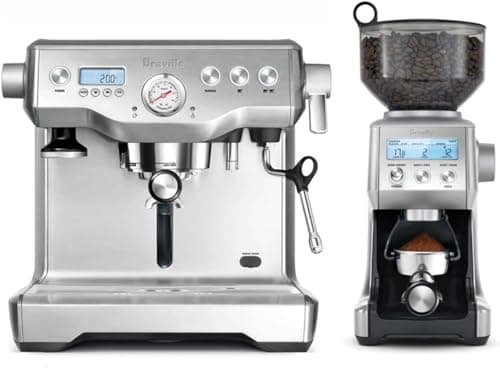
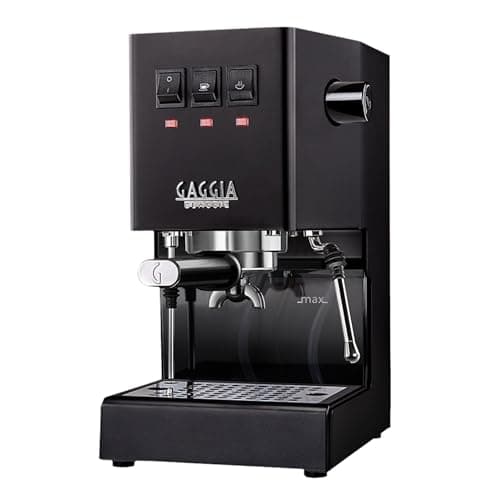
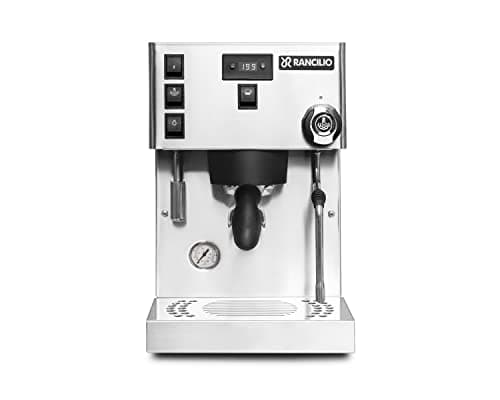
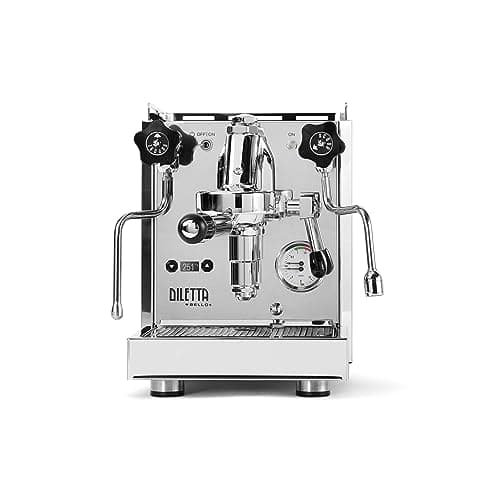
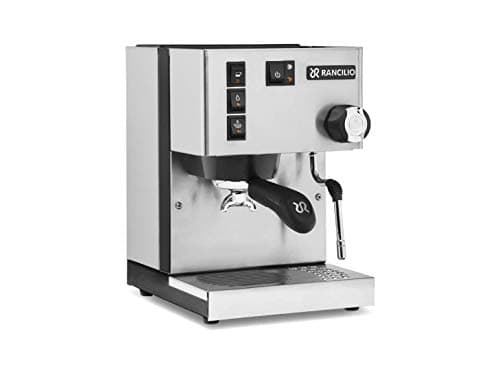
Our pick is the Rancilio Silvia— a commercial chromed-brass group and a genuine 58mm portafilter in a home-sized stainless body, for someone who wants to learn a machine and keep it for a decade. The Breville Dual Boiler is the one to buy if you want that same 58mm standard with a brew temperature you set yourself. And the budget pick is the Gaggia Classic Evo Pro: the cheapest machine on this site with a real 58mm commercial group, which is the whole reason it has outlasted every fashion in home espresso.
Before the picks, why a number stamped on a basket is worth shopping on at all.
58mm is the commercial standard, and standards have ecosystems.Cafe machines use a 58mm group, so that is the diameter the aftermarket tools for. Precision baskets, competition-geometry baskets, calibrated tampers, puck screens, magnetic dosing funnels, distribution wedges, bottomless portafilters with walnut handles — all of it exists at 58mm first, in the most choices, at the most price points. Our own 58mm portafilter accessories page is longer than the 54mm and 51mm equivalents for exactly that reason, and it is not because we prefer the size.
What the diameter does to the puck.A 58mm basket spreads the same dose over a wider bed, so the puck is shallower. All else equal that is a slightly more forgiving shot: water has less depth of coffee to travel through, and small errors in level have less room to turn into a channel. The effect is modest and it is not why you buy 58mm — the ecosystem is — but it is real, and it is why the dose range on a 58mm basket (typically 18–22 g) is wider than on a 51mm one. Portafilter sizes explained is the full version of this argument, and portafilter size by brand is the lookup table if you already own a machine and are not sure what you have.
The 58mm tax is real, and it is the reason this list is short. A 58mm group is bigger, heavier and usually brass, which costs money and takes longer to heat. Every machine on this page except the Gaggia costs four figures, and the cheapest of them needs a separate grinder on top. If your budget will not stretch, that is not a problem to engineer around: a 54mm Breville with a good grinder makes better espresso than a 58mm machine fed by a bad one. The machines with a portafilter page covers the smaller sizes honestly.
How we ranked. The portafilter is a given on every pick here, so the ranking is about the group behind it: thermal mass and stability, whether the temperature is controlled or surfed, whether you can brew and steam at once, and how serviceable the machine is in five years. Price is the tiebreak, not the criterion. If temperature control is the spec you actually care about, read best PID espresso machines alongside this.
What 58mm actually buys you, in order
First, choice. Every basket geometry worth having — ridgeless, high-extraction, competition nanotech, 18 g, 20 g, 22 g — exists at 58mm, and most of the good ones exist only at 58mm. Second, price competition: because the diameter is a commercial standard, there are a dozen brands making each tool, which is why a 58mm precision basket costs less than a 54mm one from the same maker. Third, resale and repair: parts for a 58mm group are a commodity. What 58mm does not buy you is a better shot by itself. A Breville 54mm machine with a proper grinder will beat a 58mm machine with a bad one every morning of the week.
58mm, 58.5mm and 58.35mm are not typos
Accessory listings use all three numbers and they describe real differences in fit tolerance, not marketing. A “58.5mm” tamper is sized to leave almost no gap at the basket wall on a nominal 58mm basket; a 58mm tamper leaves a little more. Neither is wrong, and which one you want depends on your basket rather than your machine. Puck screens are the same story. The 58mm accessories page lists the actual figure for every part we rank, and best precision baskets goes through basket geometry properly.
The grinder is not optional on any of these
Four of the five machines here ship without a grinder, and all five take 18–22 g doses, which means your grinder has to deliver a repeatable dose at an espresso-fine setting. That is the single biggest line in the budget after the machine. Best espresso grinders under $300 is where most 58mm owners should start, and best high-end espresso grinders is the tier that matches the Silvia Pro X and the Bello+.
Bottomless portafilters are the reason people love this size
A bottomless (naked) portafilter lets you watch the underside of the puck while the shot runs, which is the fastest diagnostic for channeling there is. They exist for every diameter, but the 58mm versions are cheapest, best made and most widely stocked — walnut handles, titanium coatings, matched 18 g baskets included. If you intend to actually improve, that single accessory plus a WDT tool will teach you more than a machine upgrade. Best bottomless portafilters has the picks, and bottomless vs spouted portafilter is the argument for and against.
If this page is out of budget
Be honest about the number rather than stretching for the standard. The best espresso machines under $500 and under $300 pages cover 54mm and 51mm machines that make genuinely good espresso, and the 54mm accessories page shows that the Breville ecosystem is no longer thin. Come to 58mm when you want the ecosystem, not because a bigger number sounds better.
How we picked
We did not lab-test this gear
Everyone in this category says they tested twenty machines. We have not pulled shots on every product here, and we say so. What we did instead: compiled the published specifications, cross-checked the manufacturer manuals, computed the running cost (wattage to energy, grams-per-shot to cost-per-cup), weighed aggregated owner reports, and scored each product against a published rubric. The scores are judgments from documented research — not measurements we took, because we do not have a test lab and we will not pretend we do. Where hands-on time would tell you more than a spec sheet, we flag it. Where a number came from someone else's work, we name them in Sources.