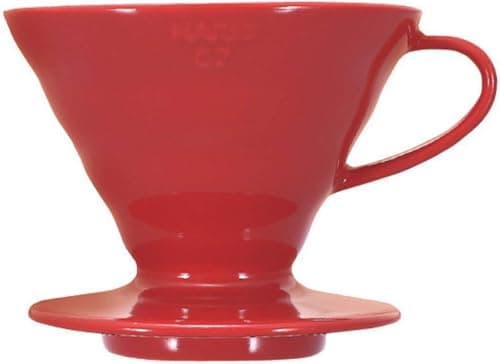
Pour-over is the simplest coffee you can make and the easiest to make badly. You fold a paper filter into a dripper, add ground coffee, and pour hot water over it in stages by hand — the water passes once through the bed and drains into the cup below. Because paper traps the oils and fine particles a metal filter lets through, the result is a clean, bright, articulate cup that tastes of the specific coffee rather than of coffee in general. Everything you taste comes from three things you control: the grind, the water, and the pour.
It is for the person who wants to taste what a good roaster actually did — the fruit, the florals, the acidity a French press mutes under body and sediment. It rewards attention and single-origin beans, and it asks for a few minutes and a steady hand each morning. If that sounds like a chore rather than a ritual, a batch machine that brews while you shower is the honest answer, and our drip roundup covers it. If you love the ceremony but want more body and less fuss, read French press vs pour-over before you choose a side.
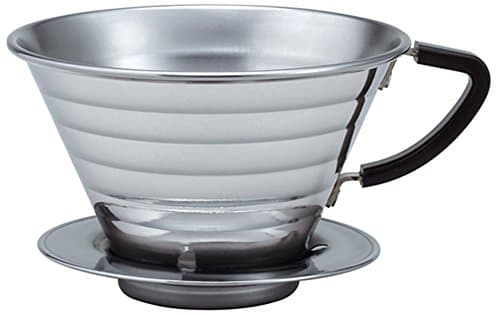
Here is the part the marketing skips: the brewer matters less than what you do with it. A ten-dollar plastic cone and a pricey steel one make nearly the same cup if the grind, the water temperature and the pour are right — and the best dripper in the world cannot rescue a blade-ground, unevenly poured brew. Put your money into a burr grinder that grinds evenly and a kettle you can pour slowly and precisely, and the dripper becomes a matter of taste. The one real choice between drippers is shape: a cone like the Hario V60 gives a skilled pourer the brightest, most articulate cup but punishes a rushed pour, while a flat-bottom like the Kalita Wave spreads the water and forgives an average one. Pick the forgiveness you need, not the logo.
How we picked
Every brewer here is a real, currently-purchasable manual pour-over dripper you can order in the US today. We did not lab-test them — the honest thing to say is that we read the manufacturers' own product pages and aggregated owner reports, and our methodology page spells out exactly what that means and where the scores come from. We ranked on five things, in this order.
- Cup quality ceiling. With a good grind and pour, how clean, bright and articulate can this dripper get? A cone driven well tops out higher than a forgiving wedge, and we say so rather than pretending every brewer is equal.
- Forgiveness.The flip side. How close does an average, slightly-rushed pour land to the ideal? This is the single biggest reason a beginner's cup tastes bitter or sour, and it is why a flat-bottom can be the smarter buy than a "better" cone.
- Consistency. Cup to cup, day to day, does it hold temperature and flow rate? Ceramic and double-wall steel hold heat; thin metal and plastic shed it and want a preheat.
- Filters and what they cost you. A dripper that takes common Melitta filters is cheaper to live with than one locked to a proprietary shape you have to reorder. We treat that as part of the price.
- Build and value. What it is made of, whether it survives a drop or a trip, and what you actually get for the money.
Cone vs flat-bottom drippers
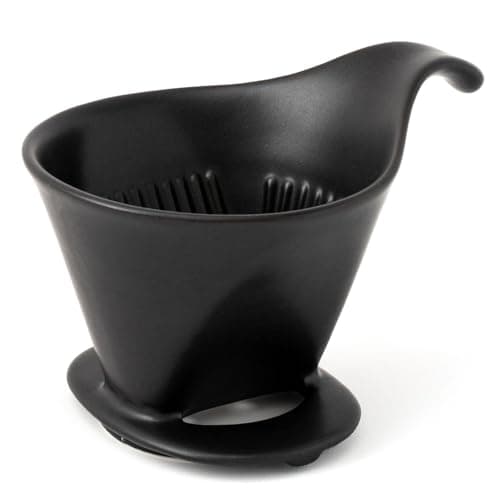
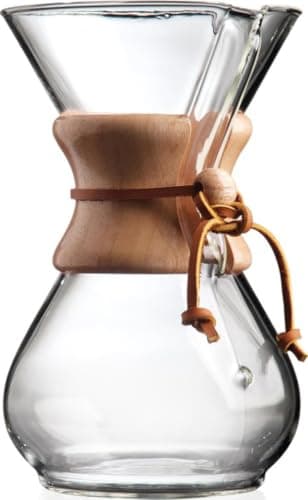
This is the only structural choice that matters, and it is a genuine trade-off, not a right answer. A cone — the Hario V60 in ceramic or plastic, and the Chemex — funnels all the water toward a single point, so the flow is driven almost entirely by your pour. Pour slowly and evenly and you get the brightest, most separated, most articulate cup on this page. Pour carelessly and you channel the water, extract unevenly, and taste it. A flat-bottom— the Kalita Wave and the Fellow Stagg — spreads the coffee across a level bed and meters the flow through small holes, so the water contacts the grounds more evenly no matter how good your pour is. It gives up a little of the cone's top-end clarity in exchange for landing an average pour much closer to right. If you already pour well, buy the cone. If you are learning, or you just want to stop thinking about it, buy the flat-bottom. The Bee House wedge sits between the two, closer to the forgiving end.
The three things that matter more than the brewer
Spend here before you spend on the dripper. Grind is first and it is not close: an even, burr-ground medium grind is the difference between a clean cup and a bitter-and-sour mess, because a blade grinder produces dust and boulders that over- and under-extract in the same brew. A burr grinder for drip and pour-over does more for your cup than any upgrade between these six drippers, and a hand grinder gets you there for less if you do not mind the arm. The kettle is second: a gooseneck pours a slow, aimed, controllable stream, which on a cone is most of the technique. Filters are third and cheapest — use the shape your dripper wants, rinse the paper with hot water first to kill the papery taste and preheat the brewer, and store them somewhere they will not pick up odors. Get those three right and, as we said up top, the dripper becomes a matter of feel. Get them wrong and the best brewer here cannot save you. Fresh beans matter too — our bean guide is written for espresso, but the freshness rules are identical for pour-over.
What we would skip
Gimmicked single-cup brewers at a premium. A beautifully insulated dripper that makes one small cup and takes proprietary filters is a lovely object, but it does not make a better cup than a cheap cone with a good pour — you are buying materials and polish, not flavor. Proprietary-filter lock-in you did not mean to sign up for. Every Hario, Kalita, Chemex and Fellow here needs its own filter shape; the Bee House taking common Melitta papers is a real, underrated convenience, so weigh it. And the whole idea that a pricier dripper fixes a bad grind. It does not. If your pour-over tastes bad, the answer is almost never a new brewer — it is a burr grinder, a slower pour, or water at the right temperature. Skip the upgrade and fix the input.
Which pour-over fits you
- Want the best cup and willing to learn the pour? Hario V60 Ceramic 02 — the reference cone.
- Keep making bitter, patchy pour-over? Kalita Wave 185 — the flat bottom forgives your pour.
- Total beginner who wants cheap, everywhere filters? Bee House ceramic — forgiving flow, common Melitta papers.
- Brewing for a table, or want a carafe you serve from? Chemex 6-Cup — cleanest cup, up to six of them.
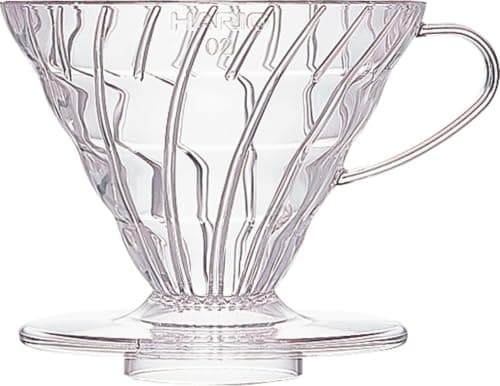
- On a budget, or brewing on the road? Hario V60 Plastic 02 — the same cone, shatterproof and cheap.
- Want one perfectly insulated single cup and price is no object? Fellow Stagg [X].
Whichever you pick, finish the kit properly: a burr grinder, a gooseneck kettle and fresh beans do more than any two drippers here combined. And if the ceremony turns out not to be for you, there is no shame in a batch drip machine or the deeper, heavier cup of a French press — different brews for different mornings.
![Fellow Fellow Stagg [X] Pour-Over Set](/_next/image?url=https%3A%2F%2Fm.media-amazon.com%2Fimages%2FI%2F31hONlkSnML._SL500_.jpg&w=3840&q=75)