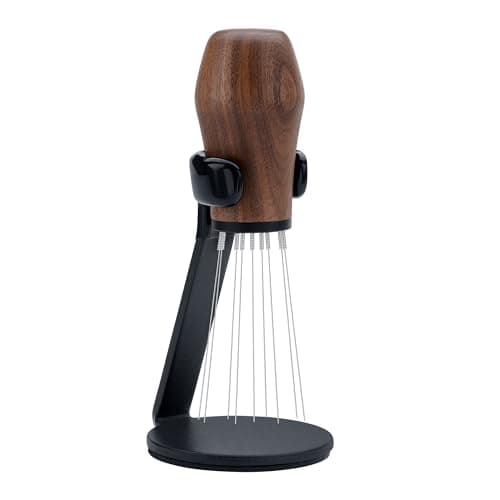
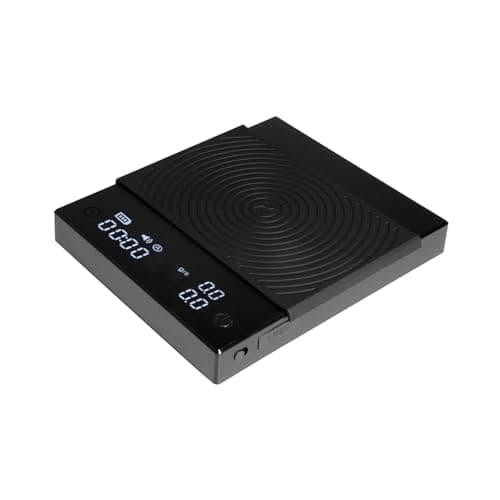
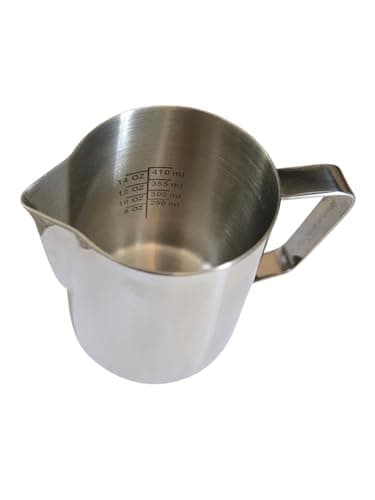
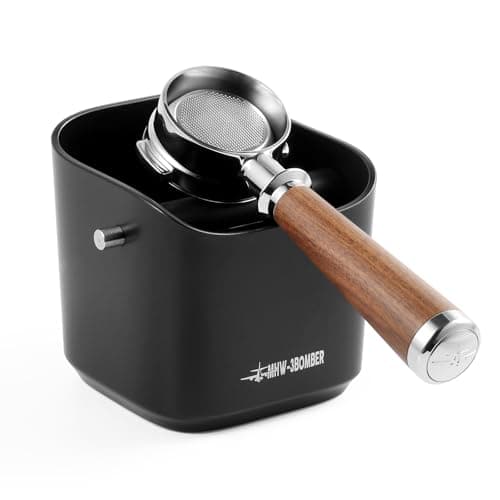
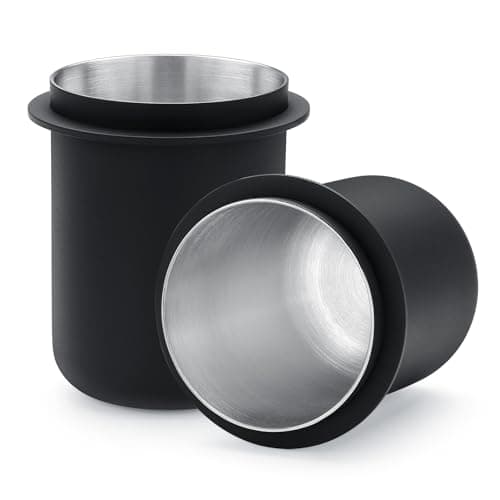
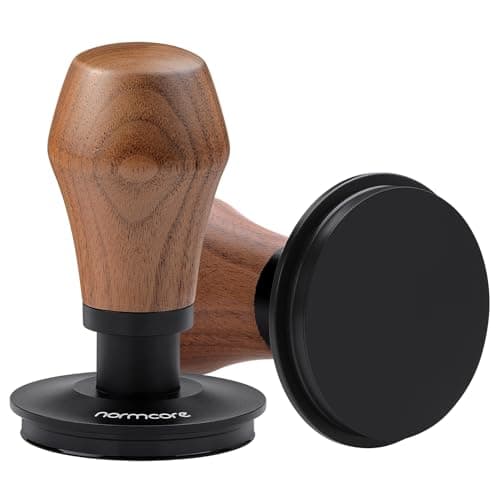
Once you have the machine and the grinder, a small pile of accessories decides whether your espresso is a lucky accident or a recipe you can repeat every morning. The good news is that the whole kit costs a fraction of the machine, and the two items that matter most — a proper tamper and a distribution tool — are also two of the cheapest. The one rule that runs through this entire list: buy the pieces that touch the coffee in the size that matches your basket, because a tamper or dosing cup in the wrong diameter is worse than useless.
We have ranked these six from most to least essential, so if the budget is tight you can buy from the top down and stop wherever you like. A calibrated tamper and a WDT tool are the non-negotiables; a scale with a timer is the upgrade that turns guesswork into a repeatable shot recipe; the pitcher, knock box and dosing cup are quality-of-life extras. None of it will fix a bad grind, though — if you have not sorted that yet, the grinder matters more than everything on this page combined.
The one rule: match every tool to your basket size
Before you buy anything that touches the coffee, find out the diameter of your machine's basket. 58mm is the prosumer standard and has by far the most accessories — it is what a Gaggia, a Rancilio or most 58mm machines use. 54mm is Breville, and a Breville-specific tamper is one of the first upgrades those owners make because the stock plastic tamper is poor. 51mmis common on many De'Longhi and other entry machines. A tamper or dosing cup in the wrong size leaves a ring of un-compressed coffee around the edge of the basket, and water races through that gap instead of the puck — the opposite of what you are trying to do. If you are unsure which size you have, our best tampers guide walks through how to check and lists picks for each size.
Buy them in this order
If you cannot buy the whole kit at once, this is the order that gets you the most improvement per dollar. First the tamper, because a level, evenly compressed puck is the foundation of every shot. Second the WDT distribution tool — for a few dollars it fixes channeling, which is the number-one cause of a sour, spraying, disappointing home shot. Third a scale with a timer, so you can nail a repeatable ratio and stop guessing; combined with the right grind size, a scale is what makes yesterday's good shot happen again today. The pitcher, knock box and dosing cup come after that — genuinely useful, but they clean up your process rather than change the cup.
What you do not need yet
Plenty of accessories look tempting and add little for a beginner. Bottomless portafilters are a fantastic diagnostic tool, but they are more of a second-month purchase once you can already pull a decent shot. Puck screens, dosing funnels, needle-thin leveling tools and fancy tamping mats are all nice, none are essential. Spend on the tamper, the WDT tool and the scale first, then a good machine and a setup that matches it, and add the rest only when a specific problem tells you to. A modest, correct kit beats a drawer full of gadgets every time.
Buying the machine at the same time?
This kit assumes you already have a machine and a grinder. If you are starting completely from zero on a fixed budget, start with the best espresso setup under $500 instead — it allocates the whole budget across machine, grinder and the accessories here, in the order that actually improves the shot.
How we picked
We did not lab-test this gear
Everyone in this category says they tested twenty machines. We have not pulled shots on every product here, and we say so. What we did instead: compiled the published specifications, cross-checked the manufacturer manuals, computed the running cost (wattage to energy, grams-per-shot to cost-per-cup), weighed aggregated owner reports, and scored each product against a published rubric. The scores are judgments from documented research — not measurements we took, because we do not have a test lab and we will not pretend we do. Where hands-on time would tell you more than a spec sheet, we flag it. Where a number came from someone else's work, we name them in Sources.