Machines
Home espresso machines, chosen on the specs that matter
Beginner to prosumer, manual lever to bean-to-cup — ranked on the specs that decide shot quality, with live prices and honest cons on every pick.
An espresso machine is the one purchase in home coffee where it is easiest to overspend and underthink. The name of this site is a hint about where the money actually goes: a portafilter is the handle-and-basket you lock into the group head, and everything that matters in an espresso happens in the few seconds water is forced through the puck inside it — pressure, temperature stability, and how evenly the water saturates the coffee. A machine that holds a steady brew temperature and delivers a real nine bars will make better espresso than one twice the price that does neither. So we rank on the specs that govern those things, not on the size of the water tank or the number of buttons.
The category divides into four honest groups. Entry pump machines (De'Longhi Stilosa, Dedica) get you pulling shots for under $250 and are a genuinely good place to start if you already own a grinder. The enthusiast tier — the Breville Bambino, the Gaggia Classic Evo Pro — is where temperature control and steam power get serious, and it is the sweet spot for most people who want to make cafe-quality drinks at home. Manual lever machines (the Flair) trade convenience for control and a beautiful ritual, with no electricity in the brew path at all. And super-automatic bean-to-cup machines (De'Longhi Magnifica) hide the whole process behind one button, which is the right answer for a household that wants a latte in ninety seconds and does not want to learn to dial in a grinder.
Here is the thing every honest guide should tell you and most do not: a $300 machine and a $150 grinder will beat a $600 machine and a box grinder, every time. Espresso is uniquely sensitive to grind consistency, and a machine cannot fix coffee that was ground unevenly. If your budget is fixed, spend less on the machine than you were planning to and put the difference into the grinder. That is not a throwaway line — it is the single most useful piece of buying advice in this whole category, and it is why every machine roundup here links straight across to the grinders hub.
Where price genuinely buys you something on the machine itself: a faster, more stable heat-up (the Bambino is at brew temperature in seconds); a real steam wand with enough power to texture milk properly for latte art; a PID or thermocoil that holds temperature shot to shot; and build quality that survives daily use for years. Where it mostly buys you nothing: a pressurized 'dual wall' basket that fakes crema, a pressure gauge you will glance at twice, and marketing words like 'barista' and 'professional' printed on a plastic body. Start with our beginner roundup if this is your first machine, the under-$200 roundup if your budget is genuinely tight, the under-$500 roundup if you have a budget ceiling, the under-$1,000 roundup if you can stretch to a machine with the grinder built in, the manual-machine roundup if you want a hand-pulled lever or a portable maker with no pump at all, or the Breville vs De'Longhi comparison if you have narrowed it to the two brands everyone actually cross-shops. And if you have zeroed in on one machine, our Breville Bambino review and our Barista Express vs Barista Pro comparison settle the two questions we are asked most. When you are cross-shopping two specific machines, the Breville Bambino vs Bambino Plus and Breville Bambino vs Gaggia Classic comparisons and the Gaggia Classic Evo Pro review settle the match-ups people ask about most. Two more resolve the step-up decision: our Rancilio Silvia vs Gaggia Classic comparison and our Breville Barista Express review. And for hands-off milk drinks, our De'Longhi Magnifica Evo review covers the best-selling bean-to-cup. We also review the Breville Barista Pro and the touchscreen Barista Touch, Rancilio Silvia, Philips 3300 LatteGo and De'Longhi La Specialista Arte Evo, and the portable Wacaco Nanopresso; and we settle the Barista Express vs Bambino and semi-automatic vs super-automatic questions. Also here: the best dual boiler espresso machines for prosumer setups, the best portable espresso makers for travel and the office, a De'Longhi Stilosa review for the tightest budgets, and head-to-heads on Barista Express vs Gaggia Classic, Rancilio Silvia vs Barista Express, Barista Pro vs Barista Touch, and Philips 3300 vs De'Longhi Magnifica.
We also have a dedicated Breville Bambino Plus review and the head-to-heads buyers cross-shop most: Breville Bambino vs Rancilio Silvia, Barista Express vs De'Longhi Magnifica Evo, La Specialista Arte Evo vs Barista Express, Gaggia Classic Evo Pro vs De'Longhi Stilosa, Barista Touch vs La Specialista Arte Evo, Bambino vs Magnifica Evo, Magnifica Evo vs La Specialista Arte Evo, Barista Pro vs La Specialista Arte Evo, Bambino vs Stilosa, Rancilio Silvia vs La Specialista Arte Evo, and Barista Touch vs Magnifica Evo. Two new roundups tie the hub together: the best espresso machines with a built-in grinder, and the best espresso machines for lattes and milk drinks.
We go deeper on prosumer machines and the step-up decisions: reviews of the Breville Dual Boiler, the touchscreen Breville Oracle Touch and the dual-boiler Rancilio Silvia Pro X; a best espresso machines for the office roundup for shared, low-mess setups; and the head-to-heads buyers cross-shop most, including Barista Express vs Barista Touch, Barista Pro vs De'Longhi Magnifica, Bambino Plus vs Barista Express, Barista Pro vs Rancilio Silvia, De'Longhi Stilosa vs Magnifica, Rancilio Silvia vs Magnifica, Magnifica vs Gaggia Classic, Oracle Touch vs Philips 3300 LatteGo, Breville Dual Boiler vs Silvia Pro X, and Barista Touch vs Oracle Touch.
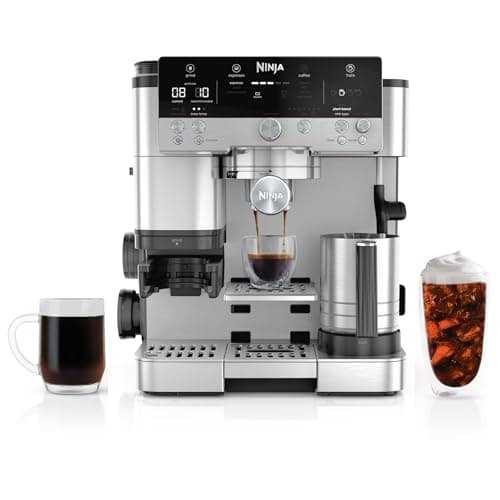
We also have a full review of the Ninja Luxe Café Premier, the guided 3-in-1 all-in-one whose built-in scale doses your grounds by weight, whose assisted tamper packs the puck for you and whose Barista Assist recommends the grind — with an honest look at the plastic build and the 53mm portafilter that locks you into Ninja's own accessories.
We also run the head-to-head buyers of the best-selling all-in-one ask most: Breville Barista Express vs Barista Express Impress — the same ThermoCoil machine, grinder and steam wand, with the Impress adding an assisted 22 lb tamp and intelligent 18-gram dosing, so we settle whether the assisted puck prep is worth the premium or whether the cheaper Express pulls the same shot.
A brand roundup sits beside our best Breville guide: the best De'Longhi espresso machines, ranking the home lineup by who each one is for — the pump machines you pull shots on with a portafilter (Stilosa, Dedica, La Specialista Arte Evo) and the bean-to-cup super-autos that do it for you (Magnifica Start, Magnifica Evo).
The roundup this site is named after: the best espresso machines with a portafilter, which ranks six machines not by price bracket but by the portafilter platform you are buying into — 51mm, 54mm or 58mm, whether the machine takes non-pressurized single-wall baskets, and how far the accessories go. It also settles which machines have a portafilter at all, since pod machines and bean-to-cup super-autos do not.
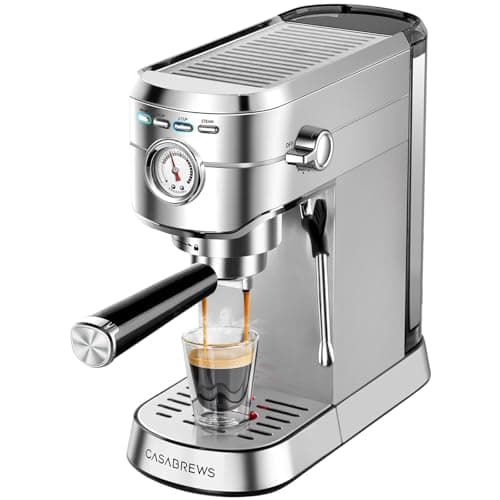
We answer the budget question we get asked most: our CASABREWS CM5418 review takes the Amazon brand that has quietly taken over the cheap end of the shelf and says plainly what a $150 machine buys you — a mostly-stainless body and a genuine articulated steam wand that can pour real microfoam, against pressurized dual-wall baskets that manufacture the crema and cap the shot, baskets that pop out of the portafilter, and a wand too short for a big pitcher. It also settles which CASABREWS model to buy, and when the De'Longhi Dedica is the smarter spend.
A third brand roundup joins our Breville and De'Longhi guides: the best Jura espresso machines, ranking the Swiss bean-to-cup range — ENA 4, ENA 8, E4, E6, E8 and S8 — by the three specs that actually decide which one you buy: whether it makes milk drinks and cleans the milk line itself, which grinder and brewing unit it carries, and how much coffee and water it holds before you refill it. It is also plain about the thing the spec sheets never lead with: no Jura has a portafilter, so none of them lets you pull a shot yourself.
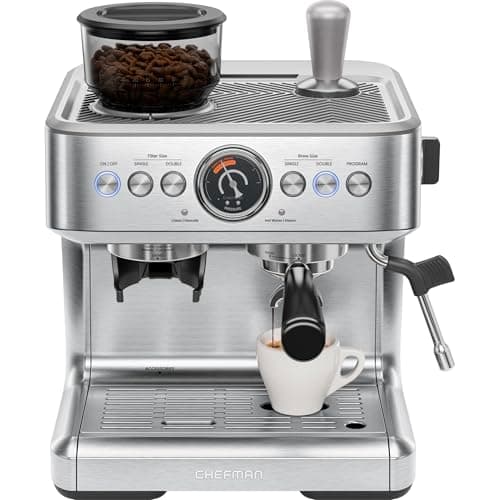
Our Chefman Crema Supreme review answers the question the listings bury: what portafilter size it actually takes. Chefman's retail spec sheets put a 58mm portafilter — the commercial standard, and the widest accessory ecosystem in espresso — on a grind-to-cup machine with a 30-setting conical burr grinder, a 3-liter tank and three selectable brew temperatures, which is rare at this money. It also says plainly what the manual does not, from the unpublished basket type to the owner-reported grinder and gauge failures, and why a machine over 19 inches tall will not fit under many wall cabinets.
A fourth brand roundup joins our Breville, De'Longhi and Jura guides: the best Gaggia espresso machines. It splits a catalog that confuses buyers more than any other into the two halves it actually contains - the 58mm Classic, the only Gaggia you pull a shot on yourself, and five bean-to-cup super-automatics that share one brew platform and differ almost entirely in how they handle milk. It decodes what Plus, Prestige, Milk and E24 really mean on a Gaggia box, and it explains the spec the brand undersells hardest: on every Gaggia super-automatic the brew unit comes out of the machine and washes by hand, which no Jura will ever do.
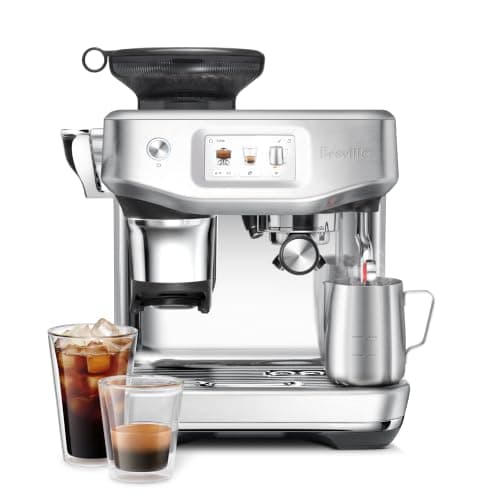
We also review the most automated machine in Breville's Barista line: the Breville Barista Touch Impress, which adds the assisted 22 lb Impress tamp and intelligent, self-correcting dosing to the touchscreen and hands-free Auto MilQ milk of the Barista Touch, on a ThermoJet heater with 30-setting Baratza burrs and built-in cold brew and cold espresso programs. It says plainly what the premium buys - a puck that comes out the same every morning and milk you never have to learn - and where it does not: a 54mm shot very close to the cheaper Express, Pro and Touch, a single boiler that brews then steams, and an automatic milk program that hands-on reviewers genuinely disagree about.
We also review the Breville Oracle Jet (BES985) - the machine that takes the Oracle idea, a grinder that doses and tamps 22 grams into a genuine 58mm portafilter with no lever at all, and moves it onto near-instant ThermoJet heating instead of the Oracle Touch's dual boilers. The review is plain about what that swap costs: the Jet is at brew temperature in seconds rather than minutes, and it also brews and steams in sequence rather than at the same time, which matters if you make several milk drinks back to back. It weighs that against the 45-setting Baratza-designed grinder, the hands-free Auto MilQ wand, the cold brew and cold espresso programs, and the two named hands-on reviewers who both docked the same machine for a grinder that leaves loose grounds behind.
Also here: a whole-setup page that splits a $500 budget across machine, grinder, basket, tamper, distribution tool and scale instead of spending it all on the machine, and a Ninja Luxe Cafe vs Breville Barista Touch head-to-head for anyone deciding between a 3-in-1 appliance and a dedicated espresso machine.
A head-to-head at the top of the range: Breville Oracle Jet vs Oracle Touch. Both grind, dose and tamp 22 grams into a genuine 58mm portafilter and texture milk hands-free, so the comparison comes down to one engineering choice - fast ThermoJet heating that brews then steams, or two real boilers that do both at once and take minutes to get there. We settle it with the one question that actually decides it, and name the cheaper hands-on dual boiler worth seeing before you spend either figure.
New this round, three pages aimed at the questions buyers actually start from. A complete espresso setup under $1,000 splits the budget across a 58mm machine, an espresso-geared electric grinder, a precision basket, a calibrated tamper, a WDT tool, a scale and a pitcher, rather than spending it all on one appliance - and says plainly where a single $1,000 machine is the better buy instead. Nespresso vs an espresso machine answers the most common starting point of all: what a sealed capsule fixes for you (dose, grind, freshness and basket, all decided at the factory), what it costs you, how to run the per-drink arithmetic with your own capsule price, and the four machines worth stepping up to depending on which part of pod life you actually liked. And the best espresso machines without plastic is honest from the first line that no mains-powered pump machine is plastic-free - gaskets and water tanks are polymer by necessity - and ranks four machines by how much of the brew path is stainless, brass or chrome instead.
We earn a commission when you buy through our Amazon links, at no extra cost to you. It never changes a verdict, and we say so when the cheaper product is the better buy. How this works.
Everything in this hub
All espresso machines
All 98 of our espresso machines pages are listed below — nothing is paginated, filtered or hidden behind a “load more”.
Roundups (24)
Ranked shortlists with a named winner, a live price, and the pick we would skip.
Roundup
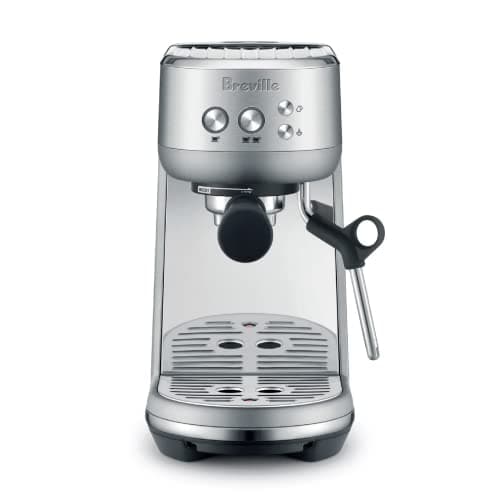
The best espresso machines for beginners
Six beginner-friendly machines from a $150 entry pump to a one-touch bean-to-cup, ranked on how easy they are to learn and how far they let you grow.
6 picks compared
See all picks →Top pick: Breville Bambino (BES450)
Roundup
The best espresso machines under $500
Five sub-$500 machines from a $150 entry pump to an auto-frothing Bambino Plus, ranked on shot quality, steam and value.
5 picks compared
See all picks →Top pick: Breville Bambino (BES450)
Roundup
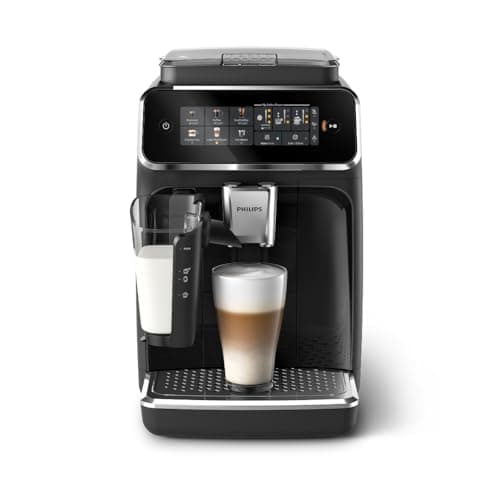
The best super-automatic espresso machines
Six one-touch bean-to-cup machines ranked on grinder, milk system and serviceability — including which milk systems clean in seconds and which ones you will grow to resent.
6 picks compared
See all picks →Top pick: Philips 3300 Series LatteGo (EP3341/50)
Roundup
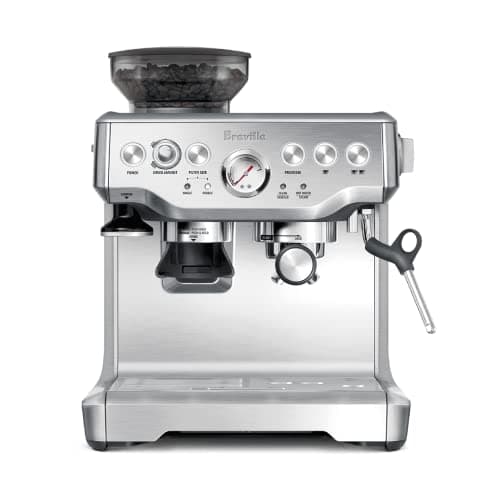
The best espresso machines under $1,000
Six machines in the $500-$1,000 band, ranked on temperature control, steam and — the number most roundups hide — what the complete setup costs once you add the grinder.
6 picks compared
See all picks →Top pick: Breville Barista Express (BES870XL)
Roundup
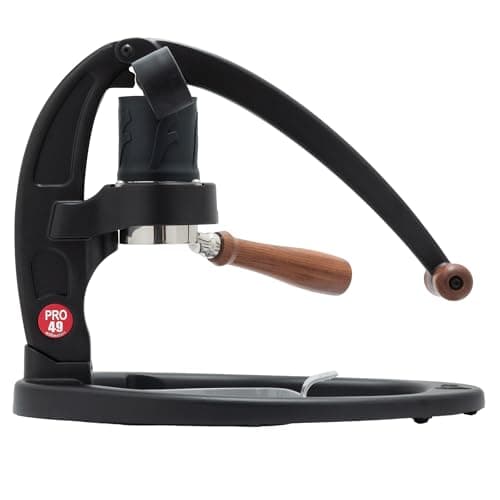
The best manual espresso machines
Six manual espresso makers, from a sub-$70 travel pump to a hand-built Italian lever, ranked on the espresso they make, what they ask of you, and what they cost.
6 picks compared
See all picks →Top pick: Flair 49 PRO
Roundup
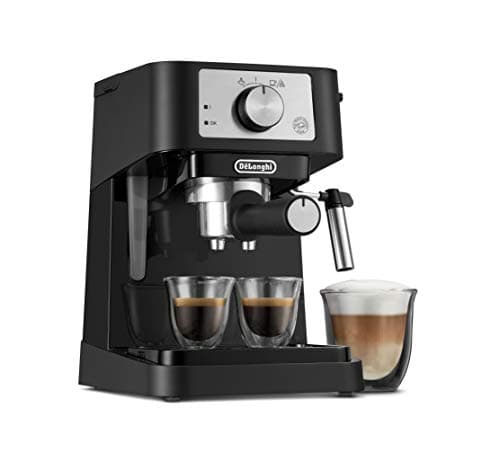
The best espresso machines under $200
Six espresso machines under $200, ranked on shot quality, steam, build, ease and value. Honest about the pressurized-basket ceiling at this price — and why pairing even a cheap machine with a real burr grinder beats spending more on the machine alone.
6 picks compared
See all picks →Top pick: De'Longhi Stilosa Compact Espresso Machine (EC260)
Roundup
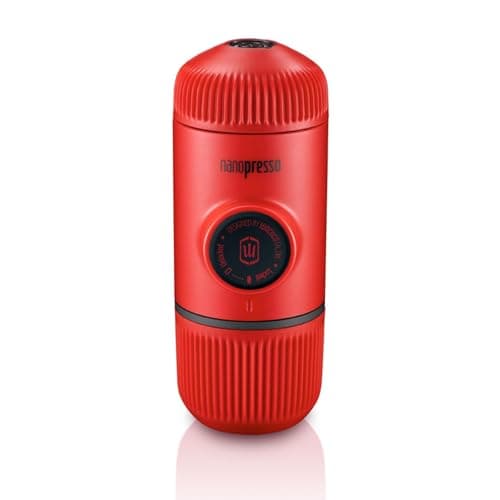
The best portable espresso makers
Six portable espresso makers ranked for travel, camping, the office and van life — from the pocket-sized Wacaco Nanopresso hand pump to a self-heating OutIn Nano and a folding Flair lever. Honest notes on hand-pump vs battery, capsule vs ground, and why these are a real single shot, not a countertop-machine replacement.
6 picks compared
See all picks →Top pick: Wacaco Nanopresso
Roundup
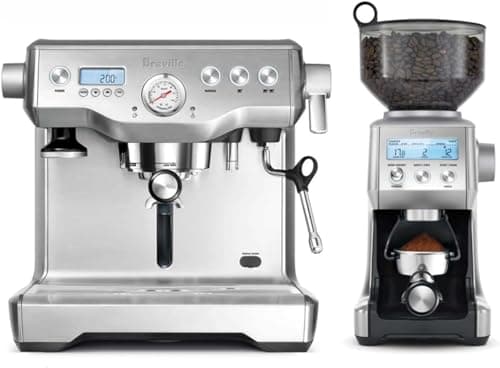
The best dual boiler espresso machines
Six prosumer dual boiler and heat-exchanger espresso machines ranked on build, temperature stability, steam power and value — from the value-benchmark Breville Dual Boiler to commercial-grade Rancilio and Italian E61 machines, with an honest take on who should skip the upgrade and buy a grinder instead.
6 picks compared
See all picks →Top pick: Breville Dynamic Duo Dual Boiler + Smart Grinder Pro (BEP920)
Roundup
Best espresso machines with a built-in grinder
Five espresso machines with the grinder built in, ranked. The trade is simple to state: an all-in-one saves money, counter space and steps versus buying a separate grinder, but a dedicated grinder has a higher ceiling. We cover semi-automatic machines you steam by hand versus one-touch bean-to-cup, and which all-in-one fits which drinker.
5 picks compared
See all picks →Top pick: Breville Barista Express (BES870XL)
Roundup
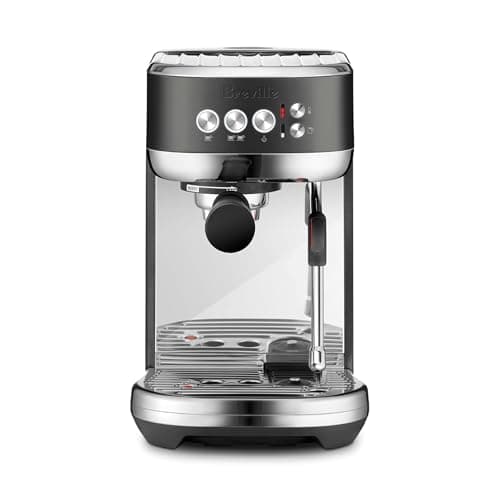
Best espresso machines for lattes and milk drinks
Five espresso machines for milk drinks, ranked by their milk system rather than their shot: an automatic steam wand for hands-free microfoam, a manual wand for real latte art, and hands-free super-auto carafes. Honest guidance on picking convenience versus control, plus steam power and the single-boiler wait.
5 picks compared
See all picks →Top pick: Breville Bambino Plus Espresso Machine (BES500)
Roundup
Best espresso machines for the office
Five espresso machines ranked for the office — one-touch super-automatics that grind, brew and froth on a button and clean themselves, plus a premium touchscreen pick and a compact all-in-one — judged on low-effort operation, easy cleaning, footprint and shared-use durability, with honest caveats on the two picks that ask more of a shared kitchen.
5 picks compared
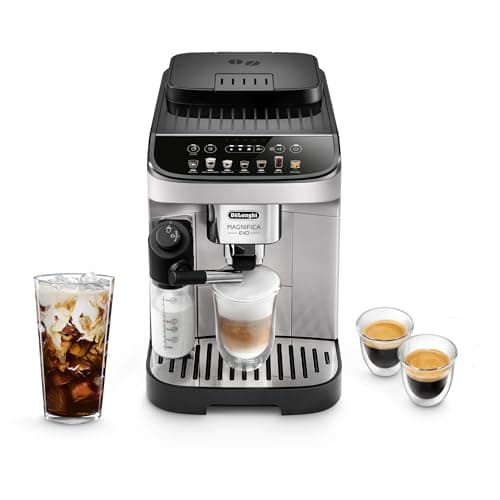
See all picks →Top pick: De'Longhi Magnifica Evo with LatteCrema (ECAM29084SB)
Roundup
The best espresso machines under $300
Six espresso machines around and under $300, ranked on shot quality, temperature control, steam, ease and value. Honest about the pressurized-basket ceiling most of them share — and why pairing the machine with a real burr grinder does more for the cup than any spec on the box.
6 picks compared
See all picks →Top pick: Breville Bambino (BES450)
Roundup
The best espresso machines for small kitchens
Six espresso machines ranked for small kitchens, apartments and dorms — measured on width, clearance and how little permanent space they take. Includes slim countertop pumps, a compact automatic-milk machine, and no-plumbing options that pack away, plus why a compact machine and a small separate grinder beat one tall all-in-one.
6 picks compared
See all picks →Top pick: Breville Bambino (BES450)
Roundup
The best prosumer espresso machines
Six prosumer espresso machines ranked on temperature stability, steam power, build and value — from the value-benchmark Breville Dual Boiler and the commercial-bones Rancilio Silvia Pro X to a PID heat exchanger and the two single boilers that mark the entry to the tier. Honest about the fact that most of these need a serious grinder on top of the machine price.
6 picks compared
See all picks →Top pick: Breville Dynamic Duo Dual Boiler + Smart Grinder Pro (BEP920)
Roundup
The best single boiler espresso machines
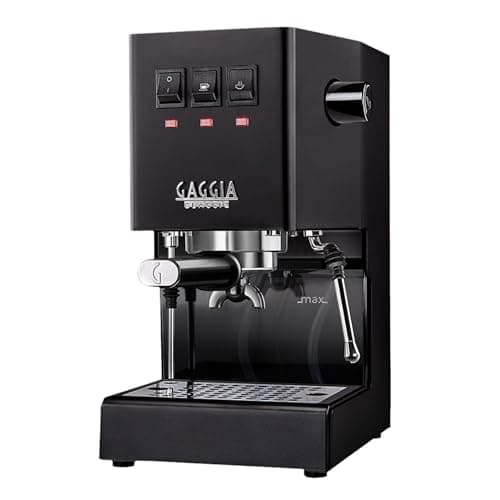
Five single boiler espresso machines ranked on shot quality, milk, build, ease and value — from the serviceable, moddable Gaggia Classic Evo Pro and the benchmark Rancilio Silvia to the compact Breville Bambinos and the slim De'Longhi Dedica. Honest about the one real limitation of a single boiler: the wait between brewing and steaming, and when that means stepping up to a dual boiler.
5 picks compared
See all picks →Top pick: Gaggia Classic Evo Pro
Roundup
The best Breville espresso machines
The Breville home lineup compared — from the compact Bambino to the fully automated Oracle Touch — ranked by which buyer each machine fits, with live prices.
8 picks compared
See all picks →Top pick: Breville Barista Express (BES870XL)
Roundup
The best De'Longhi espresso machines
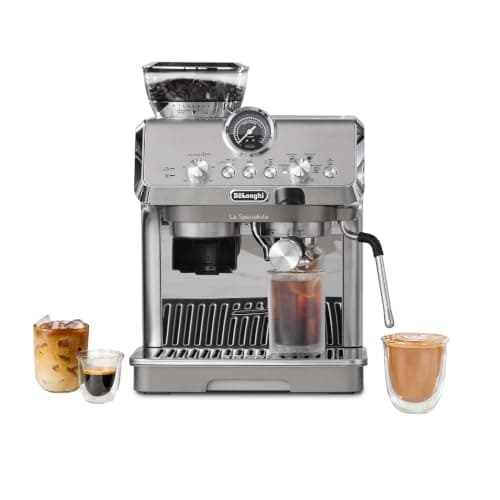
De'Longhi's home range compared — from the sub-$150 Stilosa to the guided La Specialista Arte Evo and the one-touch Magnifica super-autos — ranked by which buyer each machine fits, with live prices.
5 picks compared
See all picks →Top pick: De'Longhi La Specialista Arte Evo (EC9255)
Roundup
The best espresso machines with a portafilter
Which home machines actually have a portafilter — and which portafilter you should want. Six picks ranked by diameter, basket type and upgrade path, from a $150 starter to a 58mm machine you keep for a decade, with live prices.
6 picks compared
See all picks →Top pick: Breville Bambino (BES450)
Roundup
The best Jura espresso machines
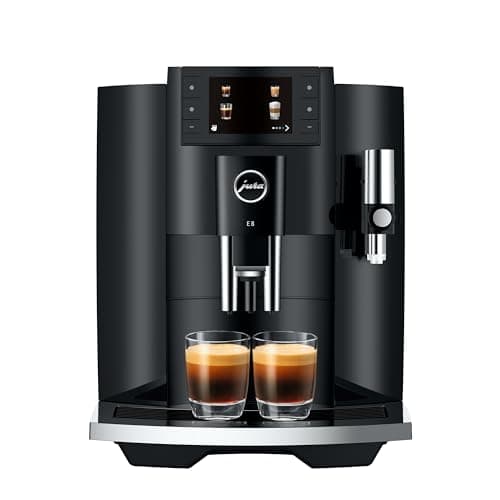
Jura's whole US home range compared — ENA 4, ENA 8, E4, E6, E8 and S8 — ranked by which buyer each machine fits, with Jura's own specs, honest cons and live prices.
6 picks compared
See all picks →Top pick: Jura E8
Roundup
The best Gaggia espresso machines
Gaggia's current US range compared — Classic Evo Pro, Cadorna Prestige, Velasca Prestige, Magenta Plus, Brera and Accademia — ranked by which buyer each machine fits, with Gaggia's own specs, honest cons and live prices.
6 picks compared
See all picks →Top pick: Gaggia Classic Evo Pro
Roundup
The best espresso machine gifts
The big present, done right: eight espresso machines we already review, re-ranked for gifters — the compact Bambino, the all-in-one Barista Express, the hands-free Bambino Plus, one-touch bean-to-cups from De'Longhi and Philips, the Gaggia for the tinkerer, the Flair for the ritual-lover and the Stilosa for a tight budget. Live prices on every pick.
8 picks compared
See all picks →Top pick: Breville Bambino Espresso Machine (BES450)
Roundup
The best espresso setup under $500
A complete espresso setup for under $500: the Breville Bambino as the machine, a KINGrinder K6 as the grinder, and the basket, tamper, distribution tool and scale that make the difference — with live prices and the budget split explained.
6 picks compared
See all picks →Top pick: Breville Bambino (BES450)
Roundup
The best espresso setup under $1,000
A complete 58mm home espresso build under $1,000: the Gaggia Classic Evo Pro, the Baratza Encore ESP, a precision basket, a calibrated tamper, a WDT tool, a 0.1g scale and a latte-art pitcher — with live prices on every part and the reason this beats one $1,000 machine.
7 picks compared
See all picks →Top pick: Gaggia Classic Evo Pro
Roundup
The best espresso machines without plastic
Four espresso machines with a metal brew path — the Flair PRO 2, La Pavoni Europiccola, Rancilio Silvia and Gaggia Classic Evo Pro — ranked by how much of the hot-water path is stainless, brass or chrome. Plus an honest account of which plastic parts no machine avoids.
4 picks compared
See all picks →Top pick: Flair PRO 2
Single-product reviews (29)
One product in full: the specs, the running-cost math, and who it is genuinely not for.
Review
Breville Bambino review: the little machine that punches up
The Breville Bambino (BES450) is the compact enthusiast pick: ThermoJet heat-up in seconds, cafe-capable shots from real non-pressurized baskets, and the smallest footprint of any serious machine — as long as you bring your own grinder.
1 picks compared
See all picks →Top pick: Breville Bambino Espresso Machine (BES450)
Review
Gaggia Classic Evo Pro review: the semi-automatic to grow into
The Gaggia Classic Evo Pro is the semi-automatic to grow into: a single-piece stainless body, a lead-free brass boiler, a genuine 58mm commercial portafilter and the biggest parts-and-mods community in home espresso. It rewards learning and tinkering — not one-touch convenience.
1 picks compared
See all picks →Top pick: Gaggia Classic Evo Pro
Review
Breville Barista Express review: the all-in-one that starts most home espresso
The Breville Barista Express (BES870XL) is the most popular all-in-one home espresso machine: an integrated conical burr grinder, ThermoCoil heating, a 54mm portafilter, a manual steam wand and a pressure gauge in one body — the machine that gets a beginner from beans to a real milk drink without a separate grinder.
1 picks compared
See all picks →Top pick: Breville Barista Express (BES870XL)
Review
De'Longhi Magnifica Evo review: the everyday one-touch machine
The De'Longhi Magnifica Evo with LatteCrema is the popular everyday super-automatic: 13 grind settings on a built-in burr grinder, a fridge-storable milk carafe that textures dairy and plant milks, and seven one-touch drinks — with the honest trade that its espresso is good rather than great.
1 picks compared
See all picks →Top pick: De'Longhi Magnifica Evo with LatteCrema (ECAM29084SB)
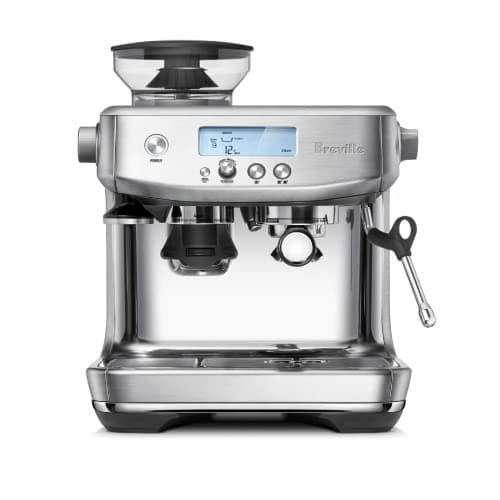
Review
Breville Barista Pro review: the faster all-in-one, honestly assessed
The Breville Barista Pro is the Barista Express made faster: a near-instant ThermoJet heater and a guided LCD screen wrapped around the same integrated grinder, 54mm brew system and manual steam wand. You are paying for speed and the display, not a better shot.
1 picks compared
See all picks →Top pick: Breville Barista Pro (BES878BSS)
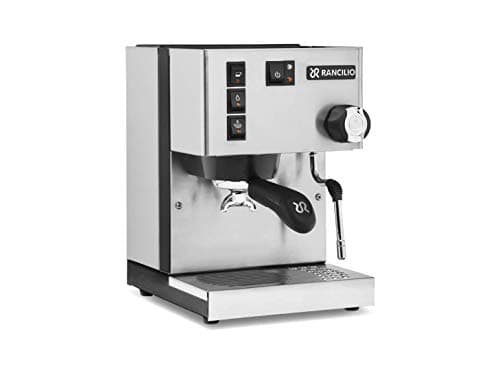
Review
Rancilio Silvia review: the benchmark home single boiler
The Rancilio Silvia is the benchmark home single boiler: a commercial brass group head, an insulated brass boiler, a genuine 58mm portafilter and a full-motion steam wand, all built to be serviced and modded for years. It rewards patience and technique — no factory PID, no grinder, and it costs meaningfully more than a Gaggia Classic.
1 picks compared
See all picks →Top pick: Rancilio Silvia
Review
Philips 3300 LatteGo review: the value bean-to-cup
The Philips 3300 Series LatteGo is our value bean-to-cup pick: a two-piece milk carafe with no tubes that rinses in seconds, a cool-running ceramic burr grinder and six one-touch drinks. The trade-offs are honest — good-not-great espresso, a shorter drink menu, no saved user profiles and a sealed brew group.
1 picks compared
See all picks →Top pick: Philips 3300 Series LatteGo (EP3341/50)
Review
De'Longhi La Specialista Arte Evo review: the guided all-in-one alternative to a Breville
The De'Longhi La Specialista Arte Evo (EC9255) is the strongest guided all-in-one alternative to a Breville: a built-in conical burr grinder, included tamping tools, a commercial-style manual steam wand, a large 2 L tank and dedicated cold-brew settings in one body — the most complete setup in this price bracket, held back mainly by a 51mm portafilter and thermoblock heating.
1 picks compared
See all picks →Top pick: De'Longhi La Specialista Arte Evo (EC9255)
Review
Wacaco Nanopresso review: real portable espresso, honestly
The Wacaco Nanopresso is the machine most people should buy first for coffee away from a kitchen counter: a patented hand pump reaches around 18 bar with no electricity, it weighs about as much as a phone and a half, and it is the cheapest honest route into real portable espresso. The shot is small and technique matters — but for camping, travel and a desk drawer nothing beats it on price or packability.
1 picks compared
See all picks →Top pick: Wacaco Nanopresso
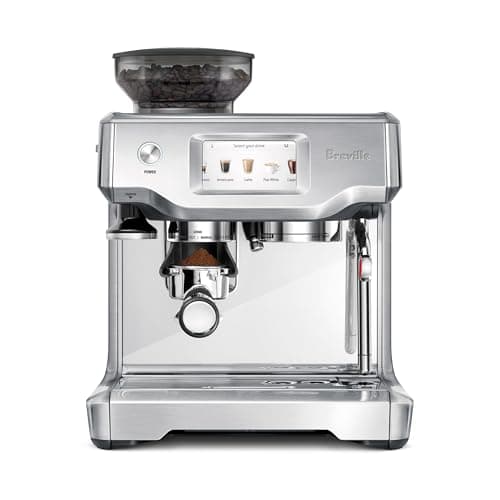
Review
Breville Barista Touch review: the hands-free all-in-one, honestly assessed
The Breville Barista Touch is the all-in-one for people who want the milk done for them: a color touchscreen guides each drink and an automatic steam wand textures milk hands-free to a set temperature and texture. The catch is that the espresso itself is very close to the cheaper Barista Express and Barista Pro — you are paying for the screen and the automation, not a better shot.
1 picks compared
See all picks →Top pick: Breville Barista Touch (BES880BSS)
Review
De'Longhi Stilosa (EC260) review: the cheapest real way into espresso
The De'Longhi Stilosa is the cheapest genuine pump espresso machine worth buying: a real 15-bar pump, a pressurized portafilter and a panarello steam wand in a compact body. It is a great first taste of espresso, but its pressurized basket manufactures crema, it has no temperature control and its steam wand froths more than it textures — so most people outgrow it.
1 picks compared
See all picks →Top pick: De'Longhi Stilosa (EC260)
Review
Breville Bambino Plus review: the compact machine that froths milk for you
The Breville Bambino Plus (BES500) is the beginner's milk-drink machine: an automatic steam wand that heats and froths milk hands-free to a temperature and foam level you choose, near-instant ThermoJet heat-up, and a paperback-sized footprint - as long as you bring your own grinder.
1 picks compared
See all picks →Top pick: Breville Bambino Plus Espresso Machine (BES500)
Review
Breville Dual Boiler review: the machine that made a true dual boiler affordable
The Breville Dual Boiler (BDB) is the machine that made a genuine dual boiler affordable: two stainless boilers with independent PID, a PID-heated 58mm group and low-pressure pre-infusion, so you brew and steam at once with the temperature held to the degree. It commonly ships as the Dynamic Duo bundle with the Smart Grinder Pro, which removes the most common first-year mistake.
1 picks compared
See all picks →Top pick: Breville Dynamic Duo Dual Boiler + Smart Grinder Pro (BEP920)
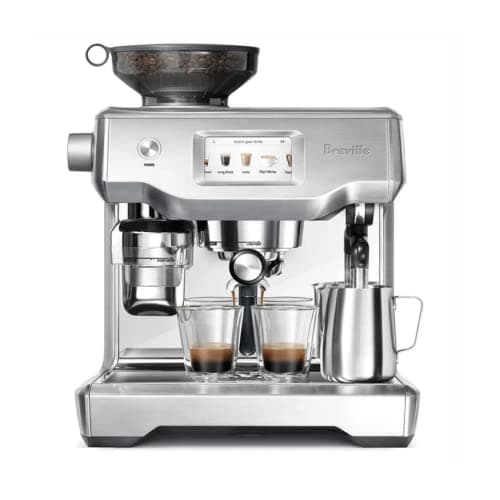
Review
Breville Oracle Touch review: cafe results with none of the ritual
The Breville Oracle Touch (BES990) bolts a full super-automatic front end onto a real dual boiler: an integrated grinder auto-grinds, doses and tamps 22g into a 58mm portafilter, the touchscreen walks you through drinks, and the Auto MilQ wand textures milk hands-free. The coffee is legitimately good, not just easy - you pay a premium and give up the tinkering.
1 picks compared
See all picks →Top pick: Breville Oracle Touch (BES990)
Review
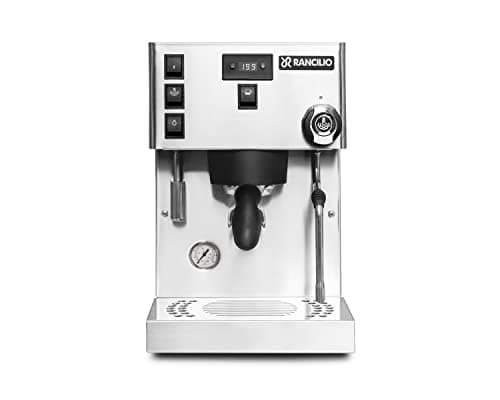
Rancilio Silvia Pro X review: the dual-boiler evolution of the classic Silvia
The Rancilio Silvia Pro X is the dual-boiler, PID, pre-heat evolution of the classic Silvia: a 1L steam boiler and a 300ml brew boiler run on independent, to-the-degree PIDs for true simultaneous brew and steam, with commercial-grade steam power and a genuine 58mm portafilter. It is the enthusiast step up from the single-boiler Silvia - heavier, more serviceable, and expecting you to bring the grinder and the skill.
1 picks compared
See all picks →Top pick: Rancilio Silvia Pro X Espresso Machine
Review
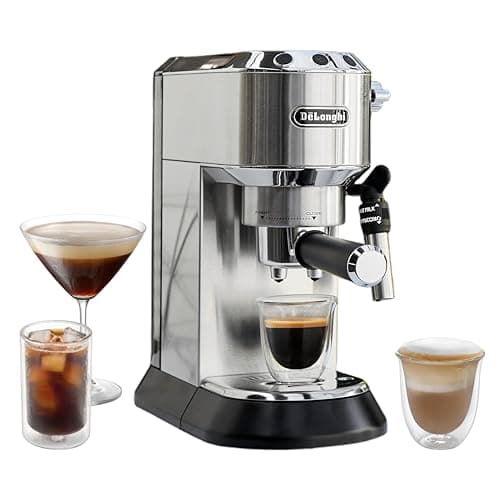
De'Longhi Dedica Deluxe review: the slim budget machine, honestly assessed
The De'Longhi Dedica Deluxe is the slim, budget way into real espresso: roughly 5.9 inches wide, a 15-bar pump, a fast thermoblock and two programmable brew buttons. It ships with pressurized baskets but — unlike the cheaper Stilosa — can take non-pressurized ones, so it grows a little. You are buying footprint and price, not steam power.
1 picks compared
See all picks →Top pick: De'Longhi Dedica Deluxe (EC685)
Review
Flair PRO 2 review: real lever espresso, pulled by hand
The Flair PRO 2 is a manual lever espresso maker: no electric pump and no boiler, just an all-stainless brew cylinder, a 49mm basket and a 5-9 bar gauge. You heat the water, grind fine, and pull the shot by hand. Paired with a real grinder it embarrasses far pricier machines — as long as the slow ritual is the appeal, not a chore.
1 picks compared
See all picks →Top pick: Flair PRO 2
Review
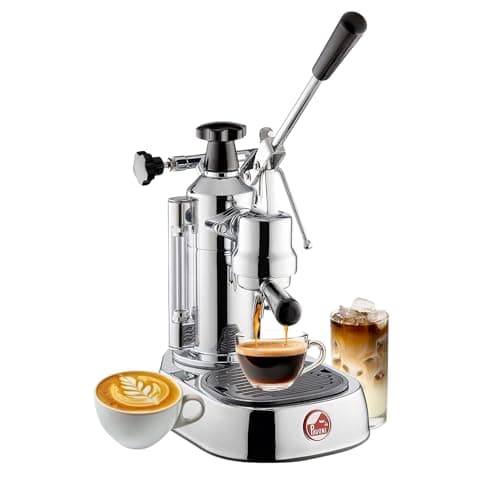
La Pavoni Europiccola review: the beautiful, demanding icon
The La Pavoni Europiccola is a chrome-and-brass manual lever with its own heated boiler and a steam wand — the rare manual maker that pulls a whole cappuccino unaided. It is a rebuildable heirloom that lasts decades, but it has no PID, a small boiler and a real learning curve. Buy it for the romance and the craft, not for a quick, foolproof cup.
1 picks compared
See all picks →Top pick: La Pavoni Europiccola (EPC-8)
Review
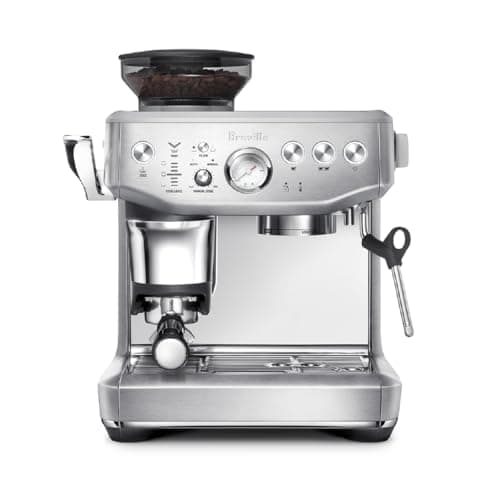
Breville Barista Express Impress review: the assisted-tamp all-in-one, honestly assessed
The Breville Barista Express Impress is the Barista Express with an assisted puck-prep system bolted on: a guided dose that nudges toward an 18g target and a lever that applies a consistent tamp for you. It raises the floor on a new user's shots without raising the ceiling — same 54mm brew system, same integrated grinder, same manual steam wand as the Express.
1 picks compared
See all picks →Top pick: Breville Barista Express Impress (BES876)
Review
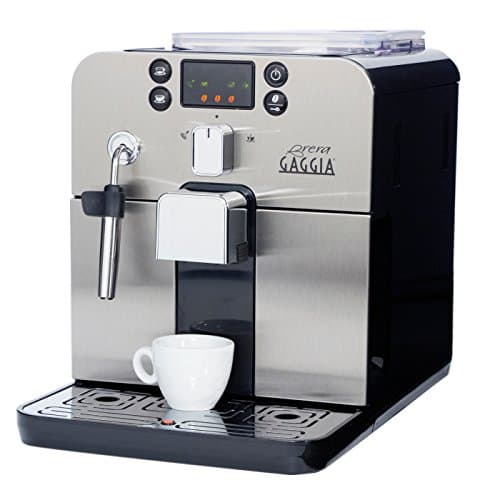
Gaggia Brera review: the compact, serviceable bean-to-cup
The Gaggia Brera is the compact, old-school super-automatic: about 12.4 inches wide, with 100% ceramic burrs, a brew group that pulls out for rinsing, and a manual pannarello wand that hands the milk back to you. You trade a coarse 5-setting grinder and a walk-away milk carafe for a smaller, more serviceable machine.
1 picks compared
See all picks →Top pick: Gaggia Brera
Review
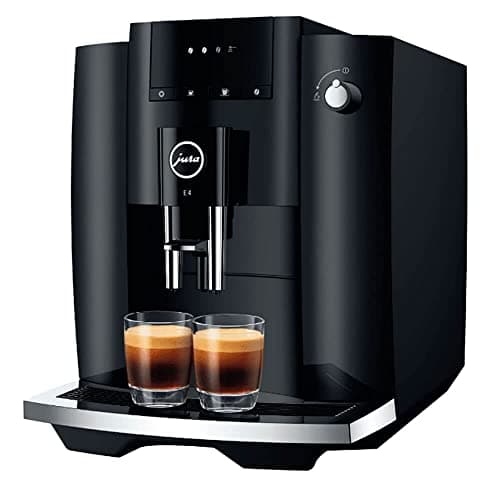
Jura E4 review: the premium black-coffee specialist
The Jura E4 is the premium Swiss super-automatic built purely for black coffee: Pulse Extraction Process for the shot, a Professional Aroma Grinder with a 5-16 g variable chamber, and a 64 oz tank with Clearyl filtration. It has no milk system at all, so it is only for espresso, coffee and americano drinkers — milk households need a separate frother or a different machine.
1 picks compared
See all picks →Top pick: Jura E4
Review
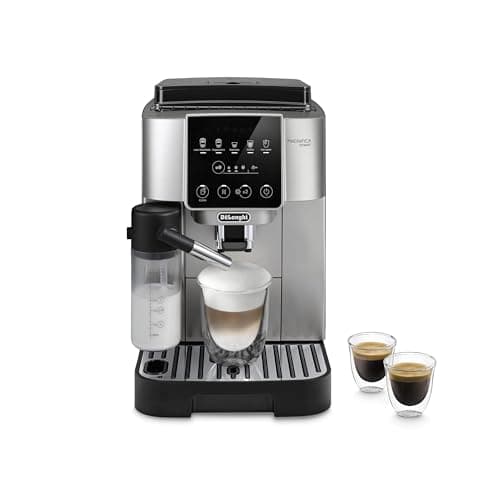
De'Longhi Magnifica Start review: the budget one-touch bean-to-cup
The De'Longhi Magnifica Start is the budget one-touch bean-to-cup: a built-in burr grinder, an automatic frother and a short menu of one-touch recipes, so whole beans become a drink at the press of a button with no skill required. The trade is control - the dose, tamp and extraction are fixed, and the espresso is good rather than great.
1 picks compared
See all picks →Top pick: De'Longhi Magnifica Start
Review
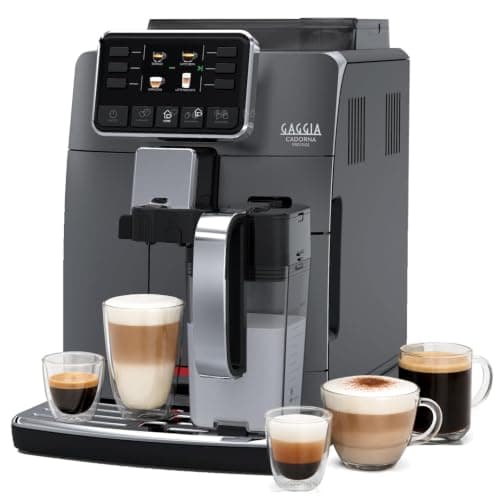
Gaggia Cadorna Prestige review: the bean-to-cup you can service
The Gaggia Cadorna Prestige is the super-automatic for a household where nobody drinks the same thing: fifteen one-touch drinks, four user profiles, 100% ceramic burrs and an integrated one-touch milk carafe. The part that sets it apart is a removable brew group you can rinse under a tap — the difference between a machine you maintain and one you send away.
1 picks compared
See all picks →Top pick: Gaggia Cadorna Prestige
Review
Ninja Luxe Café Premier review: the guided all-in-one
The Ninja Luxe Café Premier (ES601) is a 3-in-1 espresso, drip and cold-brew machine built around a guided workflow: a built-in scale doses grounds by weight, an assisted tamper packs the puck, and Barista Assist recommends the grind. It also froths milk hands-free. The trade is a largely plastic body, a big footprint and a 53mm portafilter that locks you into Ninja's own accessories.
1 picks compared
See all picks →Top pick: Ninja Luxe Café Premier
Review
CASABREWS CM5418 review: what a $150 Amazon espresso machine actually buys you
The CASABREWS CM5418 is a slim, mostly-stainless budget espresso machine with a genuine one-hole steam wand, a pressure gauge and a fast heat-up — noticeably more machine than the rock-bottom tier for similar money. But it ships pressurized dual-wall baskets only, so the crema is manufactured and shot quality is capped, the filter baskets pop out of the portafilter when you knock the puck, and the steam wand is too short for a big pitcher.
1 picks compared
See all picks →Top pick: CASABREWS CM5418 Compact Espresso Machine
Review
Chefman Crema Supreme review: the 58mm portafilter nobody mentions
The Chefman Crema Supreme (RJ54-G-SS) is a grind-to-cup espresso machine with a 30-setting conical burr grinder, a 3 L tank, a pressure gauge and three selectable brew temperatures — and, per Chefman's retail listings, a 58mm portafilter, the commercial standard, which is very unusual at this price. The honest caveats are real: it is a tall, heavy machine, the steam wand is capable rather than fine, and owner reports of grinder and gauge failures are frequent enough to take seriously.
1 picks compared
See all picks →Top pick: Chefman Crema Supreme Espresso Machine
Review
Breville Barista Touch Impress review: the most automated Barista machine, honestly assessed
The Breville Barista Touch Impress is the Barista Touch with the puck-prep step automated too: an intelligent dosing system, an assisted 22 lb tamp with auto-correction and a color touchscreen that tells you what to change, plus a hands-free Auto MilQ wand with dairy, oat, almond and soy settings. It is the easiest semi-automatic Breville makes — and the priciest in the Barista line, for a shot that is very close to the cheaper machines it is built from.
1 picks compared
See all picks →Top pick: Breville Barista Touch Impress (BES881BSS)
Review
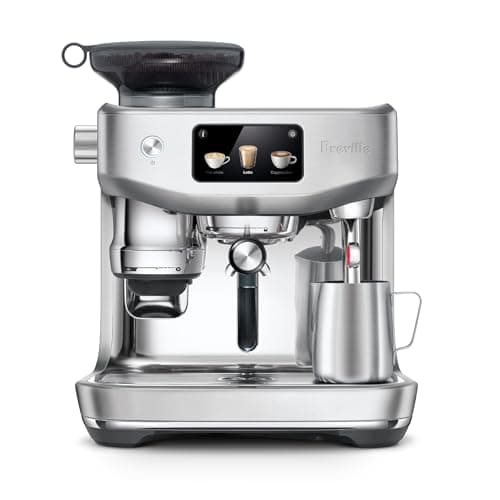
Breville Oracle Jet review: the Oracle without the wait, or the dual boiler
The Breville Oracle Jet (BES985) is the Oracle idea on ThermoJet heating: a 45-setting integrated grinder auto-grinds, doses and tamps 22 grams into a professional 58mm portafilter with no lever to pull, a 5-inch touchscreen coaches the shot, and the Auto MilQ wand textures dairy, soy, almond or oat hands-free. It heats in seconds where the Oracle Touch wants minutes — but it uses one heating path, so it brews then steams instead of doing both at once.
1 picks compared
See all picks →Top pick: Breville Oracle Jet (BES985BSS)
Review
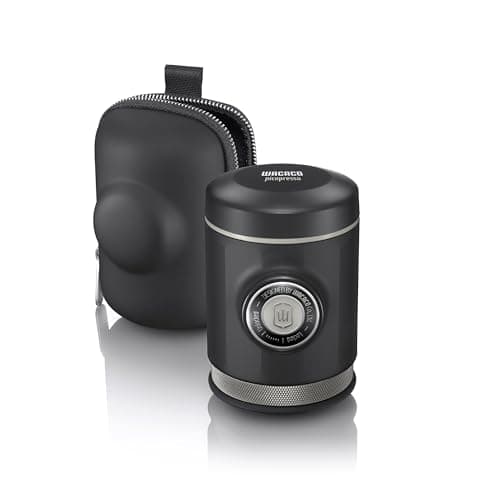
Wacaco Picopresso review: the portable that asks something of you
The Wacaco Picopresso runs a genuine 52mm naked portafilter and an 18g non-pressurized basket from a hand pump rated to 18 bar, so it pulls a real double rather than a small approximation. It needs a good grinder, a dialed-in grind and boiling water you supply yourself — and shots land cooler than a countertop machine's.
1 picks compared
See all picks →Top pick: Wacaco Picopresso Portable Espresso Maker
Head-to-head comparisons (45)
Two products side by side, with a straight answer on which one to buy.
Explainer
Breville vs De'Longhi: which espresso machine should you buy?
The Breville Bambino vs the De'Longhi Dedica, compared on temperature control, steam power, build and value — with a clear who-should-buy-which verdict.
2 picks compared
See all picks →Top pick: Breville Bambino (BES450)
Explainer
Breville Barista Express vs Barista Pro: which should you buy?
Breville Barista Express vs Barista Pro: same grind-to-cup idea, but the Pro swaps the Express's slower ThermoCoil and pressure gauge for near-instant ThermoJet heat-up and an LCD screen. Which is worth the money, decided.
2 picks compared
See all picks →Top pick: Breville Barista Express (BES870XL)
Explainer
Breville Bambino vs Bambino Plus: which one should you buy?
The Bambino and Bambino Plus share one espresso engine — same ThermoJet heat-up, 54mm portafilter, 15-bar pump and no grinder. The only real difference is milk: manual wand on the base, automatic texturing on the Plus. We compare what you actually pay the extra for.
2 picks compared
See all picks →Top pick: Breville Bambino Espresso Machine (BES450)
Explainer
Breville Bambino vs Gaggia Classic Evo Pro: which should you buy?
Breville Bambino vs Gaggia Classic Evo Pro: a modern, near-instant, forgiving 54mm machine against an old-school, serviceable, 58mm commercial-style one — compared on heat-up, steam, accessories and repairability, with a clear who-buys-which verdict.
2 picks compared
See all picks →Top pick: Breville Bambino Espresso Machine (BES450)
Explainer
Rancilio Silvia vs Gaggia Classic Evo Pro: which single boiler should you buy?
Rancilio Silvia vs Gaggia Classic Evo Pro: the two classic all-metal, 58mm, no-PID single boilers people step up to. The Gaggia is the value pick with the biggest mod community; the Silvia is heavier, better built and steams like a small commercial machine — for meaningfully more money.
2 picks compared
See all picks →Top pick: Gaggia Classic Evo Pro
Explainer
Breville Barista Express vs Bambino: which should you buy?
Breville Barista Express vs Bambino: the all-in-one with the grinder built in against a tiny ThermoJet machine you pair with a dedicated grinder. Same 54mm shot — the decision is really about the grinder and your counter.
2 picks compared
See all picks →Top pick: Breville Barista Express (BES870XL)
Explainer
Semi-automatic vs super-automatic espresso: which suits your mornings?
Semi-automatic vs super-automatic espresso: a hands-on machine plus a grinder that gives you control and a higher ceiling, against a one-touch bean-to-cup that grinds, brews and froths with zero skill. Compared on control, consistency, effort and ceiling, with a plain who-buys-which verdict.
2 picks compared
See all picks →Top pick: Breville Bambino Espresso Machine (BES450)
Explainer
Breville Barista Express vs Gaggia Classic Evo Pro: which should you buy?
Breville Barista Express vs Gaggia Classic Evo Pro: the all-in-one with a built-in grinder against the bare 58mm machine you pair with a separate grinder. The Express is more complete and easier; the Gaggia has the higher ceiling and the longer life. Which fits you, decided.
2 picks compared
See all picks →Top pick: Breville Barista Express (BES870XL)
Explainer
Rancilio Silvia vs Breville Barista Express: which should you buy?
Rancilio Silvia vs Breville Barista Express: a bare, bombproof 58mm single boiler you build a setup around, against the convenient all-in-one with the grinder built in. The Silvia has the commercial build and the higher ceiling; the Express is more complete and far easier to start on. Which fits you, decided.
2 picks compared
See all picks →Top pick: Rancilio Silvia
Explainer
Breville Barista Pro vs Barista Touch: which should you buy?
Breville Barista Pro vs Barista Touch: same integrated grinder, same 54mm brew system, same ThermoJet heat-up, so the espresso is identical. The Touch adds an automatic hands-free milk wand and a color touchscreen; the Pro keeps a manual wand and an LCD for less. Which is worth the money, decided.
2 picks compared
See all picks →Top pick: Breville Barista Pro (BES878BSS)
Explainer
Philips 3300 vs De'Longhi Magnifica Evo: which super-automatic should you buy?
Philips 3300 LatteGo vs De'Longhi Magnifica Evo: two one-touch bean-to-cup machines that both make good-not-great espresso, so the real difference is milk. LatteGo is a tube-free two-part carafe that rinses in seconds; LatteCrema is a fridge-storable carafe that textures plant milks and pairs with a removable brew group. Which is right for you, decided.
2 picks compared
See all picks →Top pick: Philips 3300 Series LatteGo (EP3341/50)
Explainer
Breville Bambino vs Rancilio Silvia: which compact espresso machine?
Breville Bambino vs Rancilio Silvia: the cheapest fast route to real espresso - ThermoJet heat-up in seconds, one-touch shots and a paperback footprint - against a heavy commercial-brass 58mm single boiler built to be learned, serviced and kept for years. Both need a separate grinder to shine.
2 picks compared
See all picks →Top pick: Breville Bambino Espresso Machine (BES450)
Explainer
Breville Barista Express vs De'Longhi Magnifica Evo: grind-and-tamp or one-touch?
Breville Barista Express vs De'Longhi Magnifica Evo: a semi-automatic you grind, tamp and steam by hand against a super-automatic bean-to-cup that grinds, brews and froths on one touch - compared on the cup, the milk workflow, the control and the maintenance, with an honest who-buys-which verdict.
2 picks compared
See all picks →Top pick: Breville Barista Express (BES870XL)
Explainer
De'Longhi La Specialista Arte Evo vs Breville Barista Express
De'Longhi La Specialista Arte Evo vs Breville Barista Express: the guided grind-to-cup machine with sensor grinding, a Smart Tamping Station, a 2 L tank and cold brew, against the category-default 54mm all-in-one with dose control, a live pressure gauge and the deepest owner community - compared on grind, milk, footprint, ease and upgrade path.
2 picks compared
See all picks →Top pick: De'Longhi La Specialista Arte Evo (EC9255)
Explainer
Gaggia Classic Evo Pro vs De'Longhi Stilosa: which budget espresso machine?
Gaggia Classic Evo Pro vs De'Longhi Stilosa: the cheapest genuine pump machine that fakes crema with a pressurized basket, against a 58mm commercial-portafilter platform you service and mod for years. Same hobby, a tier apart - here is which one matches how far you want to go.
2 picks compared
See all picks →Top pick: Gaggia Classic Evo Pro
Explainer
Breville Barista Touch vs De'Longhi La Specialista Arte Evo
Breville Barista Touch vs De'Longhi La Specialista Arte Evo: two premium grinder-brew-steam all-in-ones at the convenience-versus-control fork. The Touch adds a touchscreen and a fully automatic milk wand that textures milk for you; the Arte Evo keeps a manual wand and guided dosing you stay hands-on with. Compared on the milk, the espresso control, the learning curve and the footprint.
2 picks compared
See all picks →Top pick: Breville Barista Touch (BES880BSS)
Explainer
Breville Bambino vs De'Longhi Magnifica Evo: learn the craft or press a button?
Breville Bambino vs De'Longhi Magnifica Evo: a compact semi-automatic that teaches you real espresso for less (but needs a separate grinder) against a one-touch super-automatic that grinds and froths for you - the classic learn-the-craft or press-a-button fork, compared on setup cost, control, milk and maintenance, with an honest who-buys-which.
2 picks compared
See all picks →Top pick: Breville Bambino Espresso Machine (BES450)
Explainer
De'Longhi Magnifica Evo vs La Specialista Arte Evo: bean-to-cup or barista control?
De'Longhi Magnifica Evo vs La Specialista Arte Evo: a one-touch super-automatic that grinds, brews and froths a latte for you against a guided manual portafilter machine you dose, pull and steam yourself - same brand, same built-in grinder, opposite philosophies, compared on control, milk, effort and household fit.
2 picks compared
See all picks →Top pick: De'Longhi Magnifica Evo with LatteCrema (ECAM29084SB)
Explainer
Breville Barista Pro vs De'Longhi La Specialista Arte Evo
Breville Barista Pro vs De'Longhi La Specialista Arte Evo: two mid-premium grind-brew-steam all-in-ones with on-machine guidance, compared on heat-up speed, the grind-and-dose workflow, milk texturing, footprint and who each suits - fast-and-simple display against guided hand-holding.
2 picks compared
See all picks →Top pick: Breville Barista Pro (BES878BSS)
Explainer
Breville Bambino vs De'Longhi Stilosa: which entry espresso machine?
Breville Bambino vs De'Longhi Stilosa: two entry espresso machines a tier apart. The Stilosa is the rock-bottom, pressurized-basket way to test the hobby; the Bambino costs more but adds ThermoJet heat-up, a real single-wall basket for true espresso, a capable steam wand and years of headroom. Stilosa wins on price alone; Bambino wins on the cup.
2 picks compared
See all picks →Top pick: Breville Bambino Espresso Machine (BES450)
Explainer
Rancilio Silvia vs De'Longhi La Specialista Arte Evo
Rancilio Silvia vs De'Longhi La Specialista Arte Evo: a bare, heavy 58mm commercial single boiler you pair with a grinder and keep for years, against a guided all-in-one that bundles the grinder, dosing, tamping and a steam wand into one box. An honest look at total cost and who each machine rewards.
2 picks compared
See all picks →Top pick: Rancilio Silvia
Explainer
Breville Barista Touch vs De'Longhi Magnifica Evo: touchscreen or bean-to-cup?
Breville Barista Touch vs De'Longhi Magnifica Evo: the Touch is a semi-automatic with a real portafilter, a color touchscreen and an automatic steam wand, so you still grind, dose and lock in a shot but the milk is walk-away. The Magnifica is a full super-automatic that grinds, brews and froths on one button. Same goal - automatic milk - two very different amounts of control, effort and involvement.
2 picks compared
See all picks →Top pick: Breville Barista Touch (BES880BSS)
Explainer
Breville Barista Express vs Barista Touch: is the touchscreen worth the jump?
Breville Barista Express vs Barista Touch: two all-in-ones with the same built-in grinder and 54mm brew system, so the espresso in the cup is essentially the same. The split is the interface and the milk - a manual wand and analog gauge on the Express against a color touchscreen and an automatic hands-free milk wand on the Touch. You are paying for the automation, not a better shot.
2 picks compared
See all picks →Top pick: Breville Barista Express (BES870XL)
Explainer
Breville Barista Pro vs De'Longhi Magnifica Evo: control or convenience?
Breville Barista Pro vs De'Longhi Magnifica Evo: a hands-on semi-automatic that grinds fresh into a portafilter and lets you dial, tamp and steam by hand against a one-touch super-automatic bean-to-cup that grinds, brews and froths from a milk carafe with no technique. The Pro has the higher ceiling; the Magnifica has the higher floor and zero effort.
2 picks compared
See all picks →Top pick: Breville Barista Pro (BES878BSS)
Explainer
Breville Bambino Plus vs Barista Express: separate grinder or built-in?
Breville Bambino Plus vs Barista Express: a paperback-sized machine with automatic hands-free milk and near-instant heat-up that you pair with a separate grinder, against a one-box all-in-one that grinds, brews and steams from a single body. The Plus route makes better espresso for the money in less counter depth; the Express is the tidier single-appliance answer.
2 picks compared
See all picks →Top pick: Breville Bambino Plus Espresso Machine (BES500)
Explainer
Breville Barista Pro vs Rancilio Silvia: convenience or a machine you keep?
Breville Barista Pro vs Rancilio Silvia: a convenient all-in-one with a built-in grinder, near-instant ThermoJet heat-up and an on-screen guide against a heavy commercial-brass 58mm single boiler you learn, temperature-surf, maybe PID and keep for a decade. The Pro is the modern one-box machine; the Silvia is the serviceable benchmark that needs a separate grinder.
2 picks compared
See all picks →Top pick: Breville Barista Pro (BES878BSS)
Explainer
De'Longhi Stilosa vs Magnifica Evo: budget starter or one-touch machine?
De'Longhi Stilosa vs Magnifica Evo: the same brand, opposite philosophies. The Stilosa is the cheapest genuine pump machine - a real 15-bar pump, a pressurized basket and a panarello wand you work yourself. The Magnifica Evo is a one-touch bean-to-cup that grinds, brews and froths a latte with no skill, for many times the price. Budget-first against convenience-first.
2 picks compared
See all picks →Top pick: De'Longhi Stilosa (EC260)
Explainer
Rancilio Silvia vs De'Longhi Magnifica Evo: learn a machine or press a button?
Rancilio Silvia vs De'Longhi Magnifica Evo: as far apart as two espresso machines get. The Silvia is a hands-on 58mm commercial-brass single boiler you learn, steam by hand and pair with a separate grinder. The Magnifica Evo is a bean-to-cup super-automatic that grinds, tamps, brews and froths a milk drink on one button. Craft against convenience.
2 picks compared
See all picks →Top pick: Rancilio Silvia
Explainer
De'Longhi Magnifica Evo vs Gaggia Classic Evo Pro: convenience or craft?
De'Longhi Magnifica Evo vs Gaggia Classic Evo Pro: convenience against craft at a similar spend. The Magnifica is a one-touch bean-to-cup that grinds, brews and froths a milk drink automatically. The Gaggia is a manual, endlessly serviceable 58mm machine you learn, mod and pair with a separate grinder. One hands you coffee; the other hands you a hobby.
2 picks compared
See all picks →Top pick: De'Longhi Magnifica Evo with LatteCrema (ECAM29084SB)
Explainer
Breville Oracle Touch vs Philips 3300 LatteGo: which automation is worth it?
Breville Oracle Touch vs Philips 3300 LatteGo: two one-touch milk machines at opposite prices. The Oracle Touch automates a real 58mm portafilter and a dual boiler, so it makes cafe-grade espresso and hand-quality microfoam with no skill - at a premium. The Philips 3300 is a mainstream bean-to-cup with a no-tube LatteGo carafe that rinses in seconds. Which automation is worth paying for.
2 picks compared
See all picks →Top pick: Breville Oracle Touch (BES990)
Explainer
Breville Dual Boiler vs Rancilio Silvia Pro X: which enthusiast dual boiler?
Breville Dual Boiler vs Rancilio Silvia Pro X: two genuine enthusiast dual boilers around the same tier. The Breville is the feature-rich, programmable machine that bundles a grinder in the Dynamic Duo and delivers the most capability per dollar; the Rancilio is the heavier, all-metal, more serviceable Italian machine with commercial-grade steam. Both brew and steam at once with the temperature held to the degree - the choice is features and value versus build and steam.
2 picks compared
See all picks →Top pick: Breville Dynamic Duo Dual Boiler + Smart Grinder Pro (BEP920)
Explainer
Breville Barista Touch vs Oracle Touch: what the price jump actually buys
Breville Barista Touch vs Oracle Touch: both have a color touchscreen and an automatic milk wand, so the large price gap does not buy those. It buys a dual boiler for simultaneous brew-and-steam, an auto-tamp that removes the last manual step, and a 58mm commercial group - upgrades that matter for back-to-back milk drinks and a hands-off puck, and barely show if you make one drink at a time.
2 picks compared
See all picks →Top pick: Breville Barista Touch (BES880BSS)
Explainer
De'Longhi Dedica vs Stilosa: which budget espresso machine should you buy?
De'Longhi Dedica vs Stilosa: both are 15-bar budget pump machines with a frothing wand and no grinder. The Dedica adds a thermoblock, two programmable brew buttons and — the deciding factor — the ability to take non-pressurized baskets. The Stilosa is cheaper and fully manual. Which is the smarter spend, decided.
2 picks compared
See all picks →Top pick: De'Longhi Dedica Deluxe (EC685)
Explainer
Breville Bambino vs De'Longhi Dedica: which compact espresso machine wins?
Breville Bambino vs De'Longhi Dedica: both are compact 15-bar pump machines with no grinder. The Bambino adds near-instant ThermoJet heat-up, PID temperature control, a real 54mm steam wand that pours latte art and single-wall baskets in the box. The Dedica is cheaper and a hair slimmer. What the price gap buys, decided.
2 picks compared
See all picks →Top pick: Breville Bambino (BES450)
Explainer
La Pavoni Europiccola vs Flair PRO 2: which lever should you buy?
La Pavoni Europiccola vs Flair PRO 2: both are manual levers, but the Europiccola is a heated lever with its own boiler and a steam wand that makes whole milk drinks, while the Flair is a cold-press all-stainless lever that skips the boiler and steam to focus on the shot for far less money. Milk-drinks-and-heirloom versus best-shot-per-dollar, decided.
2 picks compared
See all picks →Top pick: La Pavoni Europiccola (EPC-8)
Explainer
Breville Barista Touch vs Breville Bambino Plus: which should you buy?
Breville Barista Touch vs Bambino Plus: both have an automatic, hands-free milk wand, so milk is not the deciding factor. The Touch adds a built-in conical burr grinder and a color touchscreen in a large body; the Bambino Plus is a tiny grinderless machine you pair with a separate grinder. Which is right depends on whether you want one box or the smallest possible footprint.
2 picks compared
See all picks →Top pick: Breville Barista Touch (BES880BSS)
Explainer
Gaggia Classic Evo Pro vs Breville Bambino Plus: which should you buy?
Gaggia Classic Evo Pro vs Breville Bambino Plus: the classic 58mm commercial-portafilter machine you service and mod, against a compact modern 54mm machine with near-instant heat-up and an automatic hands-free milk wand. Neither comes with a grinder. Which is right comes down to craft versus convenience.
2 picks compared
See all picks →Top pick: Gaggia Classic Evo Pro
Explainer
De'Longhi Magnifica Start vs Magnifica Evo: which should you buy?
De'Longhi Magnifica Start vs Magnifica Evo: same 13-setting grinder, same sealed bean-to-cup engine, so the espresso is the same. The Evo adds the fridge-storable LatteCrema milk carafe that textures dairy and plant milks and a longer one-touch menu; the Start keeps a simpler frother and fewer recipes for less. Which is worth the money, decided.
2 picks compared
See all picks →Top pick: De'Longhi Magnifica Start (auto frother)
Explainer
Rancilio Silvia vs Silvia Pro X: which should you buy?
Rancilio Silvia vs Silvia Pro X: the classic single-boiler Silvia has a commercial brass group and a genuine 58mm portafilter but no factory PID, so you temperature-surf and wait between brewing and steaming. The Pro X adds a real dual boiler with two independent to-the-degree PIDs, a digital display and far stronger steam. Neither includes a grinder - here is the upgrade story, decided.
2 picks compared
See all picks →Top pick: Rancilio Silvia
Explainer
Breville Dual Boiler vs Oracle Touch: which should you buy?
Breville Dual Boiler vs Oracle Touch: both are genuine dual boilers with PID and a real 58mm portafilter, so the espresso ceiling is similar. The Dual Boiler is the hands-on enthusiast machine - you grind, dose, tamp and steam yourself, commonly bundled with the Smart Grinder Pro as the Dynamic Duo. The Oracle Touch automates all of that behind a touchscreen and a hands-free milk wand for much more money. Which is worth it, decided.
2 picks compared
See all picks →Top pick: Breville Dynamic Duo Dual Boiler + Smart Grinder Pro (BEP920)
Explainer
Breville Barista Express vs Impress: which should you buy?
Breville Barista Express vs Barista Express Impress: same ThermoCoil brew system, same integrated grinder, same manual steam wand — so the espresso is the same. The Impress adds an assisted 22 lb tamp and an intelligent 18 g dose. Which is worth the premium, decided.
2 picks compared
See all picks →Top pick: Breville Barista Express (BES870XL)
Explainer
Ninja Luxe Café vs Breville Barista Touch
Ninja Luxe Café Premier vs Breville Barista Touch compared: a 3-in-1 espresso, drip and cold brew machine with guided dosing against a dedicated espresso machine with a touchscreen and hands-free milk texturing — with the Barista Pro as the price-matched alternative.
3 picks compared
See all picks →Top pick: Ninja Luxe Café Premier
Explainer
Breville Oracle Jet vs Breville Oracle Touch
Breville Oracle Jet vs Oracle Touch compared: the same auto grind, dose and tamp into a 58mm portafilter and the same hands-free Auto MilQ milk, on fast ThermoJet heating against two real boilers — plus the hands-on Dual Boiler that costs less than either.
3 picks compared
See all picks →Top pick: Breville Oracle Jet (BES985BSS)
Explainer
Barista Express Impress vs Barista Touch Impress
Breville Barista Express Impress vs Barista Touch Impress: identical Impress puck prep and 54mm brew system, but the Touch adds a ThermoJet heater, hands-free Auto MilQ milk and a guided touchscreen for a large premium. Which one to buy, and when the cheaper one is the right answer.
2 picks compared
See all picks →Top pick: Breville Barista Express Impress (BES876)
Explainer
Nespresso vs an espresso machine
What a Nespresso capsule actually fixes for you — dose, grind, freshness and basket — and what that costs in the cup. Plus the four registry machines worth stepping up to, matched to the reason you bought pods: convenience, budget, counter space or milk drinks.
4 picks compared
See all picks →Top pick: Breville Bambino Espresso Machine (BES450)