The single most important thing about espresso beans is not printed on the bag. It is freshness. A world-famous blend that has been sitting ground in a warehouse for months will be beaten by an ordinary bag bought whole and ground the minute before you brew, because espresso is brutally sensitive to stale, oxidized coffee. So the first rule is simple: buy whole bean, buy roughly what you will drink in two to four weeks, and grind fresh every single time. If you get that right, every coffee on this list will reward you — and if you get it wrong, none of them can save the shot. When your grind feels off, our espresso grind size guide walks through how to dial it in.
The second thing to understand is what "espresso" on a label actually means. It is not a legal category or a special kind of bean — it is a signal about roast and blend suitability. Coffees sold for espresso tend to be roasted medium-to-dark and blended for body and crema, which makes them forgiving and easy to dial in under nine bars of pressure. You absolutely can pull espresso with a lighter, brighter specialty roast — several people on this list do — but those are trickier to tame and less tolerant of small mistakes. We ranked these seven on crema, balance, value, freshness potential and versatility, and led with the bag that gets the most people to a great shot with the least fuss. Pair any of them with a good burr grinder and you have the two ingredients that matter most.
What "espresso" on the bag really means
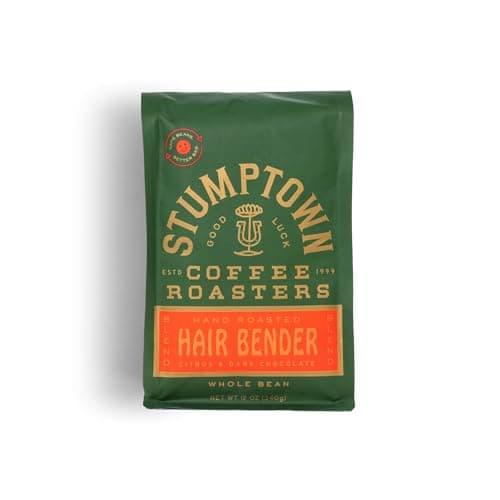
There is no legal definition of an "espresso bean." The same coffee cherry can end up in a light pour-over roast or a dark espresso blend — the label is telling you about roast level and blend, not the bean itself. Coffees sold for espresso are usually roasted medium-to-dark and blended for body, because that profile dissolves cleanly under pressure, tastes sweet rather than sour when brewed fast, and throws the thick crema people associate with a good shot. That is why the medium and dark roasts on this list are the most forgiving. You can pull espresso with a bright, light specialty roast like the Stumptown Hair Bender — and it can be spectacular — but light roasts are denser and fussier, so they demand a finer grind and more careful technique. If you are still learning to pull a shot, start with a medium-to-dark bag and read how to pull an espresso shot before you chase the tricky stuff.
Freshness beats the famous name
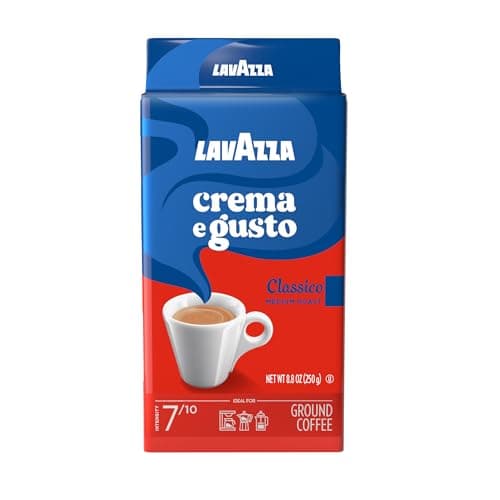
This is the point we cannot repeat enough: a fresh, ordinary bag beats a stale, legendary one. Ground coffee starts losing its best aromatics within minutes, and even whole beans fade over a few weeks past their roast date. So buy whole bean, check for a roast date rather than only a "best by" date, and buy a quantity you will finish in two to four weeks. Then grind immediately before each shot with a burr grinder — a blade grinder produces uneven particles that ruin extraction. This is also why the one pre-ground pick here, Lavazza Crema e Gusto, scores lower on freshness: it is genuinely convenient, but the moment coffee is ground the clock starts. When a fresh bag still pulls sour or bitter, the fix is almost always the grind, not the beans — dial it in with our espresso grind size guide.
Which bag is right for you
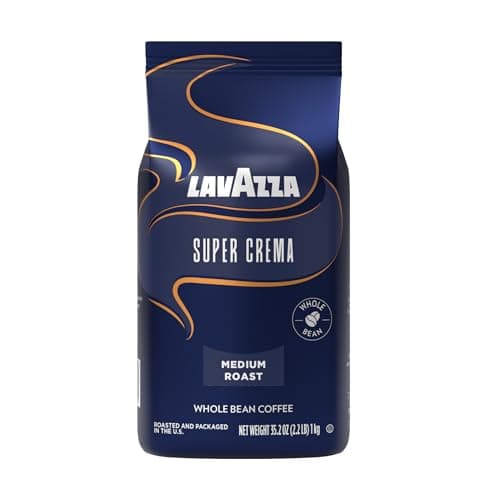
- Want the safest, most crema-rich daily shot? Lavazza Super Crema. It is our overall pick for a reason.
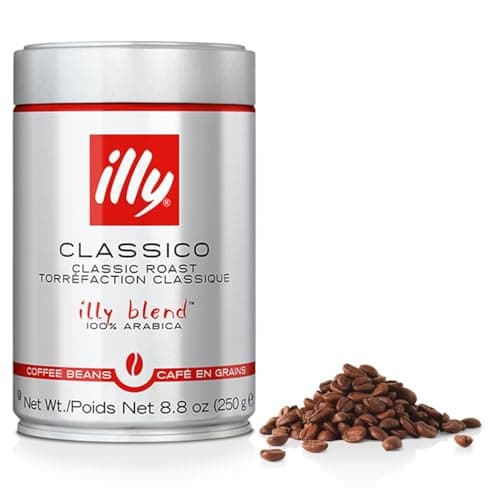
- Want smooth, refined consistency? Illy Classico, the Italian benchmark.
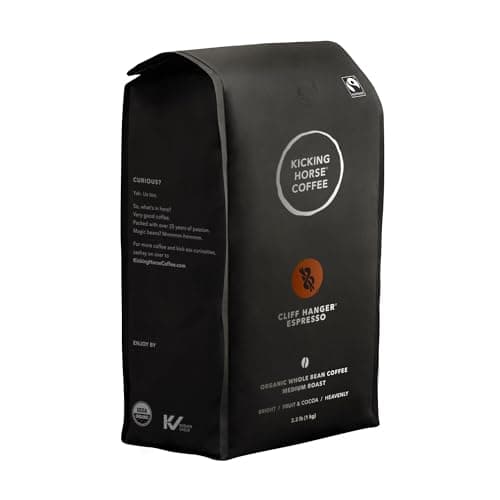
- Want certified organic and fair trade? Kicking Horse Cliff Hanger.
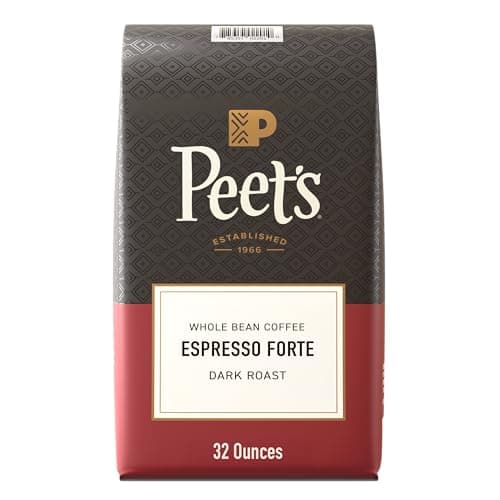
- Want a bold, dark, milk-cutting shot?Peet's Espresso Forte.
- Want the most interesting, complex cup? Stumptown Hair Bender.
- No grinder yet? Lavazza Crema e Gusto (pre-ground), as a bridge.
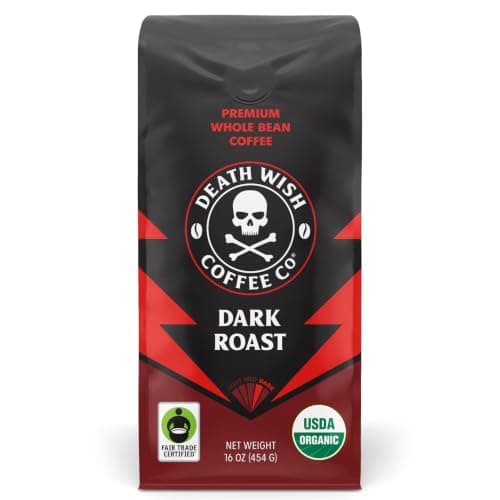
- Want maximum caffeine? Death Wish Coffee.
These same beans work beautifully beyond an espresso machine, too. If you brew on the stove, a medium-to-dark bag like the Super Crema or Crema e Gusto is a natural fit for our best moka pots. And if you want to see how we arrive at these rankings, our methodology explains exactly what the scores do and do not mean.
Does it have to say “espresso” on the bag?
No — and that is worth understanding before you shop, because it widens the field enormously. Can you use regular coffee beans for espresso? explains why “espresso roast” is a roast style rather than a different bean, what actually decides whether a bag pulls well (freshness, roast level and grind), and how to adjust your recipe when you take a filter-intended coffee to the machine.
How we picked
We did not lab-test this gear
Everyone in this category says they tested twenty machines. We have not pulled shots on every product here, and we say so. What we did instead: compiled the published specifications, cross-checked the manufacturer manuals, computed the running cost (wattage to energy, grams-per-shot to cost-per-cup), weighed aggregated owner reports, and scored each product against a published rubric. The scores are judgments from documented research — not measurements we took, because we do not have a test lab and we will not pretend we do. Where hands-on time would tell you more than a spec sheet, we flag it. Where a number came from someone else's work, we name them in Sources.