Learn
Learn home espresso, without the jargon
Straight, technique-first answers to the questions that come before (and after) a purchase — how to pull a shot, what grind to use, and what gear actually solves the problem.
Good espresso at home is not hard, but it is specific, and almost every problem beginners hit has a known cause and a known fix. This hub is the part of the site that teaches the craft rather than sells the gear — how the shot actually works, what each variable does, and how to fix the shot that came out wrong. Everything here is written to be genuinely useful whether or not you buy anything, and every guide links to the specific gear that solves the problem it describes, so 'my shots gush and taste sour' turns into 'here is why, and here is the grinder or the WDT tool that fixes it.'
The mental model that makes espresso click is a recipe with three numbers: the dose (grams of coffee going in, usually 18–20 for a double), the yield (grams of espresso coming out, usually about double the dose), and the time (roughly 25–30 seconds). When a shot tastes wrong, one of those numbers, or the grind that controls them, is off. Too fast and sour means grind finer; too slow and bitter means grind coarser. That single feedback loop — taste, adjust the grind, pull again — is the whole game, and our how-to-pull-a-shot and grind-size guides walk through it step by step with the actual numbers to start from.
The guides also answer the questions people ask before spending money, honestly and without steering you toward the most expensive answer. Do you need a dedicated grinder for espresso? (Yes, and the guide explains exactly why a blade grinder cannot do it.) What grind size should espresso be? (Fine, and there is a simple way to find your setting without wasting a whole bag of beans.) How do you choose between a single and double boiler, a pump and a lever, a manual machine and a bean-to-cup? Each of these has a clear guide that lays out the real tradeoffs, tells you which choice fits which kind of coffee drinker, and points to the roundups where we have already done the picking.
The throughline across all of it is the same honesty that runs through the rest of the site: we explain the technique we actually understand, cite the standards and manuals where precision matters, and tell you when hands-on time with a specific machine would teach you something a guide cannot. Start with how to pull an espresso shot if you have a machine and want better results today, or with 'do you need a grinder for espresso' if you are still assembling your setup and want to spend the budget in the right order. Newer guides go deeper on technique and fixes: how to steam milk for lattes at home, and why your espresso tastes sour or bitter (and how to fix it). A growing library also covers how to make a latte, how to descale your machine, the coffee-to-water ratio, how to make Turkish coffee and cold brew, coffee vs espresso, single vs double boilers, and the types of coffee drinks. The newest guides go deeper on the craft: how to dial in espresso, how to tamp, fixing channeling, puck prep, what a portafilter is, pressurized vs unpressurized baskets, diagnosing pressure problems, single vs double shots, backflushing, making a cappuccino, frothing milk without a steam wand, and storing coffee beans.
The reference page this site should always have had: portafilter size by brand and model. It is a lookup table rather than an essay — every common Breville, Gaggia, De'Longhi, Rancilio and Chefman machine mapped to 51mm, 54mm or 58mm, with the basket that ships in the box and a plain note on which manufacturers publish the figure and which leave you guessing (De'Longhi never publishes it; Chefman leaves it to the retailers). It also names the models with no portafilter at all, and the odd sizes — 53mm on the Ninja Luxe Cafe, 49mm on the old La Pavoni levers — that catch people out. Find your number there, then use the matching 51mm, 54mm or 58mm accessories page to buy the parts that fit it.
We also answer five questions the site had not covered directly: whether you can use regular coffee beans for espresso, how to make espresso without a machine, what to do when the machine leaks around the portafilter, the difference between cleaning and descaling (and why the chemicals are not interchangeable), and how to clean a coffee grinder without wrecking it.
New this round, five more: how to clean a portafilter and basket, which is the page a site with this name should always have had - rancid coffee oil on your equipment is the most common reason good beans taste stale, and the fix is a weekly detergent soak and a brush, not the descaler people reach for. AeroPress grind size, which explains why published recipes disagree so violently (grind and steep time trade against each other, so three very different settings all work) and gives all three. Are puck screens worth it, an honest assessment that separates the real benefit - a shower screen that stays clean - from the channeling claims that do not hold up. Burr vs blade grinders, the mechanism behind the advice the rest of the site gives in passing, including what makes a grinder espresso-capable and why conical versus flat matters far less. And espresso machine not pumping water, a fault tree in likelihood order that starts with the two free fixes - re-seat the tank, purge the airlock through the steam wand - before anyone spends money on a pump.
We earn a commission when you buy through our Amazon links, at no extra cost to you. It never changes a verdict, and we say so when the cheaper product is the better buy. How this works.
Everything in this hub
All guides
All 56 of our guides pages are listed below — nothing is paginated, filtered or hidden behind a “load more”.
Buyer's guide
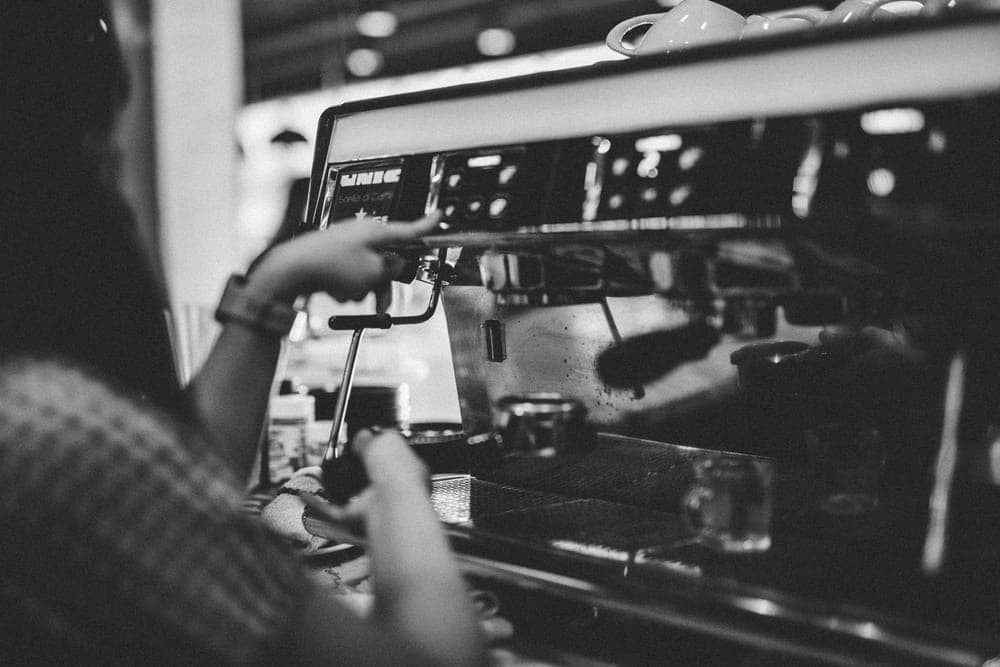
How to Pull an Espresso Shot
The repeatable recipe for a good shot: dose in, yield out, time on the clock — plus a troubleshooting table for reading and fixing a bad pull by taste.
Read the guide →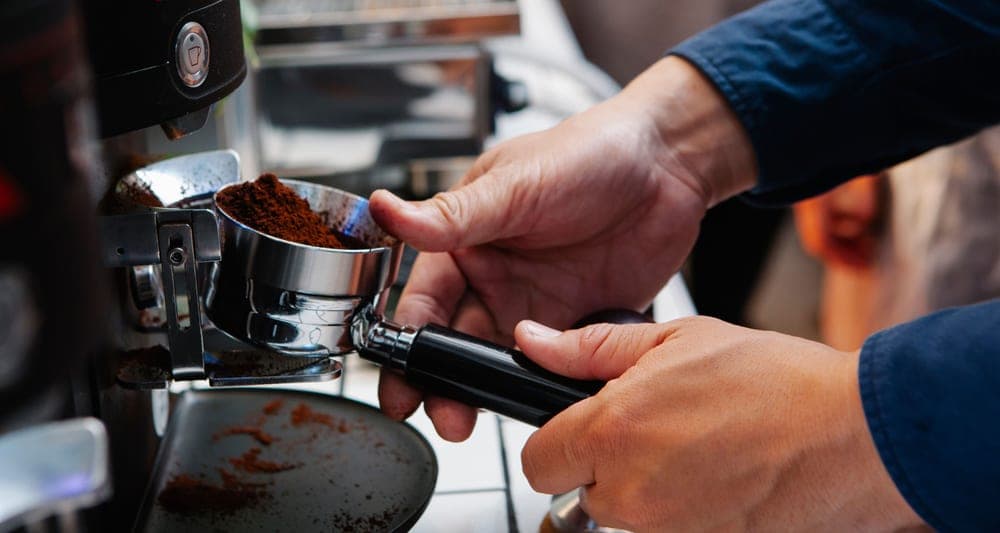
Buyer's guide
What Grind Size for Espresso?
Espresso is a fine grind, close to powdered sugar. Why it matters, how to dial it in by taste without wasting beans, and a grind-size chart for every brew method.
Read the guide →
Buyer's guide
Do You Need a Grinder for Espresso?
Yes — a burr grinder is essential for espresso. Why pre-ground and blade grinders fail, what burr grinders fix, and the case for buying the grinder before the machine.
Read the guide →
Buyer's guide
How to Choose an Espresso Machine
A plain-English buyer's guide to boilers, pump vs lever, semi vs super-automatic, portafilter sizes and baskets — plus the budget rule that decides your shot quality.
Read the guide →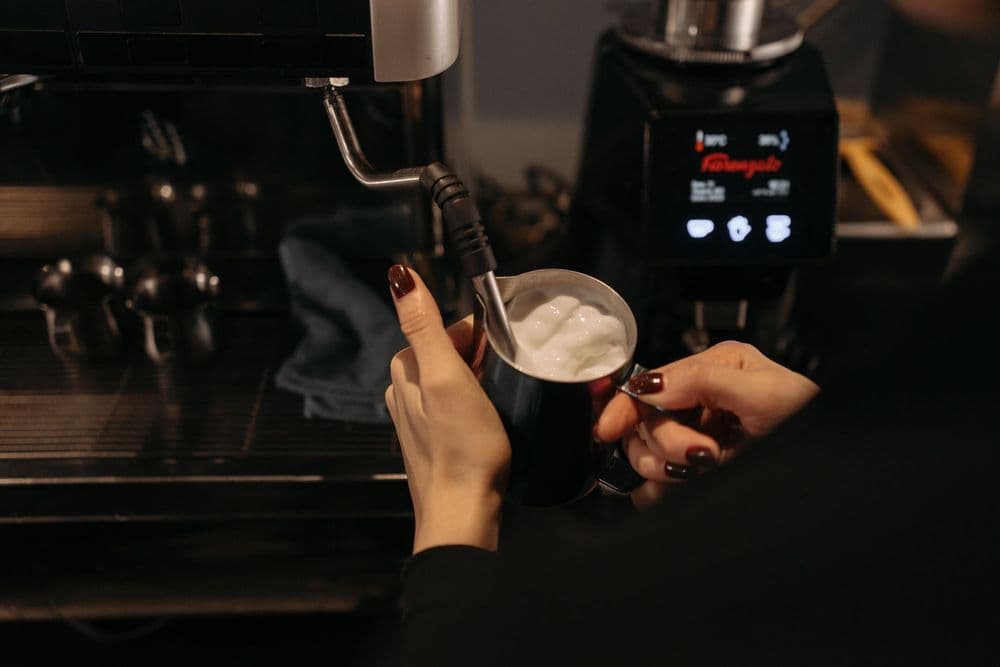
Buyer's guide
How to Steam Milk at Home
Silky microfoam in two phases: stretch a little air in near the surface, then texture the milk into a whirlpool. Wand depth and angle, when to stop by feel, and which milk froths best.
Read the guide →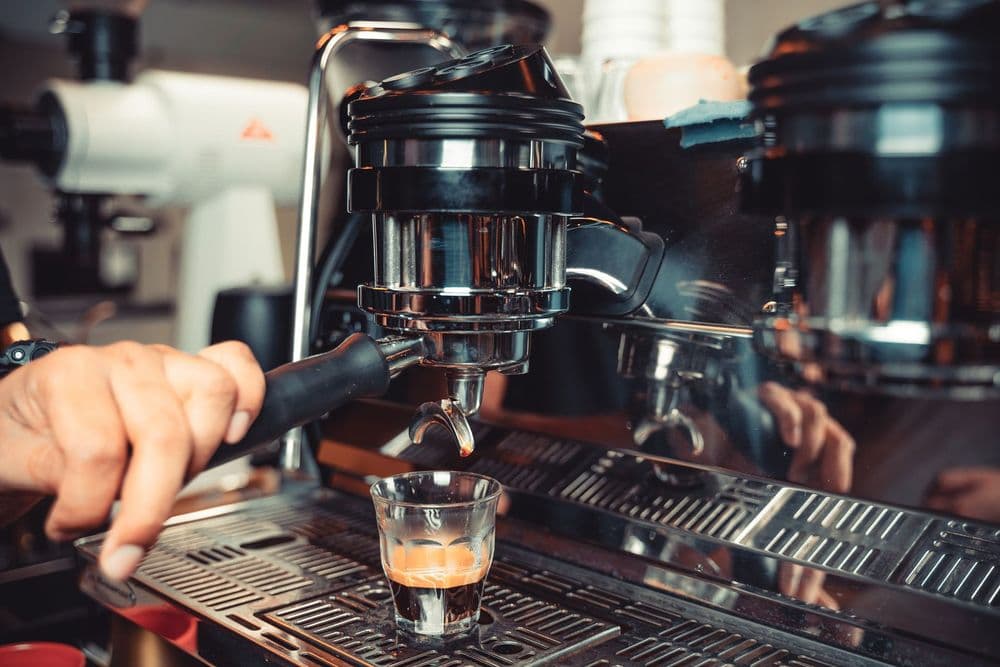
Buyer's guide
Why Is My Espresso Sour or Bitter?
Sour = under-extracted (grind finer); bitter = over-extracted (grind coarser). The one rule, the dose-yield-time recipe, symptom-by-symptom fixes, and why channeling makes a shot taste sour and bitter at the same time.
Read the guide →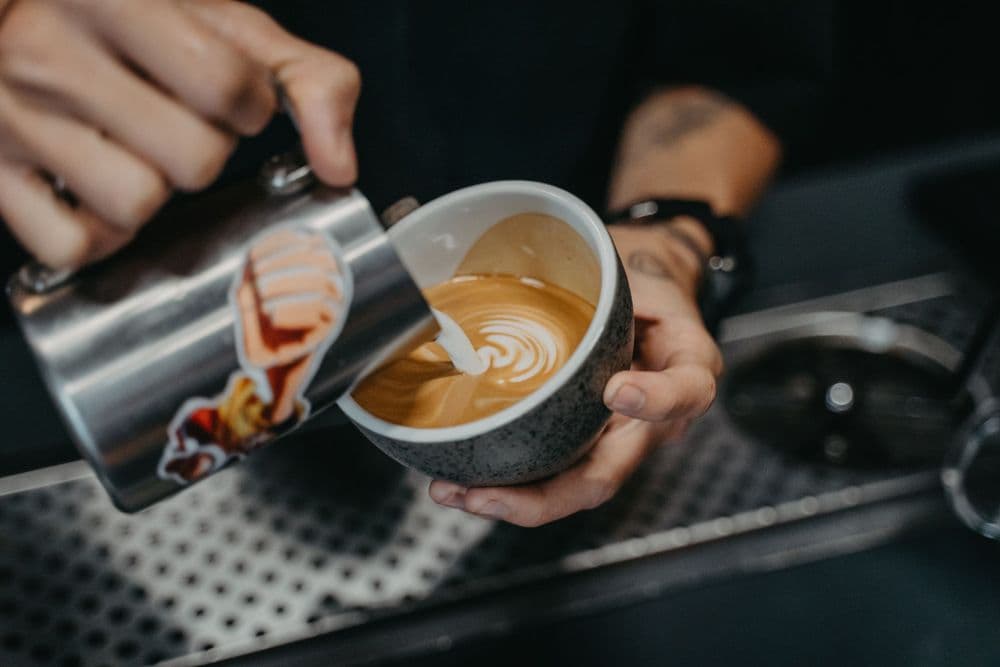
Buyer's guide
How to Make a Latte at Home
The three-move recipe for a cafe latte at home: pull the shot, steam milk to silky microfoam, then pour. The ratio, pouring basics, best milks, and common fixes.
Read the guide →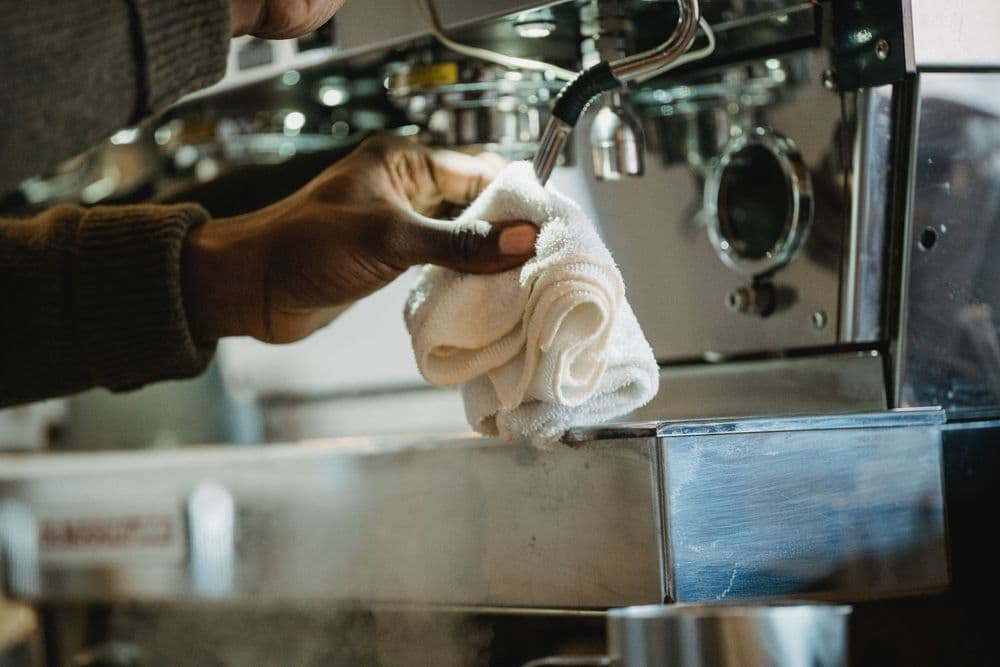
Buyer's guide
How to Descale an Espresso Machine
Scale from hard water clogs the boiler and slows heat-up until a machine fails. Here is what descaling does, how often to do it, a safe step-by-step cycle, and why to skip the vinegar.
Read the guide →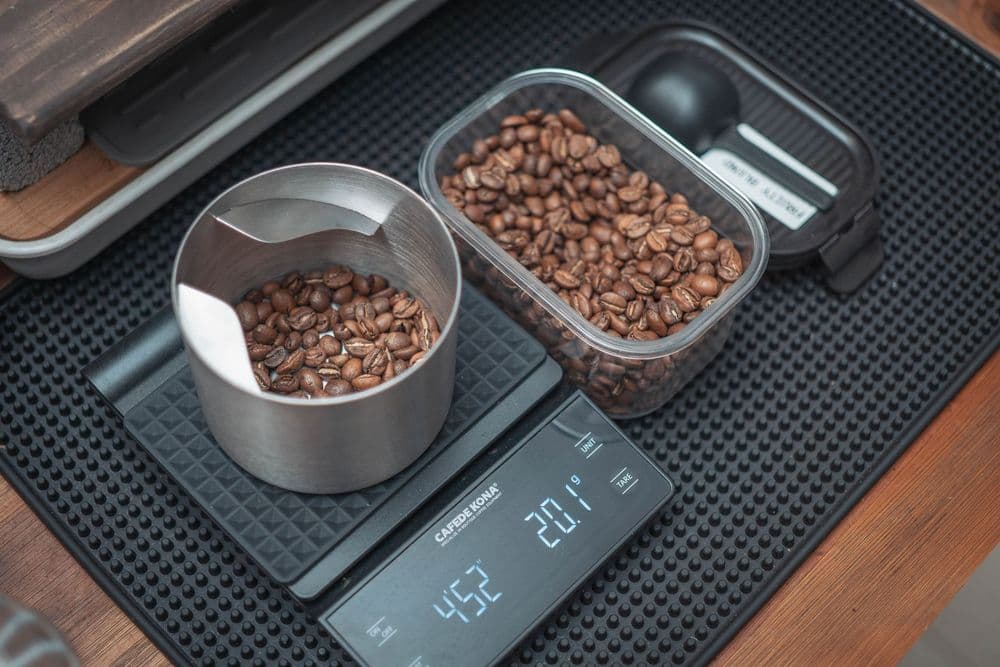
Buyer's guide
Coffee to Water Ratio
The golden ratio explained, by method: filter about 1:15 to 1:18, French press about 1:15, espresso about 1:2, cold brew a concentrate. Measure by weight, then dial strength to taste.
Read the guide →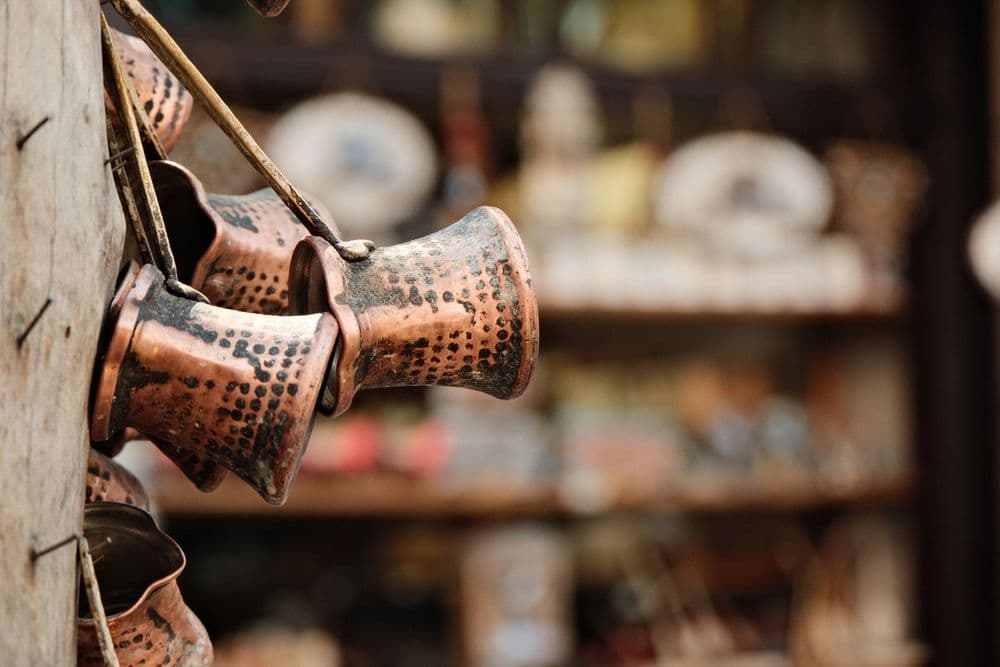
Buyer's guide
How to Make Turkish Coffee
The traditional cezve method, step by step: the powder-fine grind, the cup-measured ratio, sugar added at the start, gentle heat that never boils, and how to raise the foam.
Read the guide →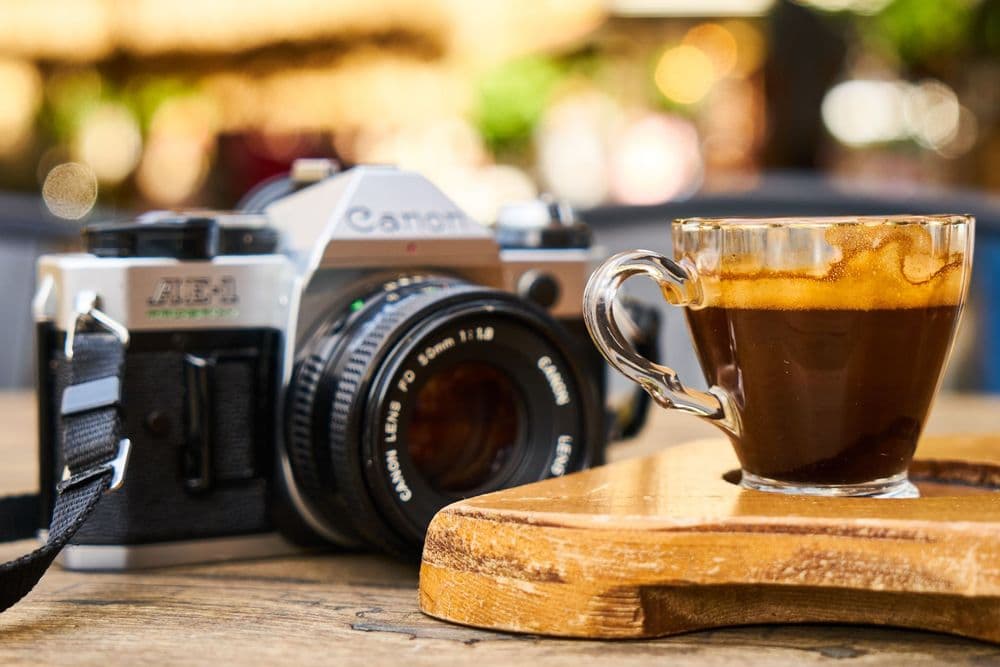
Buyer's guide
Coffee vs Espresso: What's the Difference?
Espresso is a brewing method, not a bean. How pressure, grind and serving size separate a concentrated shot from a mug of drip — plus which one really has more caffeine.
Read the guide →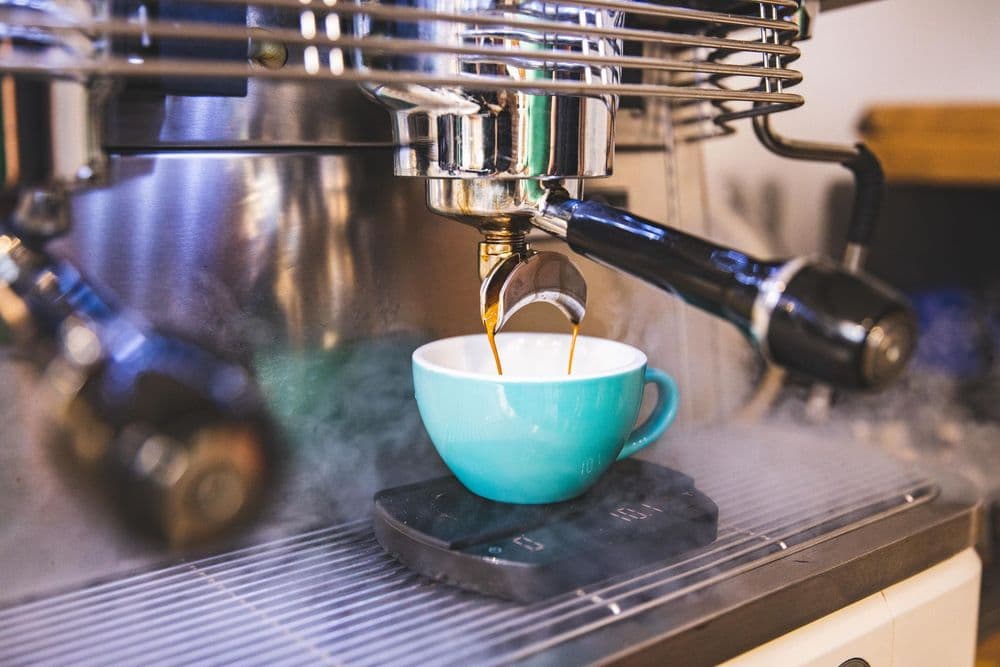
Buyer's guide
Single Boiler vs Double Boiler Espresso Machines
Single boiler, heat exchanger, dual boiler and thermoblock explained plainly: how each handles brewing and steaming, what you wait for, and which one you actually need at home.
Read the guide →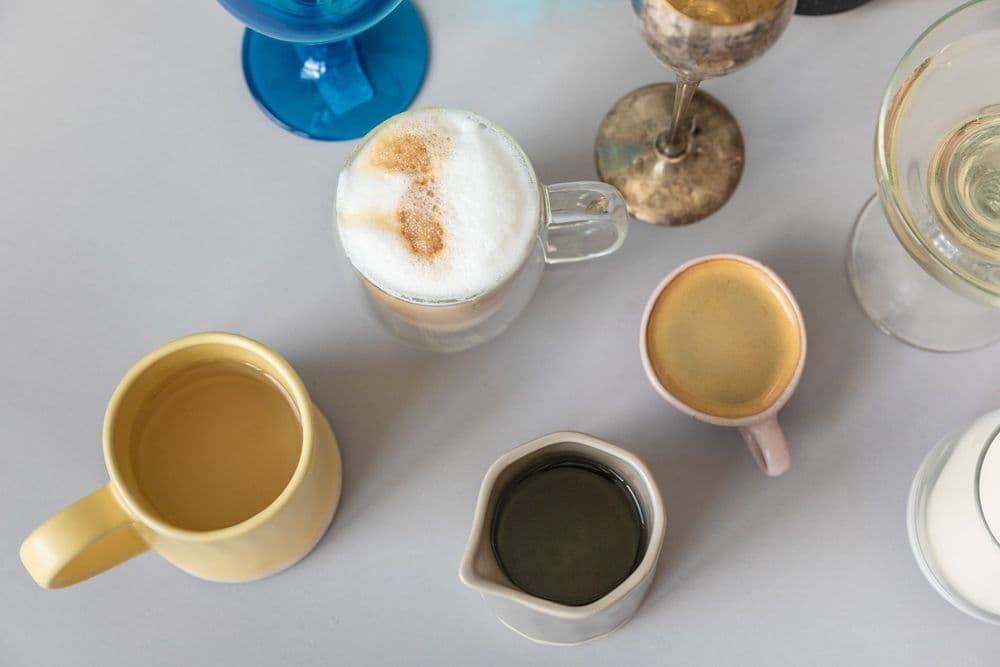
Buyer's guide
Types of Coffee Drinks Explained
Espresso, ristretto, americano, macchiato, cortado, flat white, latte, cappuccino, mocha and the cold ones — defined by their espresso-to-milk-to-foam ratios, with honest approximate numbers.
Read the guide →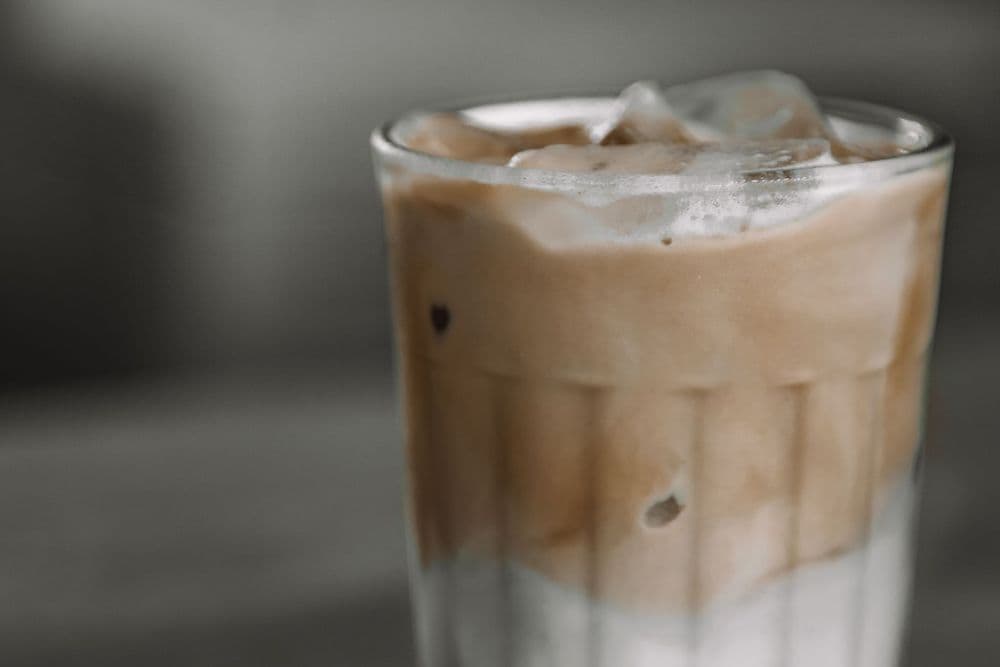
Buyer's guide
How to Make Cold Brew Coffee at Home
Smooth, low-acid cold brew is coarse grounds steeped in cold water for 12 to 24 hours, then strained. The concentrate ratio, the method, storage, and cold brew vs iced coffee.
Read the guide →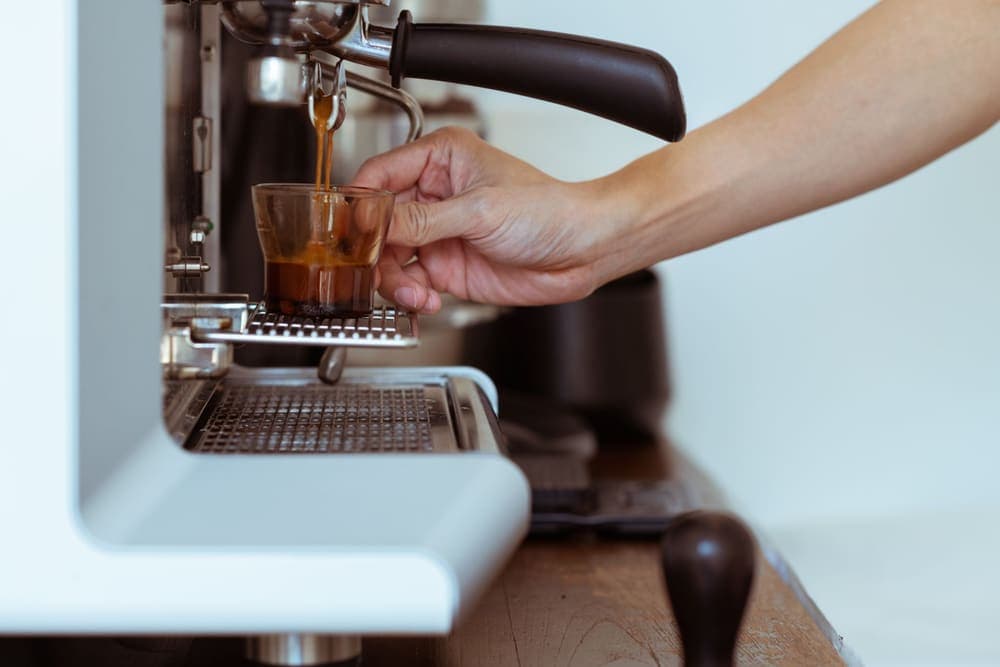
Buyer's guide
How to Dial In Espresso
The beginner skill that unlocks good espresso: set a 1:2 ratio, aim for a 25-30 second shot, and adjust grind one step at a time using taste - sour means under-extracted, bitter means over.
Read the guide →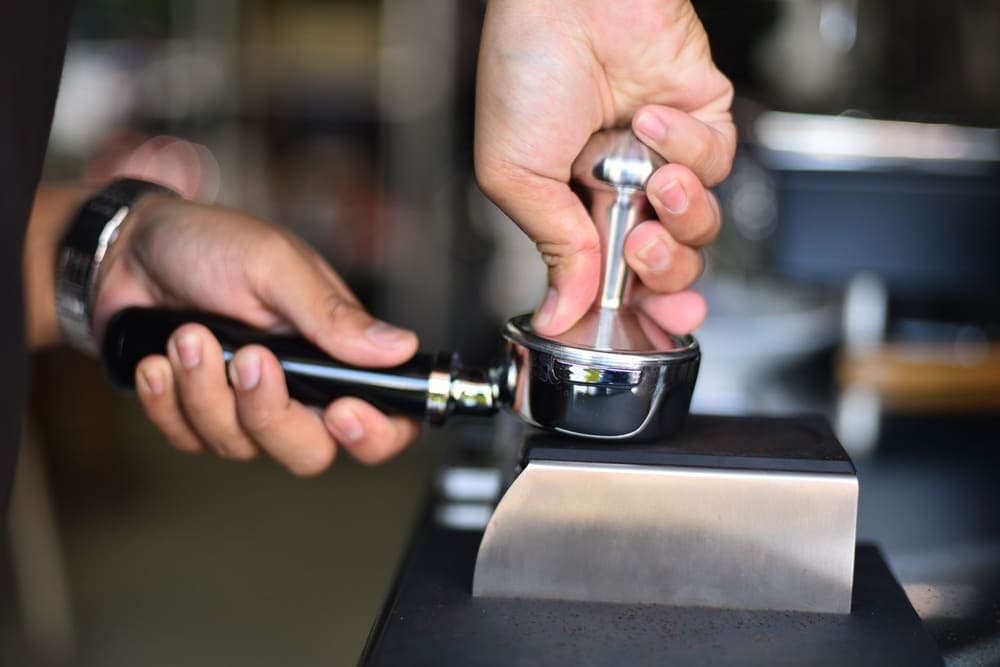
Buyer's guide
How to Tamp Espresso
How to tamp espresso properly: get the bed level and use the same firm pressure every shot. Why 30 lb is a myth, whether polishing and nutating help, and the faults to avoid.
Read the guide →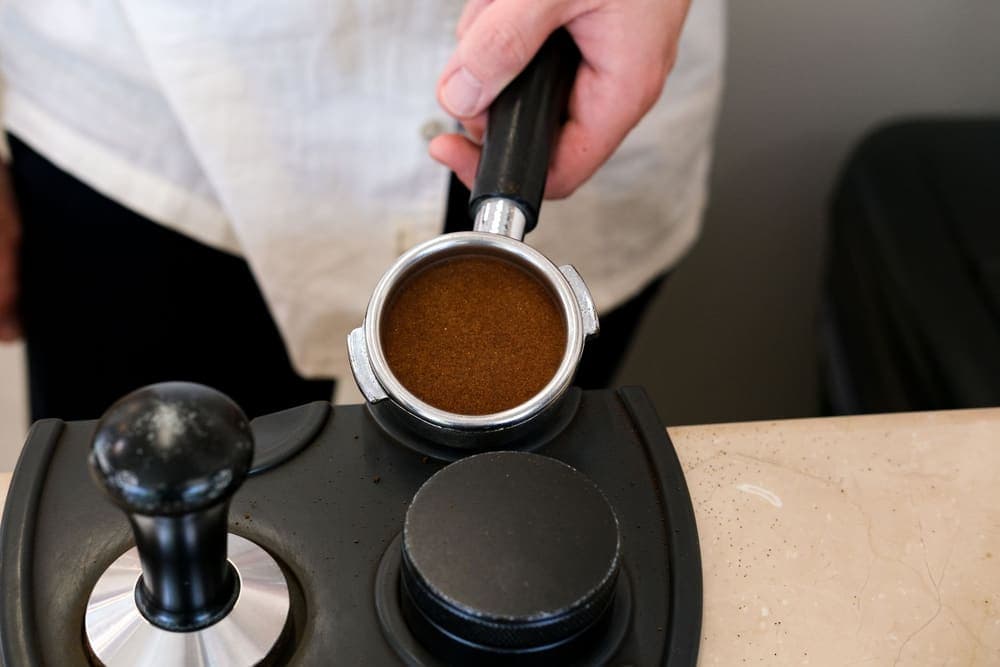
Buyer's guide
How to Fix Espresso Channeling
Channeling is when water tunnels through the espresso puck instead of soaking it evenly, so the shot sprays and tastes both sour and bitter. The real causes and the fixes that work.
Read the guide →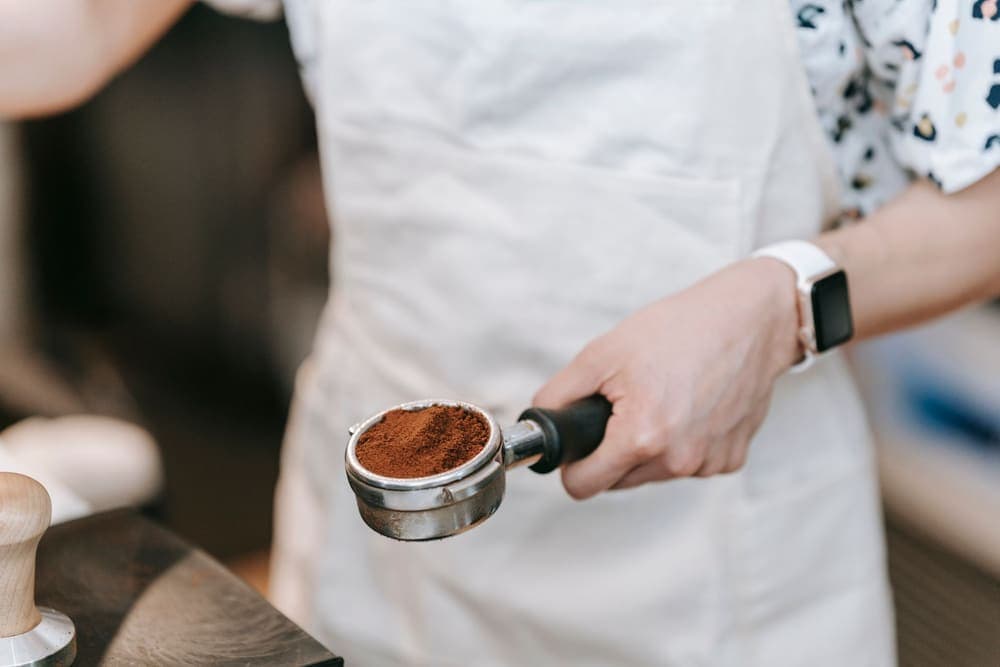
Buyer's guide
Espresso Puck Prep: The Full Routine
Puck prep is dose, distribute, level, tamp - everything you do to the coffee before pulling the shot. The full routine, plus an honest read on which steps change the cup and which are ritual.
Read the guide →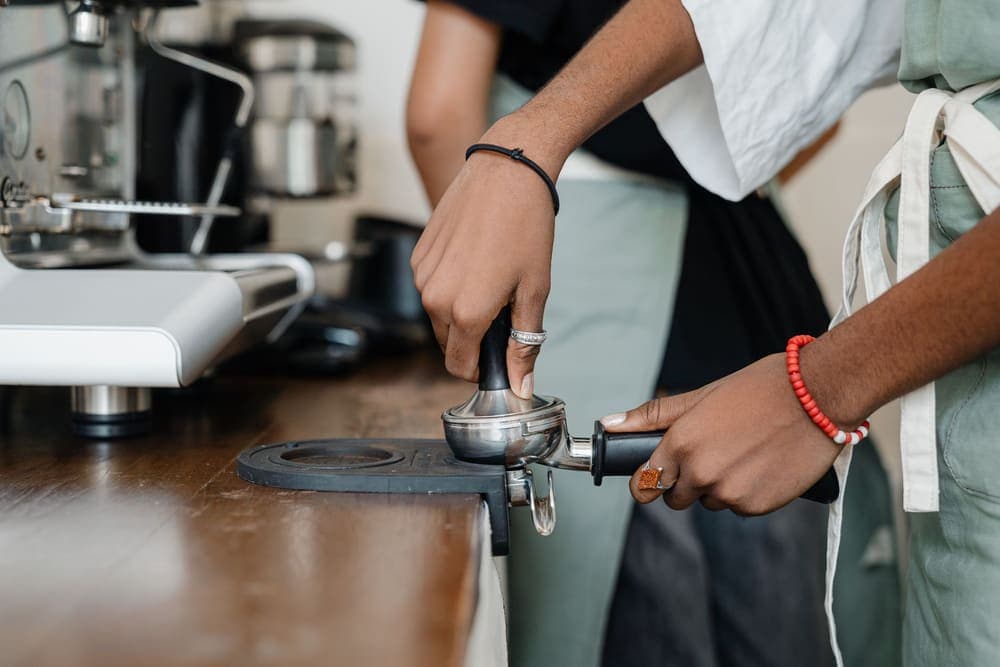
Buyer's guide
What Is a Portafilter?
The handle-and-basket you lock into the group head, explained end to end: spouted vs bottomless, single vs double, pressurized vs unpressurized, and 49/54/58mm sizing.
Read the guide →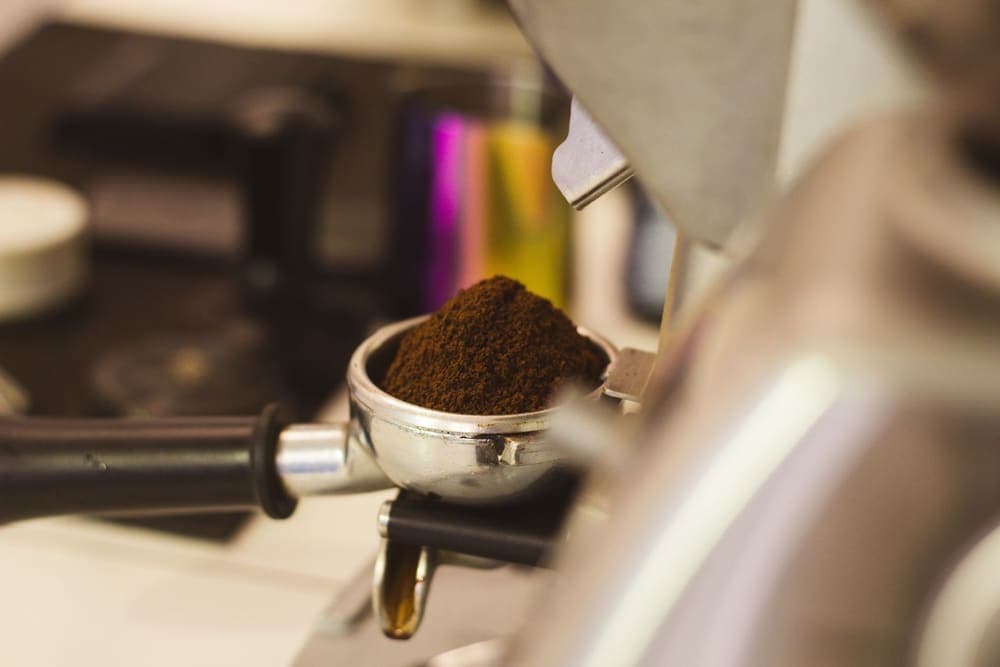
Buyer's guide
Pressurized vs Unpressurized Baskets
Dual-wall (pressurized) baskets fake crema and forgive a bad grind; single-wall (unpressurized) baskets reward a good grinder with real espresso. When to upgrade, and how.
Read the guide →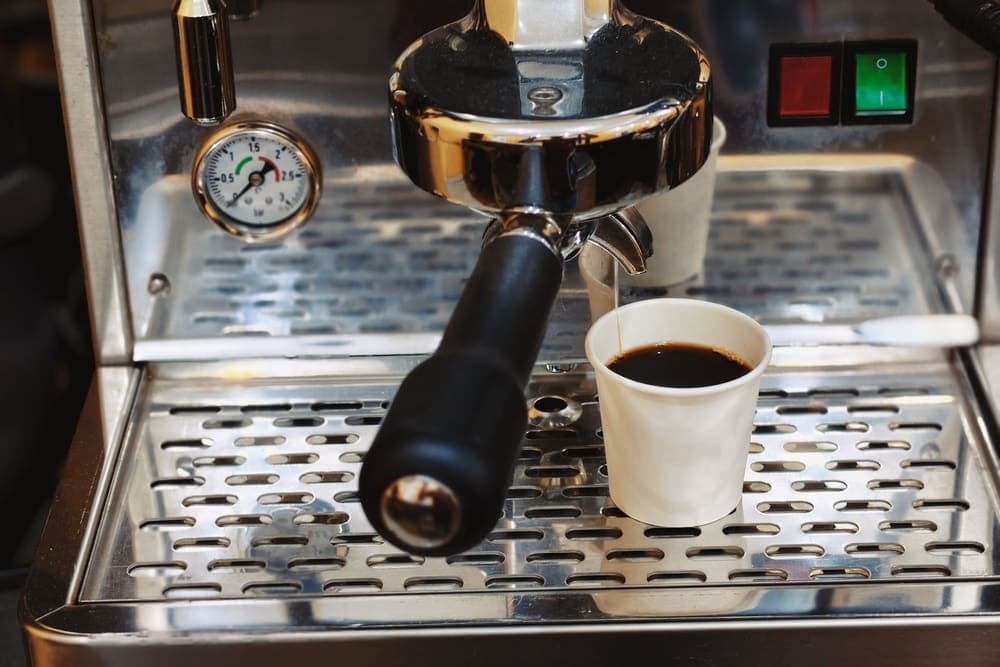
Buyer's guide
Espresso Pressure Problems, Diagnosed
Diagnose espresso pressure problems by symptom: a shot that gushes, one that chokes and won't flow, and a loud pump with no pressure. The 9-bar target and honest fixes.
Read the guide →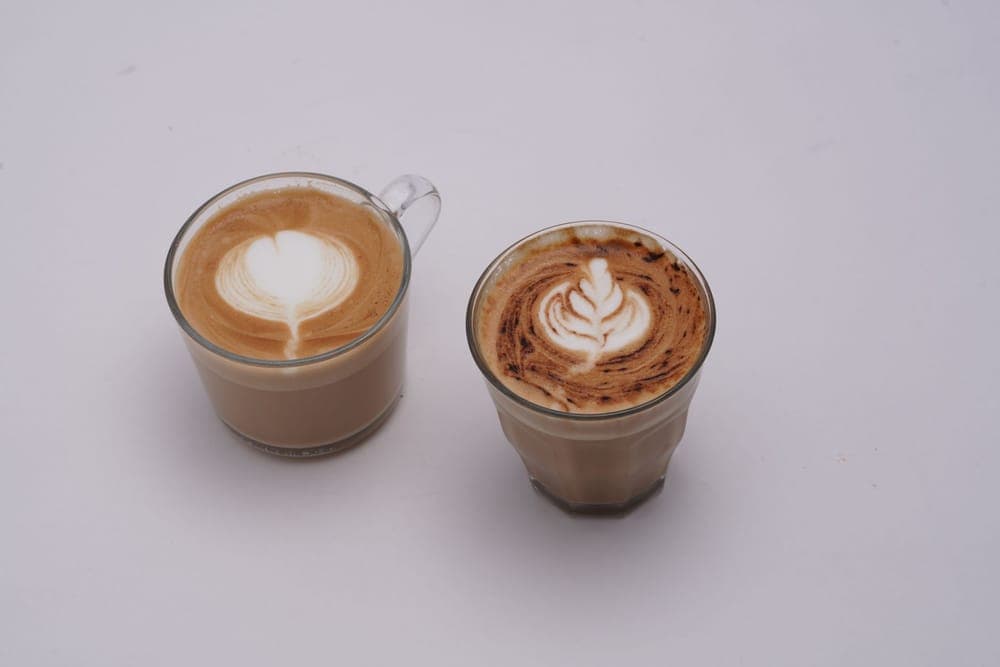
Buyer's guide
Single vs Double Shot Espresso
Single vs double shot espresso: the dose (~7-9g vs ~16-18g), the ratio, why baristas default to doubles, and how the basket in your portafilter decides which you pull.
Read the guide →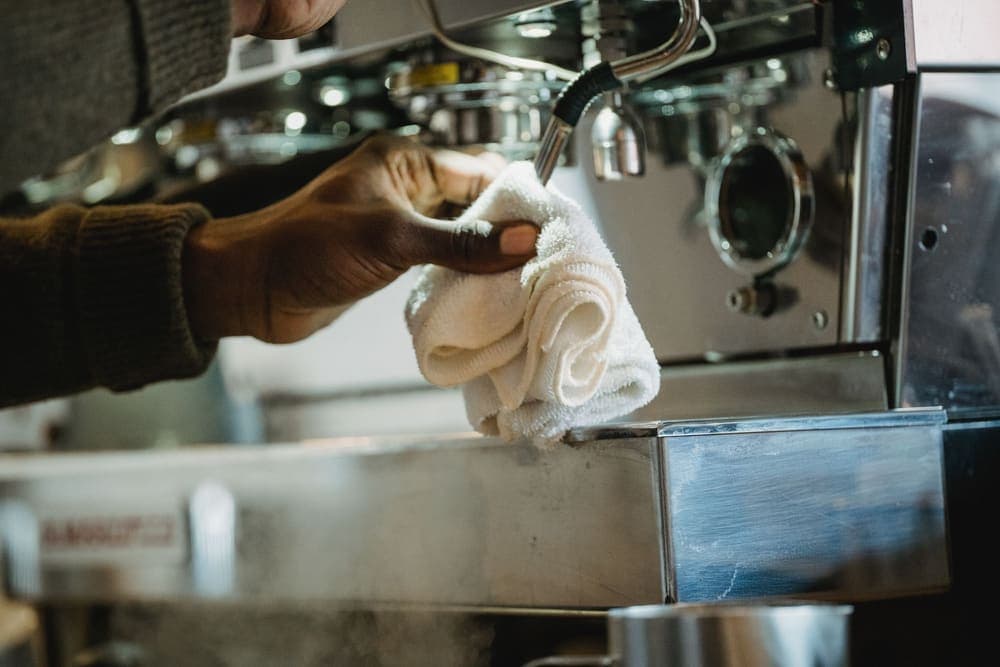
Buyer's guide
How to Backflush an Espresso Machine
Backflushing flushes coffee oils out of the group head and three-way valve using a blind basket and cleaner. Which machines can do it, water-only vs detergent, and how often.
Read the guide →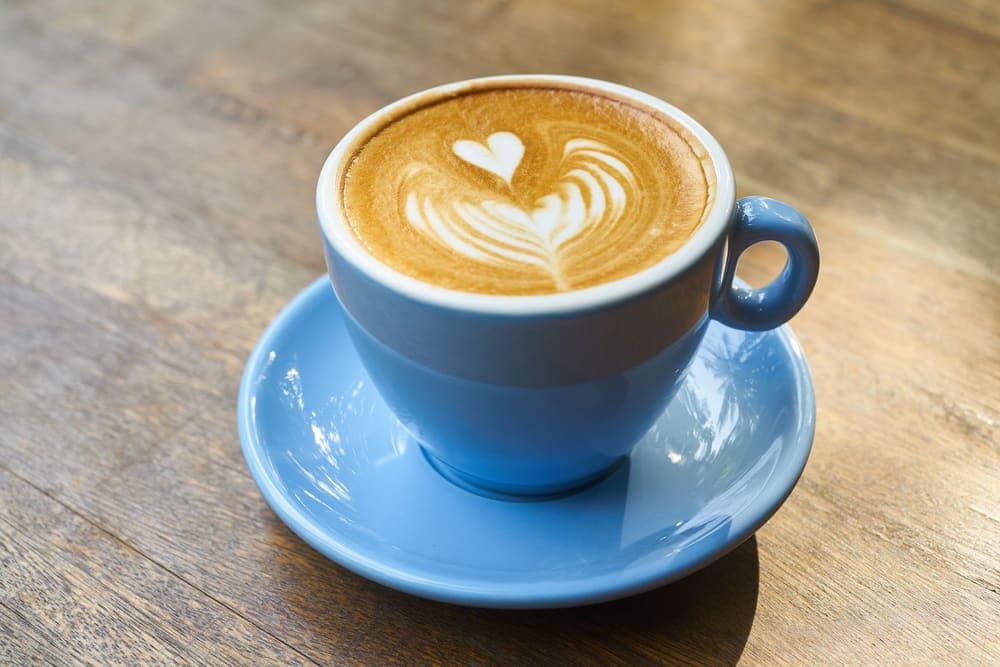
Buyer's guide
How to Make a Cappuccino at Home
The classic cappuccino at home: a double shot, milk steamed to a thicker, airier foam, poured to roughly equal thirds. The ratio, steaming, pouring, and common fixes.
Read the guide →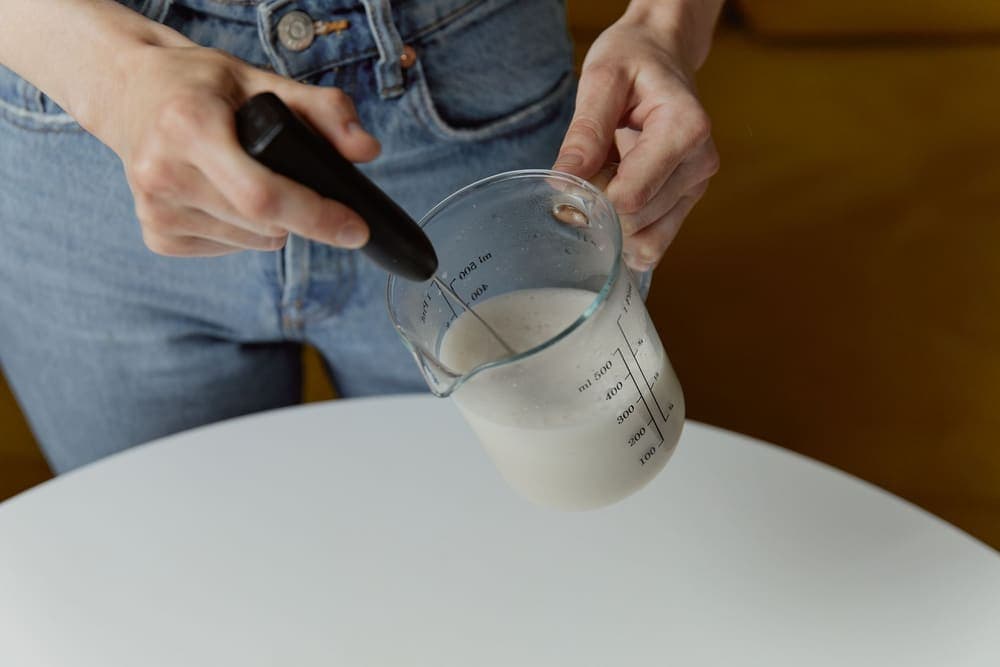
Buyer's guide
How to Froth Milk Without a Steam Wand
Five ways to froth milk with no steam wand — handheld frother, French press, jar shake, and electric standalone frothers — with the steps for each and an honest read on results.
Read the guide →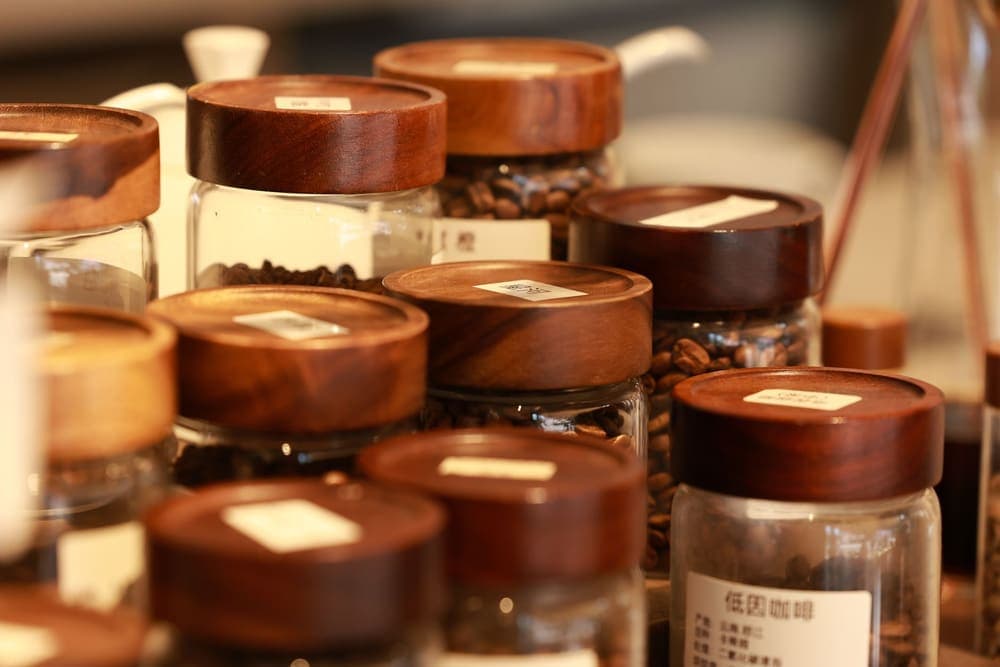
Buyer's guide
How to Store Coffee Beans
Keep beans fresh by beating their four enemies — oxygen, light, heat, moisture. Whole vs ground, whether to freeze, timing from roast date, and the airtight canisters that help.
Read the guide →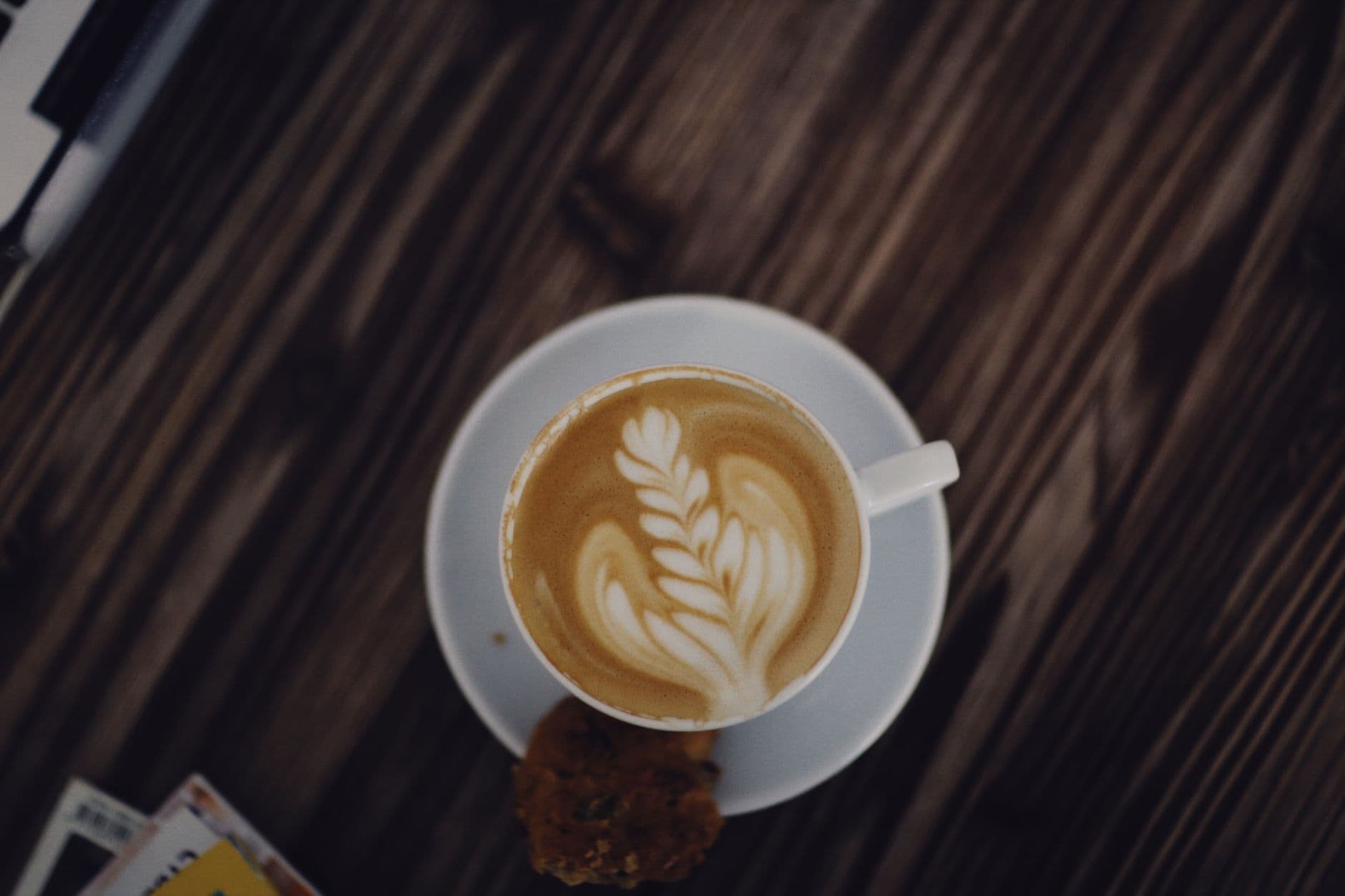
Buyer's guide
How to Make a Flat White at Home
The recipe for a flat white at home: a short, strong (often ristretto) shot topped with less milk than a latte and only a thin whisper of silky microfoam. The ratio, milk technique, and how it differs from a latte.
Read the guide →
Buyer's guide
How to Make a Cortado at Home
The recipe for a cortado at home: a double shot cut with a roughly equal volume of warm, lightly textured milk, served small (often in a Gibraltar glass) with minimal foam. The ratio and technique.
Read the guide →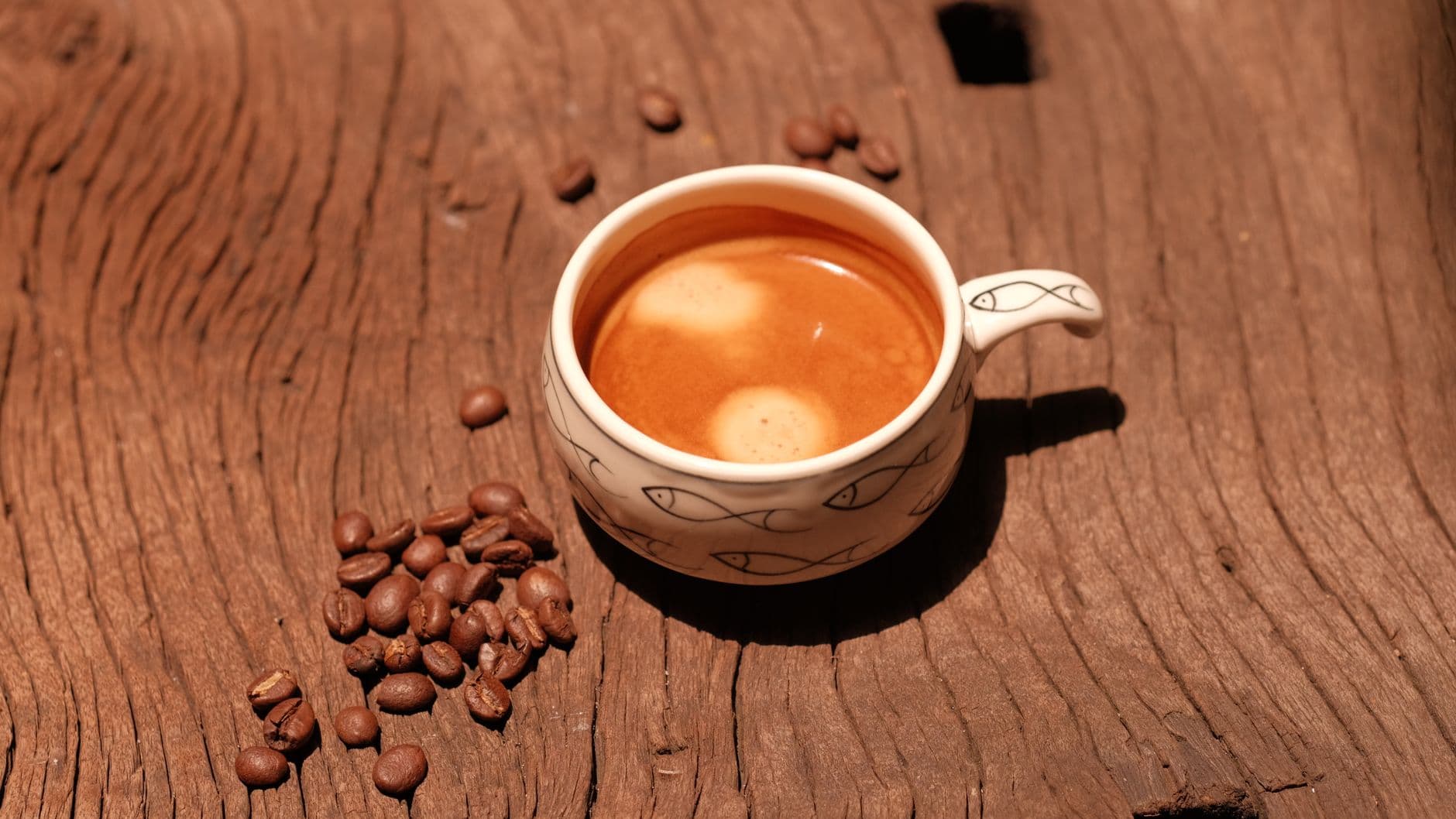
Buyer's guide
How to Make an Espresso Macchiato at Home
The recipe for a true espresso macchiato at home: a shot stained with just a dollop of milk foam, small and strong. Why it is not the same as a latte macchiato, and common mistakes.
Read the guide →
Buyer's guide
How to Make an Americano at Home
The simple recipe for an americano at home: pull a good shot, then dilute it with hot water at roughly 1 part espresso to 2-3 parts water. Ratios, water temperature, americano vs long black, and strength control.
Read the guide →
Buyer's guide
How to Make a Mocha at Home
The recipe for a caffe mocha at home: melt chocolate into a hot espresso shot, add steamed milk, and finish. The ratio, how to keep the chocolate from clumping, and dark vs milk chocolate.
Read the guide →
Buyer's guide
How to Make an Iced Latte at Home
The recipe for an iced latte at home without a watery cup: espresso, cold milk and ice built in the right order. The ratio, why hot espresso over ice is fine if built right, cold foam, and iced latte vs cold brew.
Read the guide →
Buyer's guide
What Is Crema, Really?
The reddish foam on a fresh espresso shot, explained: it is CO2 and coffee oils emulsified under pressure. Why thick crema is not proof of quality, and how grind, freshness and roast change it.
Read the guide →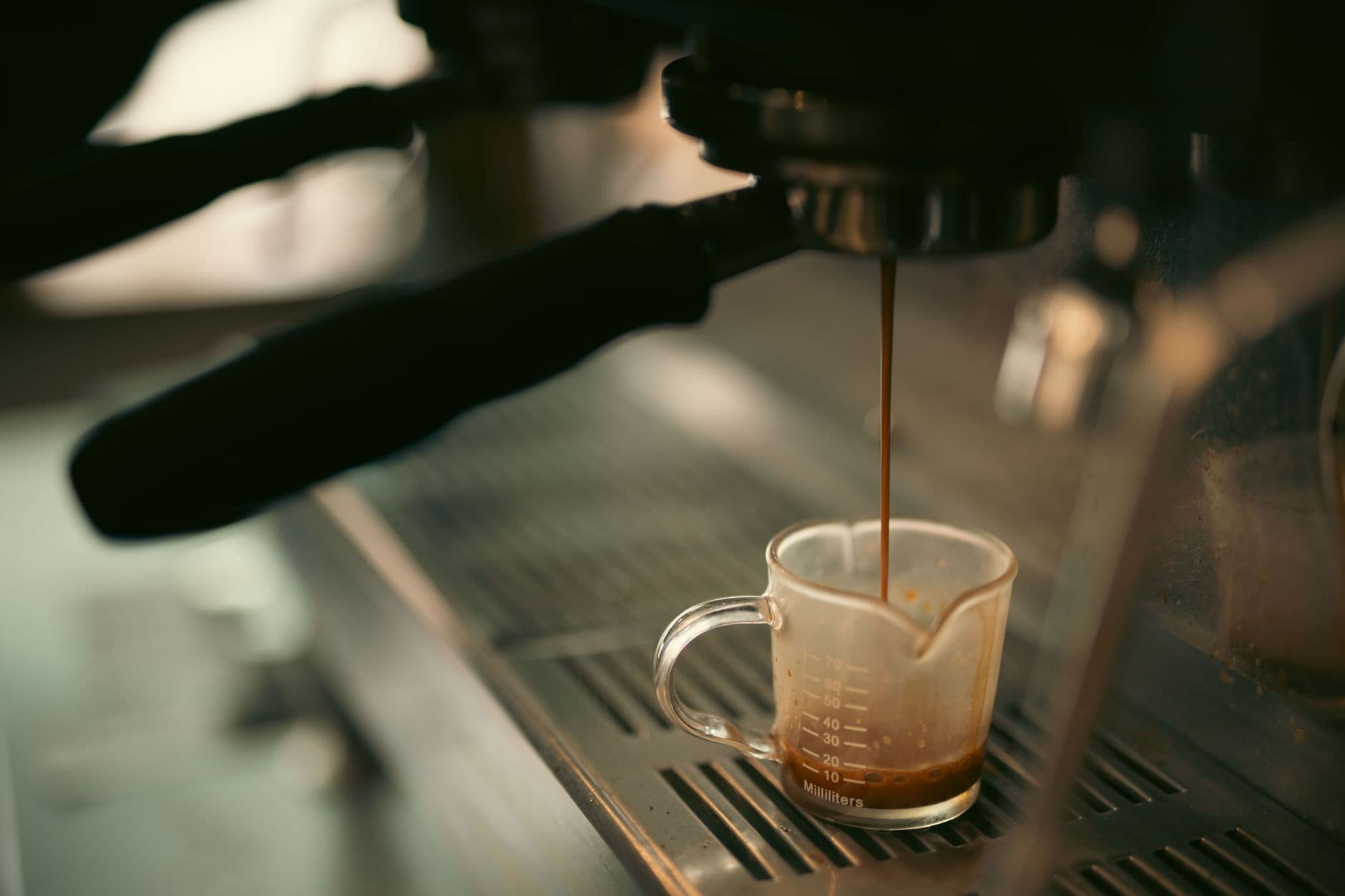
Buyer's guide
Ristretto vs Normale vs Lungo
Same dose, different yield: ristretto (~1:1), normale (~1:2) and lungo (~1:3+). How each tastes — ristretto sweeter and concentrated, lungo longer and more extracted — and how to pull each.
Read the guide →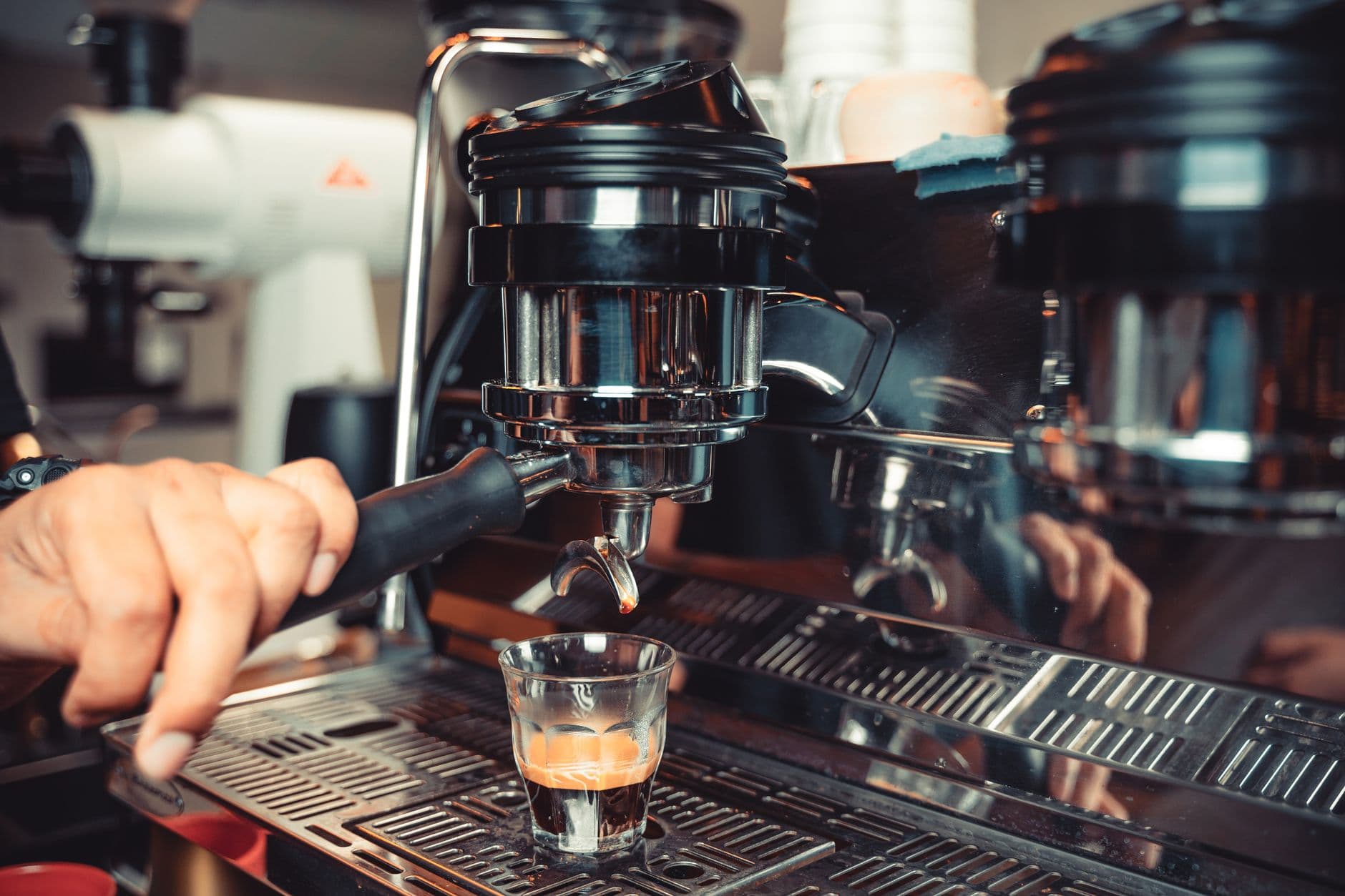
Buyer's guide
What Is Pre-Infusion?
The low-pressure wetting phase before full ~9-bar extraction: it saturates the puck evenly and reduces channeling. How manual levers, Breville machines and line-pressure groups do it, and when it helps.
Read the guide →
Buyer's guide
Water for Espresso: Taste, Minerals, and Scale
Water is most of the cup and the main cause of scale. How minerals shape espresso flavor, the SCA target range, and whether filtered, bottled, or distilled water is the right choice.
Read the guide →
Buyer's guide
How to Clean an Espresso Steam Wand
A steam wand needs three moves every time: purge, wipe immediately, purge again. The simple routine that keeps milk drinks hygienic and the wand steaming at full power — plus how to clear a clogged tip.
Read the guide →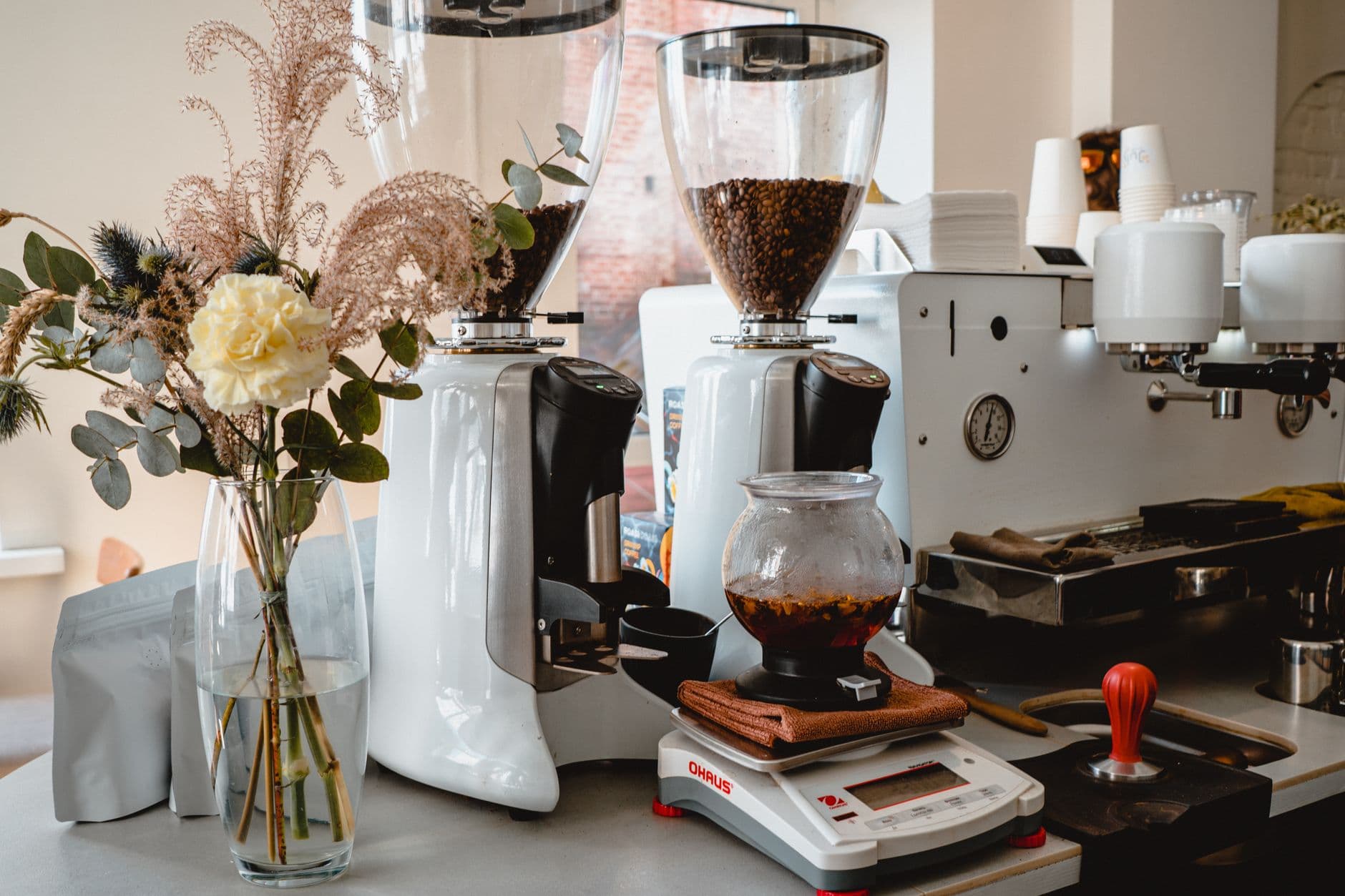
Buyer's guide
Single Dosing Explained
Weigh one shot's beans and grind them all, instead of running down a full hopper. The real pros (freshness, easy bean switching, less waste), the cons (retention, static, workflow), what RDT is, and which grinders suit it.
Read the guide →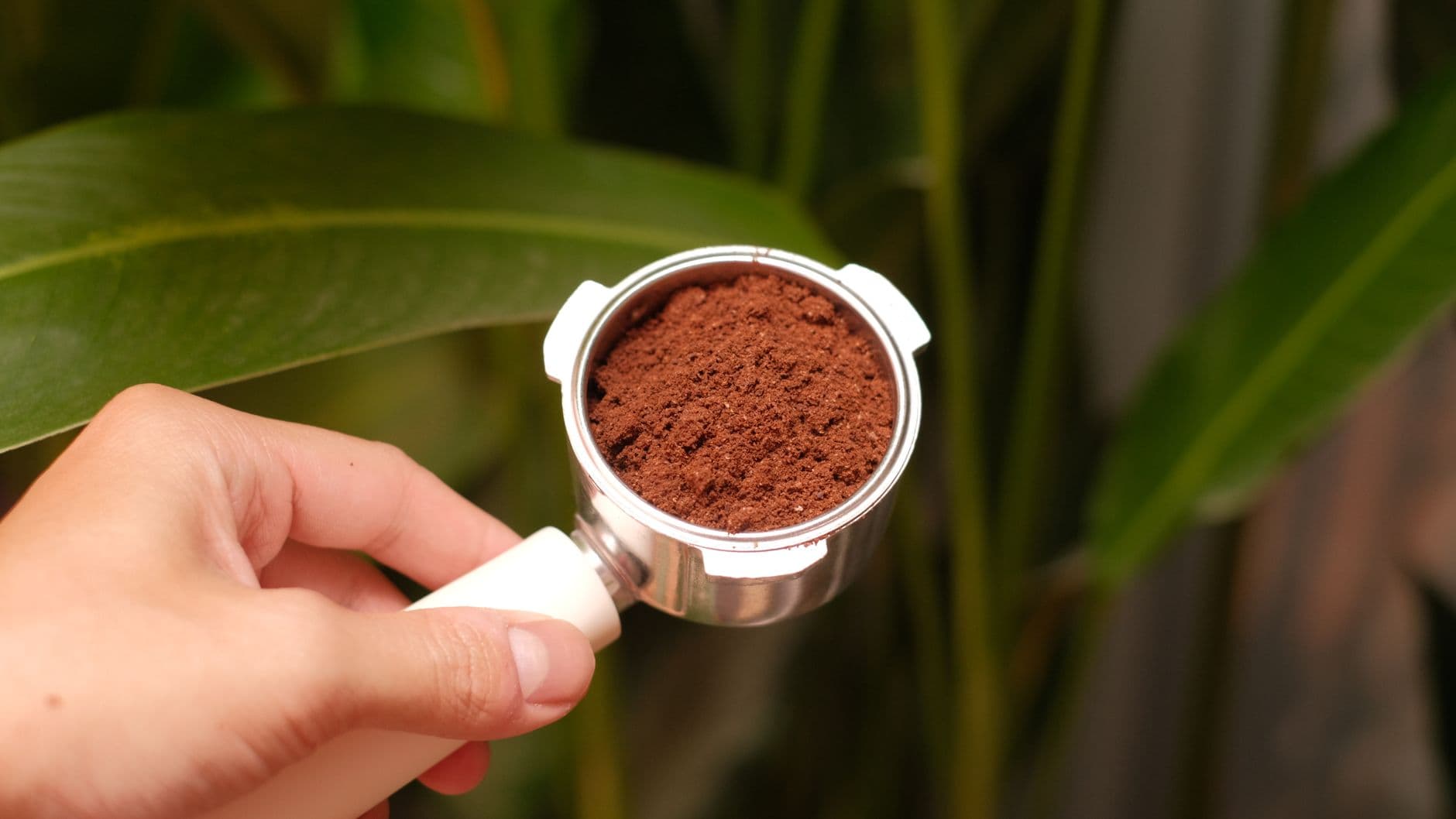
Buyer's guide
Portafilter Sizes Explained
What 49mm, 51mm, 54mm and 58mm portafilters actually mean, which machines use each size, how to measure yours, and why 58mm's only real advantage is the biggest accessory ecosystem.
Read the guide →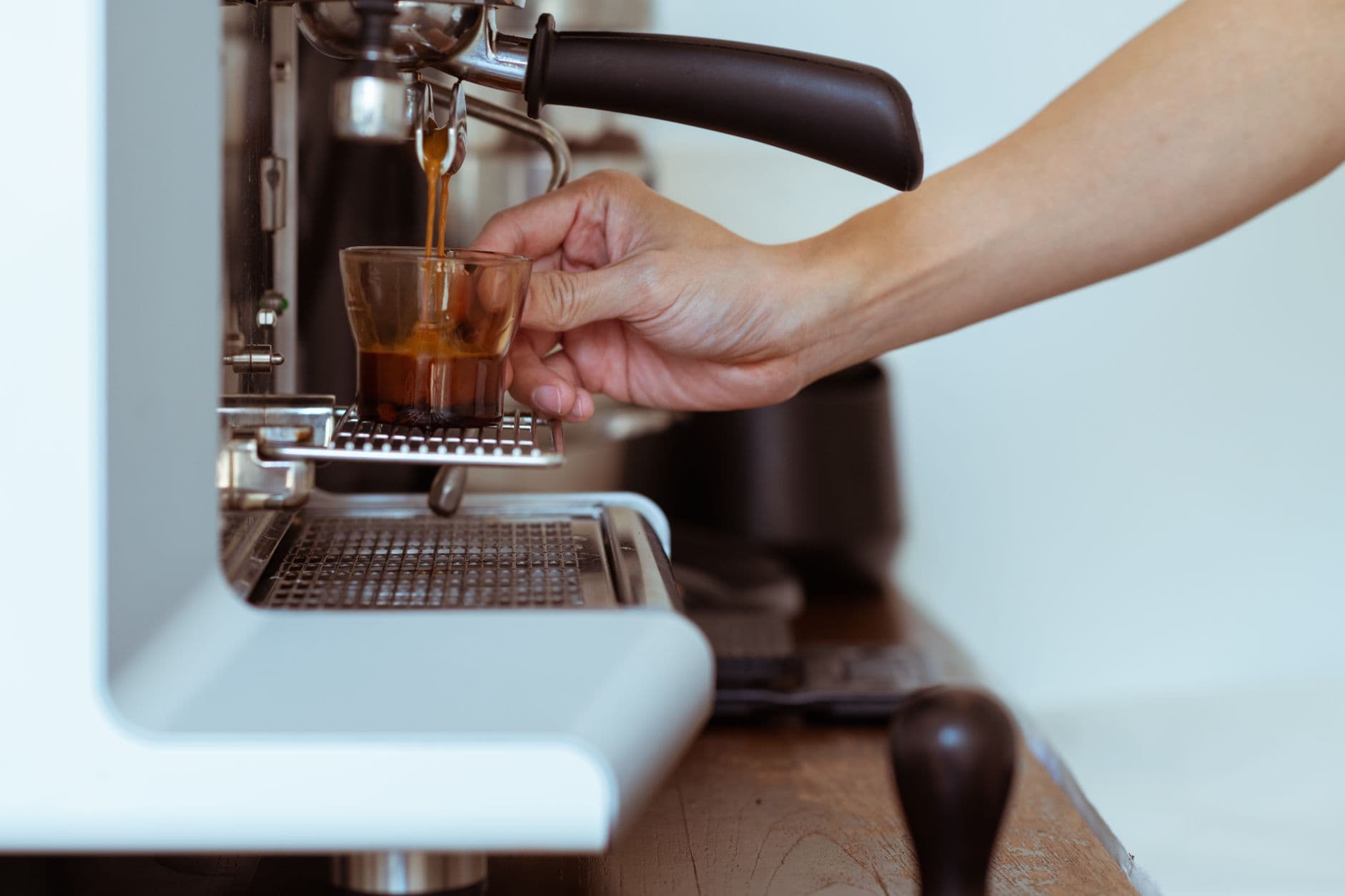
Buyer's guide
Bottomless vs Spouted Portafilter
The naked portafilter removes the spout so you can see extraction and diagnose channeling; the spouted one is more forgiving, drips less and splits into two cups. Which to use when, and why naked is an upgrade, not a necessity.
Read the guide →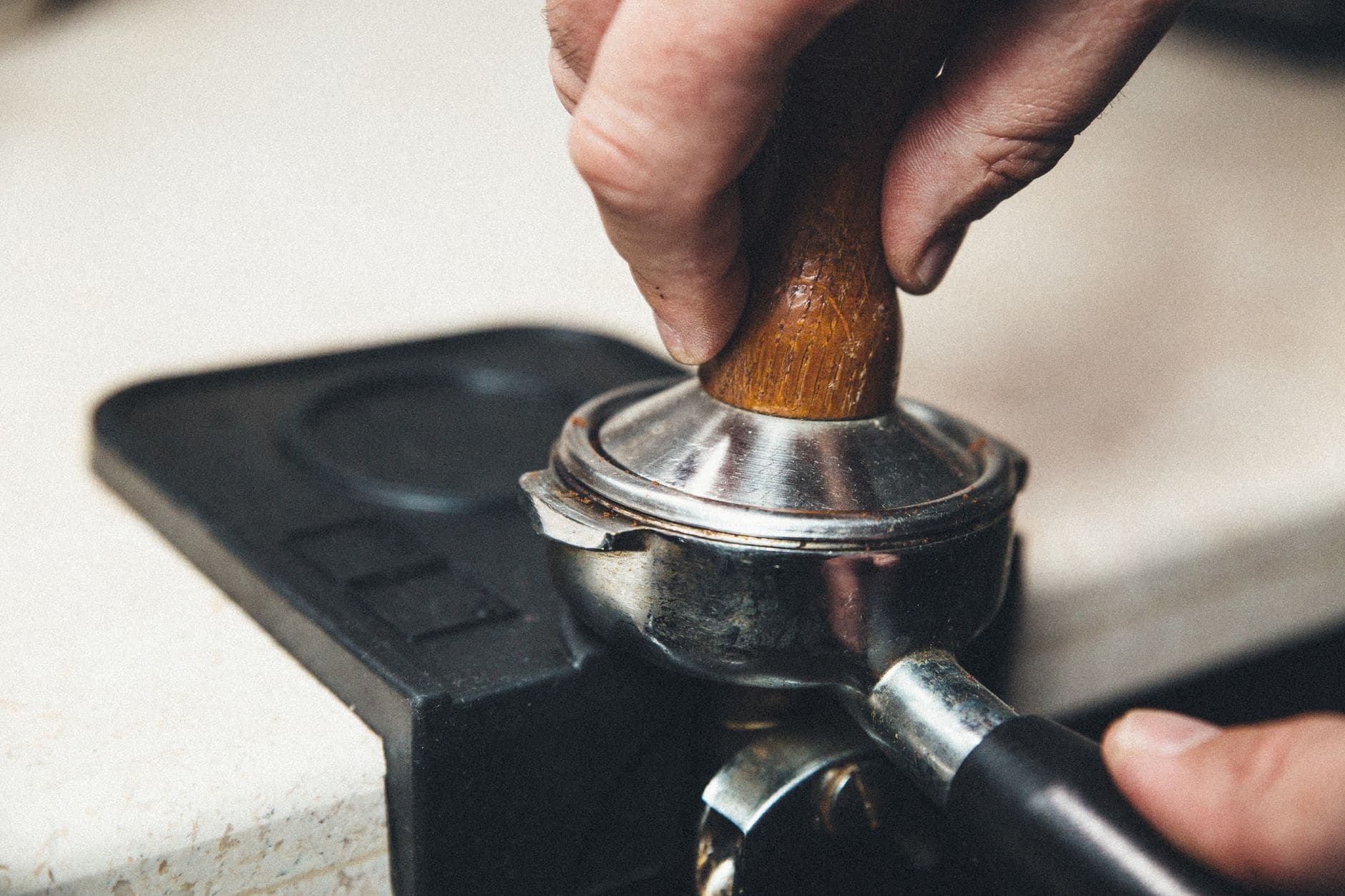
Buyer's guide
Portafilter size by brand and model
The compatibility database: every common Breville, Gaggia, De'Longhi, Rancilio and Chefman model mapped to its portafilter diameter — 51mm, 54mm or 58mm — plus the stock basket type, the models with no portafilter at all, and where the maker refuses to publish the figure.
Read the guide →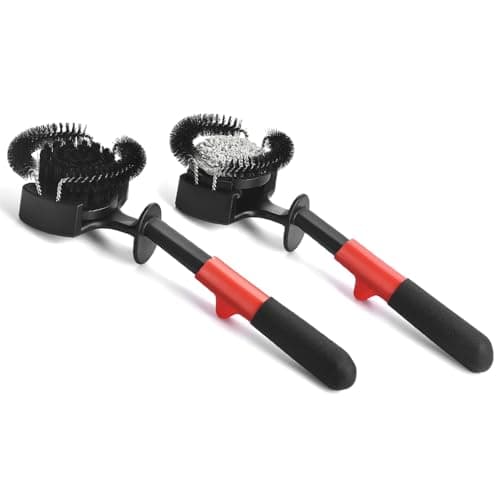
Buyer's guide
How to clean a coffee grinder
How to clean a coffee grinder without wrecking it: dry methods only, how to brush burrs and the chute, how often to strip it down, why rice is a bad idea, and how retention explains why it needs doing at all.
3 picks compared
See all picks →Top pick: CAFEMASY Grouphead Cleaning Brush (58mm, 2-pack)
Buyer's guide
Cleaning vs descaling an espresso machine
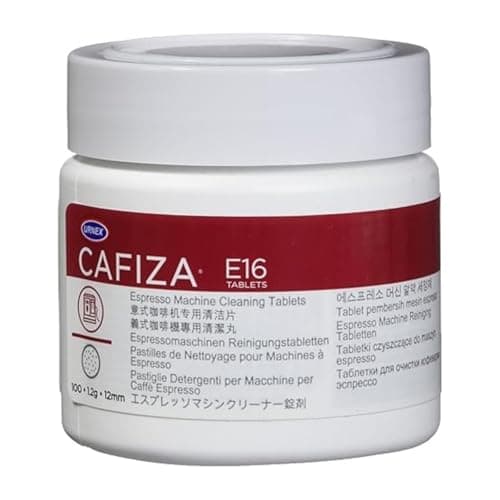
Cleaning removes coffee oil from the group, screen and baskets; descaling removes limescale from the boiler and water path. Different chemicals, schedules and symptoms — with the right product for each job.
4 picks compared
See all picks →Top pick: Urnex Cafiza Espresso Machine Cleaning Tablets (100 ct)
Buyer's guide
Espresso machine leaking from the portafilter: how to fix it
Water leaking around the portafilter is usually grounds on the rim, too much coffee in the basket, or a gasket that needs cleaning — not a broken machine. The five causes in order of likelihood, each with its fix.
4 picks compared
See all picks →Top pick: Urnex Cafiza Espresso Machine Cleaning Tablets (100 ct)
Buyer's guide
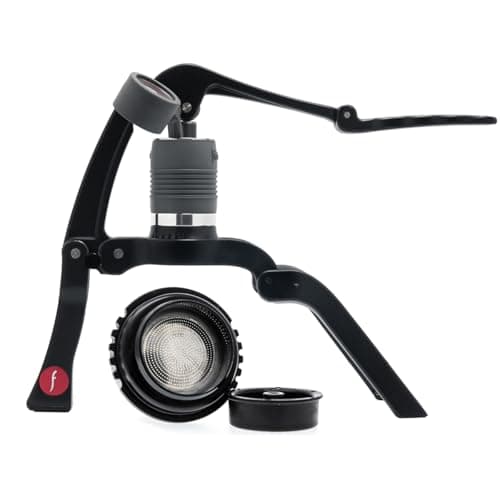
How to make espresso without a machine
Four ways to make espresso without an espresso machine — a hand-pump Nanopresso, a folding Flair lever, an AeroPress and a stovetop moka pot — compared on pressure, effort and cost, with honesty about which are real espresso.
4 picks compared
See all picks →Top pick: Flair 2GO
Buyer's guide
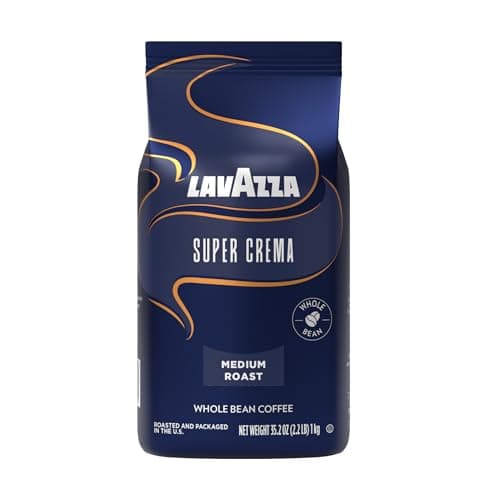
Can you use regular coffee beans for espresso?
Yes — any whole bean works for espresso; 'espresso roast' is a roast style, not a species. What really matters is freshness, roast level and grind, explained plainly, with three beans from our registry that pull well on a home machine.
3 picks compared
See all picks →Top pick: Lavazza Super Crema Whole Bean
Buyer's guide
How to remove a stuck portafilter
Why a portafilter sticks in the group head, how to free it safely without tearing the gasket, and the cleaning routine that stops it recurring. Covers residual pressure, swollen pucks, hardened group gaskets and over-dosing.
3 picks compared
See all picks →Top pick: Urnex Cafiza Espresso Machine Cleaning Tablets (100 ct)
Buyer's guide
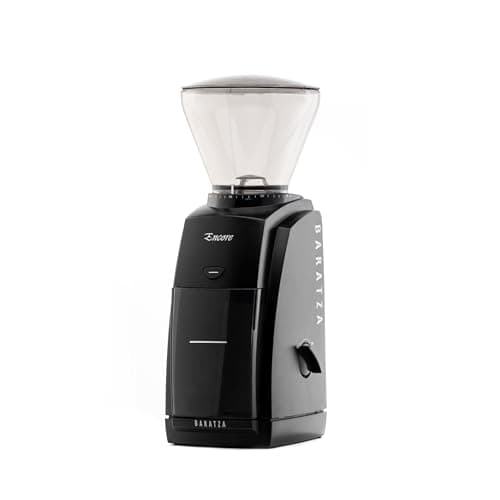
French press grind size
How coarse a French press grind should be, why immersion brewing punishes fines more than any other method, and the three grinders that hold a coarse setting evenly — with the fixes for a muddy or thin press.
3 picks compared
See all picks →Top pick: Baratza Encore
Buyer's guide
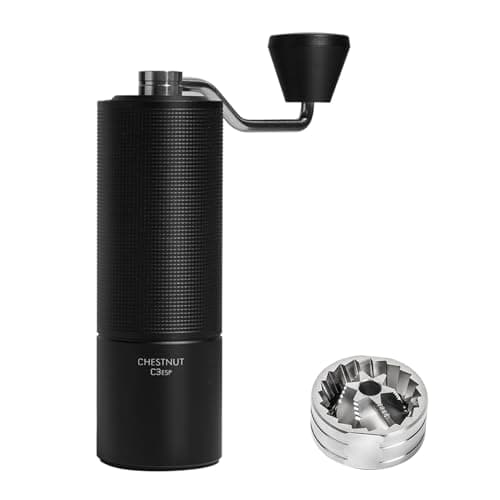
Moka pot grind size
How fine to grind for a moka pot, why espresso grind is the most common mistake, and the three grinders whose adjustment range properly covers the medium-fine window — with fixes for bitter, sputtering or weak brews.
3 picks compared
See all picks →Top pick: TIMEMORE Chestnut C3 ESP
Buyer's guide
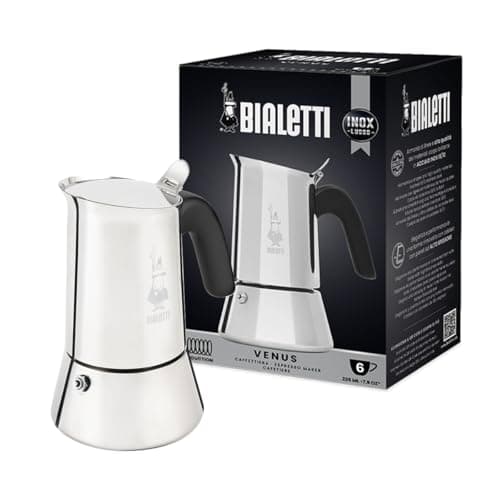
Can you use a moka pot on induction?
Why aluminium moka pots do not work on an induction hob, how to test a pot you already own with a fridge magnet, which stainless pots are genuinely induction-compatible, and whether an adapter plate is worth bothering with.
2 picks compared
See all picks →Top pick: Bialetti Venus (Induction)
Buyer's guide
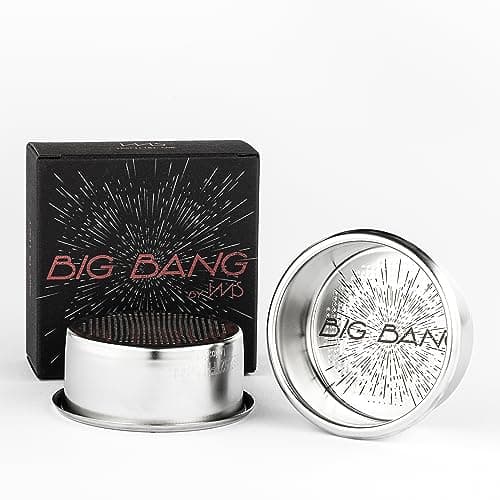
How much coffee goes in a portafilter?
The right espresso dose by portafilter diameter — 51mm, 54mm Breville and 58mm — why the basket sets the number rather than the machine, how to find your basket's own specification, and what over- and under-dosing actually do to the shot.
4 picks compared
See all picks →Top pick: IMS Big Bang Precision Filter Basket (58mm, 18-20g)
Buyer's guide
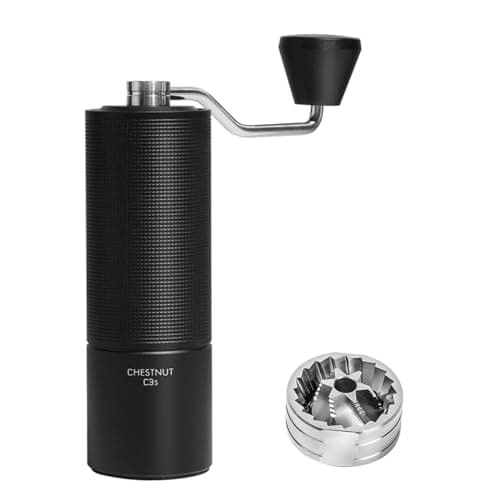
AeroPress grind size
Three AeroPress grind settings that all work — fine with a short steep, medium as the standard, coarse with a long one — why published recipes disagree, how to fix a bitter or sour brew, and the three grinders whose range covers the whole band.
3 picks compared
See all picks →Top pick: Timemore Chestnut C3S
Buyer's guide
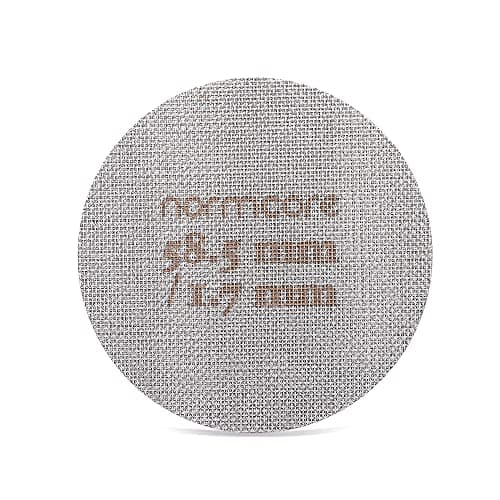
Are puck screens worth it?
An honest answer on puck screens: the shower-screen and cleanup benefit is real and worth $14, the channeling and even-extraction claims are not, and here is who should skip one — plus the right screen for 51mm, 54mm and 58mm portafilters.
3 picks compared
See all picks →Top pick: Normcore 58.5mm Puck Screen (1.7mm, 150 micron)
Buyer's guide
How to clean a portafilter
The daily and weekly routine for cleaning an espresso portafilter and basket, how to unclog a basket that has slowed down, why dish soap is not enough, why descaler is the wrong chemical, and the three products that do the job.
3 picks compared
See all picks →Top pick: Urnex Cafiza Espresso Machine Cleaning Tablets (100 ct)
Buyer's guide
Burr vs blade grinder
What burr and blade grinders actually do to coffee, why a blade grinder makes a cup that is bitter and sour at the same time, how conical and flat burrs differ, what makes a grinder espresso-capable, and the three cheapest honest ways out of a blade grinder.
3 picks compared
See all picks →Top pick: TIMEMORE Chestnut C3 ESP
Buyer's guide
Espresso machine not pumping water
A fault tree for an espresso machine that runs but moves no water: airlock, tank seating, blocked intake, limescale, OPV and a failed pump — in likelihood order, cheapest first, with the fixes and the three products that address the causes you can actually control.
3 picks compared
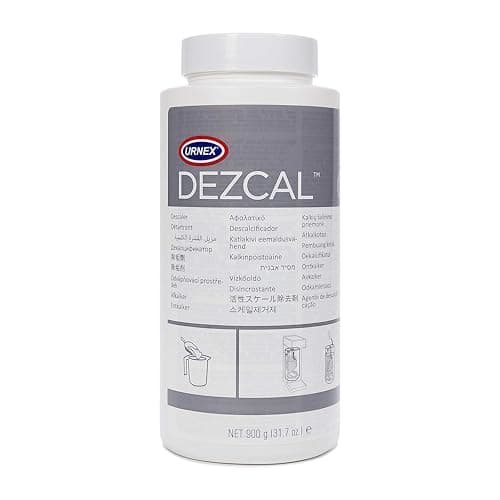
See all picks →Top pick: Urnex Dezcal Coffee & Espresso Descaler (900g)