Grinders
Coffee grinders — the upgrade that changes the cup most
Hand and electric grinders ranked on burrs, adjustment resolution and value for espresso — with live prices and the honest limits of each.
If you only upgrade one thing in your setup, make it the grinder. This is the least intuitive fact in home coffee and the most important: the grinder affects the taste in your cup more than the machine does. Espresso is brewed in about 25 seconds under nine bars of pressure, and that short, intense extraction is brutally sensitive to how evenly the coffee is ground. A burr grinder built for espresso produces particles of a consistent size that let water pass at an even rate; a cheap blade grinder produces gravel and dust in the same scoop, which channels water and gives you a shot that is sour and watery at once. No machine can fix that. This is why we tell people to buy less machine and more grinder.
Grinders split first by burr type. Conical burrs (two nested cones) are the norm at every price and are excellent for espresso; flat burrs (two facing rings) can give a slightly more uniform grind and a different flavor clarity, and start appearing in the mid-tier. Both are far ahead of blades. The second split is hand versus electric. A good hand grinder (Timemore, 1Zpresso, KINGrinder) delivers genuinely espresso-capable consistency for well under $150 — the trade is a minute or two of cranking per shot. An electric grinder (Baratza Encore ESP, Breville Smart Grinder Pro, a Eureka) costs more but grinds on demand and holds a setting, which matters when you pull several shots a day.
The spec that actually decides whether a grinder can do espresso is adjustment resolution: how finely you can nudge the grind. Espresso lives in a narrow window, and a grinder with coarse, widely-spaced steps will hop right over the setting you need — too fine chokes the machine, one step coarser gushes. That is why a general-purpose grinder that is wonderful for drip can be maddening for espresso: not enough steps in the espresso range. Every grinder in our espresso roundups either has fine, closely-spaced steps or is fully stepless. We flag the ones (like the standard Baratza Encore) that are superb for pour over but genuinely frustrating for espresso, because that is exactly the mismatch people get burned by.
On price: the floor for a grinder that can pull consistent espresso is real but low. A $70 Timemore hand grinder clears it. Under $200 you have excellent electric options. Above that you are buying speed, larger burrs, less mess, and single-dosing convenience — nice, but not better espresso by default. Start with our best-for-espresso roundup for the overall picks, the under-$200 roundup if you want the best value electric or hand grinder, the hand-grinder roundup if you want a manual grinder you can pack or take off-grid, and the drip-and-pour-over roundup if filter coffee — not espresso — is what you brew most mornings, because the specs that matter there are different. If you have narrowed the field, our Baratza Encore ESP review covers the natural first electric espresso grinder, and our 1Zpresso vs Comandante comparison and 1Zpresso K-Ultra review settle the premium hand-grinder question. Read the 'do you need a grinder for espresso' guide first if you are still tempted to skip this step. (Please do not skip this step.) When you are choosing a specific grinder, our best single dose grinders roundup and Baratza Encore vs Encore ESP comparison go deeper still. We also review the Timemore C3 ESP, Eureka Mignon Specialita and DF64 Gen 2, and compare the 1Zpresso K-Ultra vs Timemore C3 and the Baratza Encore vs Fellow Ode. Also here: the best flat burr grinders, full reviews of the Comandante C40 and the Fellow Ode Gen 2, and a Eureka Specialita vs Baratza Encore ESP comparison.
We also publish espresso-grinder head-to-heads for the questions buyers ask most, including Eureka Mignon Specialita vs DF64 Gen 2, DF64 Gen 2 vs Fellow Ode Gen 2, Baratza Encore ESP vs DF64 Gen 2, Timemore Chestnut C3 ESP vs Baratza Encore ESP, Comandante C40 vs Timemore C3, and Eureka Mignon Specialita vs Fellow Ode Gen 2, plus a roundup of the best electric espresso grinders under $500.
We also have single reviews of the quiet Eureka Mignon Notte, the do-everything Breville Smart Grinder Pro, the repairable Baratza Vario+, the 64mm Timemore Sculptor 064S and the value single-dose DF54; grinder head-to-heads including Eureka Notte vs Specialita, DF64 Gen 2 vs Baratza Vario+, Timemore Sculptor 064S vs DF64 Gen 2, and Breville Smart Grinder Pro vs Baratza Encore ESP; and a best quiet coffee grinders roundup for apartments and early mornings.
Also here: grinder picks for the Breville Bambino specifically, ranked on what that machine actually needs from a grinder, and a KINGrinder K6 vs 1Zpresso K-Ultra head-to-head that works out whether a premium hand grinder is worth double, naming the middle option worth taking instead.
Also here: the best grinders for the Gaggia Classic, a pairing page built around what that machine specifically needs - fine adjustment inside the espresso range, because the Classic has no factory PID and the grind is the lever you control, plus an 18-20g dose for a 58mm basket. And a full review of the Fellow Opus 2, the 48mm conical with a stepless dial and a 30g dosing cup that fits both 54mm and 58mm portafilters: a genuinely good espresso grinder at its price, and an honest look at the filter results and plastic internals the marketing does not lead with.
New this round: the best grinders for a moka pot. Moka sits in a medium-fine window between drip and espresso, which makes resolution in the MIDDLE of the dial the spec that matters - so an espresso-geared grinder, where the moka setting is the last click or two with nowhere left to go, is the wrong tool despite being the more expensive one. The page ranks four grinders on that constraint, separates the ones worth buying if moka is all you brew from the ones that also cover shots, and is clear that nothing above about a hundred dollars makes moka coffee noticeably better.
We earn a commission when you buy through our Amazon links, at no extra cost to you. It never changes a verdict, and we say so when the cheaper product is the better buy. How this works.
Everything in this hub
All coffee grinders
All 57 of our coffee grinders pages are listed below — nothing is paginated, filtered or hidden behind a “load more”.
Roundups (13)
Ranked shortlists with a named winner, a live price, and the pick we would skip.
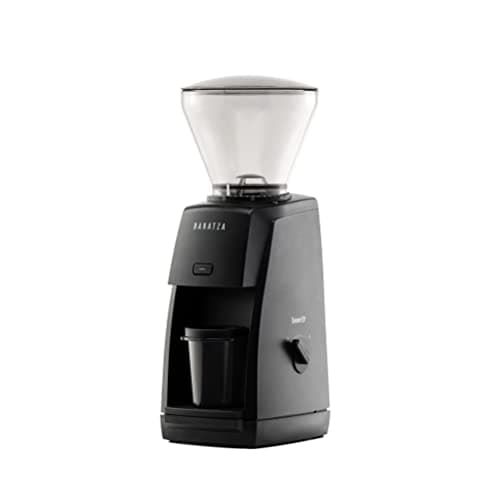
Roundup
The best coffee grinders for espresso
Six espresso-capable burr grinders, from an affordable electric to a cafe-grade step-up and hand grinders that punch above their price, ranked on grind quality and adjustment.
6 picks compared
See all picks →Top pick: Baratza Encore ESP
Roundup
The best coffee grinders under $200
Six sub-$200 grinders, from an affordable electric to budget hand grinders, ranked on grind quality, adjustment resolution and value.
6 picks compared
See all picks →Top pick: Baratza Encore ESP
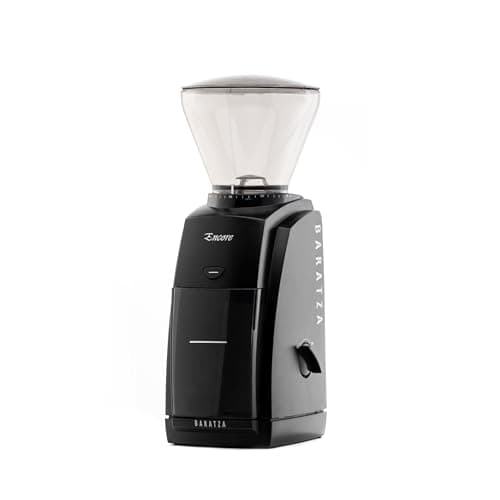
Roundup
The best coffee grinders for drip coffee and pour over
Six burr grinders for filter coffee, from an affordable electric to a 64mm flat-burr specialist and a hand grinder, ranked on grind uniformity and adjustment.
6 picks compared
See all picks →Top pick: Baratza Encore
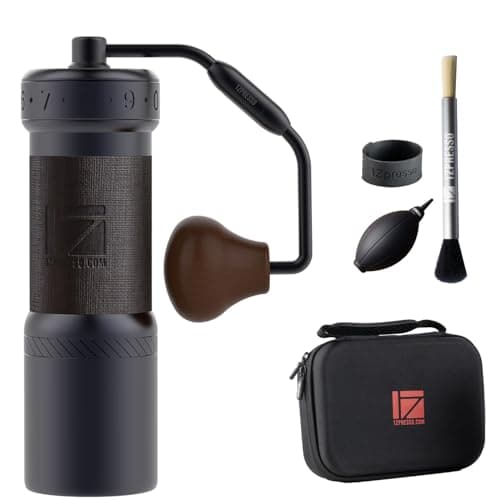
Roundup
The best hand coffee grinders
Six manual burr grinders, from a premium do-everything all-rounder to budget picks that make real espresso, ranked on grind quality, adjustment resolution, build, portability and value.
6 picks compared
See all picks →Top pick: 1Zpresso K-Ultra Manual Coffee Grinder
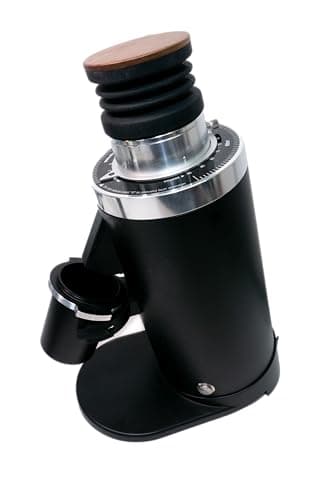
Roundup
The best single dose coffee grinders
Six single-dose grinders ranked on grind quality, retention and versatility — from the flat-burr DF64 platform that made single-dosing affordable to a manual grinder that is single-dose by design, with honest notes on what each is actually built for.
6 picks compared
See all picks →Top pick: DF64 Gen 2 Single Dose Coffee Grinder
Roundup
The best flat burr grinders
Six real flat-burr grinders ranked for espresso and filter — the DF64 Gen 2, Eureka Specialita, Baratza Vario+, TIMEMORE Sculptor and more — with a straight answer on whether a flat burr's clarity is worth it over a conical.
6 picks compared
See all picks →Top pick: DF64 Gen 2 Single Dose Coffee Grinder
Roundup
Best electric espresso grinders under $500
Five electric espresso grinders under $500 that grind on demand and hold a setting, ranked on grind quality, adjustment, single-dose vs hopper workflow and value — honest that a great hand grinder can match them for less.
5 picks compared
See all picks →Top pick: DF64 Gen 2 Single Dose Coffee Grinder
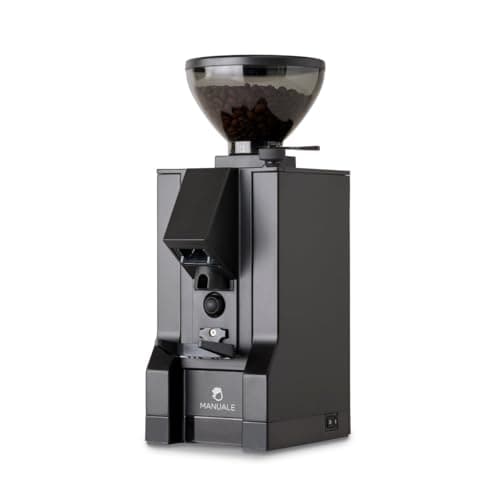
Roundup
The best quiet coffee grinders
Five quiet coffee grinders ranked on perceived noise, grind quality, build and workflow - from the notably quiet Eureka Mignon Notte and Specialita to near-silent Comandante and 1Zpresso hand grinders - with the honest truth that only a hand grinder removes motor noise entirely.
5 picks compared
See all picks →Top pick: Eureka Mignon Notte
Roundup
The best coffee grinder gifts
The gift that changes someone's coffee more than any other: eight grinders from our own roundups, re-ranked for gifters — the Baratza Encore ESP for a machine owner, the Timemore C3 ESP and KINGrinder K6 on a budget, the 1Zpresso K-Ultra for the enthusiast, the Encore and Fellow Ode for pour-over drinkers, the DF54 and Smart Grinder Pro for specific setups. Live prices on every pick.
8 picks compared
See all picks →Top pick: Baratza Encore ESP Coffee Grinder (ZCG495)
Roundup
The best grinders for the Breville Bambino
Five grinders that pair properly with a Breville Bambino or Bambino Plus, ranked on espresso adjustment, dose precision for a 54mm basket, retention and counter footprint — with live prices and the honest budget-order advice.
5 picks compared
See all picks →Top pick: Baratza Encore ESP
Roundup
The best grinders for the Gaggia Classic
Six grinders that pair properly with a Gaggia Classic Evo Pro, ranked on adjustment resolution inside the espresso range, 18-20g dose precision for a 58mm basket, retention and price proportion — with live prices and honest cons on every pick.
6 picks compared
See all picks →Top pick: Baratza Encore ESP
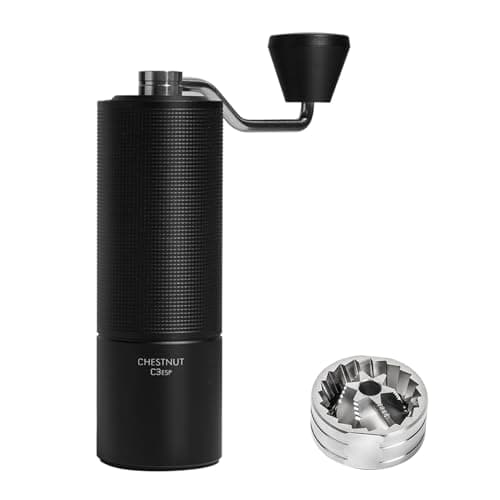
Roundup
The best coffee grinders under $100
Four coffee grinders under $100 that are genuinely worth owning, ranked by what you brew: the C3 ESP for espresso, the C3S for pour over, the Q2 for travel and the OXO Brew if you refuse to crank. With live prices and the limits of each spelled out.
4 picks compared
See all picks →Top pick: TIMEMORE Chestnut C3 ESP
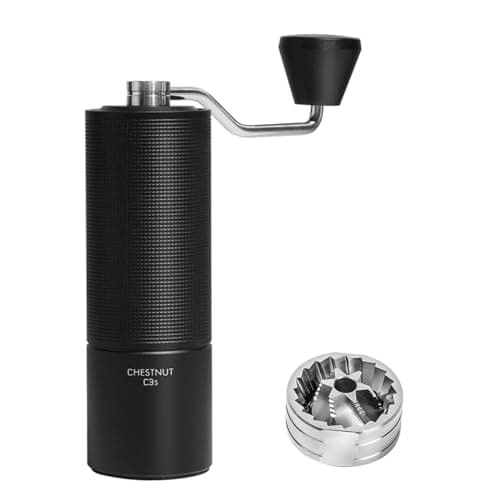
Roundup
The best coffee grinders for a moka pot
Four coffee grinders ranked for a moka pot specifically: the Timemore C3S for value, the Baratza Encore for push-button mornings, the KINGrinder K6 for the finest adjustment, and the Fellow Opus 2 if you brew moka and espresso. With live prices and the grind window explained.
4 picks compared
See all picks →Top pick: Timemore Chestnut C3S
Single-product reviews (18)
One product in full: the specs, the running-cost math, and who it is genuinely not for.
Review
Baratza Encore ESP review: the starter espresso grinder, done right
The Baratza Encore ESP is the natural first electric espresso grinder: 40mm conical steel burrs re-geared so its 40 steps land in the espresso range, wrapped in Baratza's famous repair-forever support — with the honest limits of a stepped grinder.
1 picks compared
See all picks →Top pick: Baratza Encore ESP Coffee Grinder (ZCG495)
Review
1Zpresso K-Ultra review: the hand grinder for people who brew more than one way
The 1Zpresso K-Ultra is the most complete hand grinder for someone who brews more than one way: 48mm heptagonal burrs grind a full dose fast and evenly, and an external numbered dial makes switching from espresso to filter a repeatable few clicks. It leans filter, and it sits at the premium end — but as an all-rounder little else touches it.
1 picks compared
See all picks →Top pick: 1Zpresso K-Ultra Manual Coffee Grinder
Review
TIMEMORE Chestnut C3 ESP review: the value benchmark for espresso by hand
The TIMEMORE Chestnut C3 ESP is the cheapest hand grinder that genuinely makes espresso: 38mm stainless burrs and a fine stepped dial reach the espresso window in an all-metal body that feels well above its price - with the honest limits of a small, single-dose manual tool.
1 picks compared
See all picks →Top pick: TIMEMORE Chestnut C3 ESP Manual Coffee Grinder
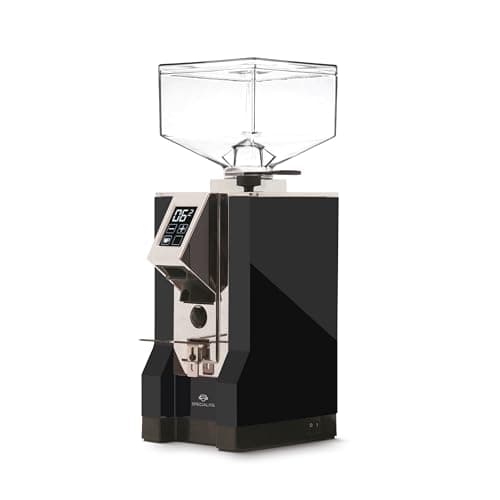
Review
Eureka Mignon Specialita review: the quiet stepless step up for espresso
The Eureka Mignon Specialita is the quiet, stepless step up from an entry espresso grinder: 55mm flat burrs, patented micrometric adjustment and a touchscreen timer — honestly a hopper grinder many people single-dose, not a dedicated single-doser.
1 picks compared
See all picks →Top pick: Eureka Mignon Specialita Espresso Grinder
Review
DF64 Gen 2 review: the grinder that made flat-burr single-dosing affordable
The DF64 Gen 2 is the grinder that made affordable flat-burr single-dosing mainstream: 64mm flat burrs, a genuine low-retention single-dose design, and enough range to cover espresso and filter - with honest notes on sellers, clumping and noise.
1 picks compared
See all picks →Top pick: DF64 Gen 2 Single Dose Coffee Grinder
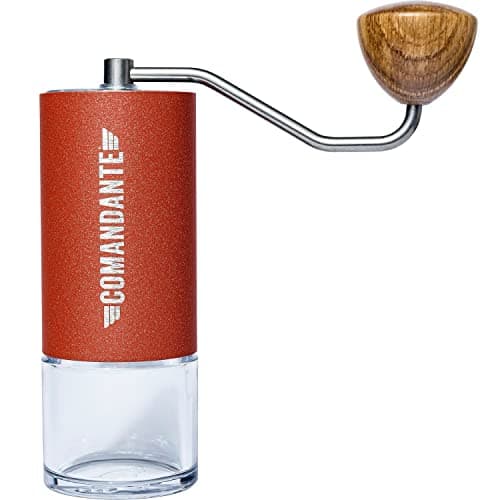
Review
Comandante C40 MK4 Nitro Blade review: reference-grade filter grinding by hand
The Comandante C40 MK4 Nitro Blade is the reference hand grinder for filter coffee: high-nitrogen steel conical burrs, superb pour-over and French press clarity, and German build to match. Espresso is possible but the stock stepping is coarse for it — the honest fix is the optional Red Clix axle, and the value case against cheaper 1Zpresso and Timemore grinders is real.
1 picks compared
See all picks →Top pick: Comandante C40 MK4 Nitro Blade Hand Grinder
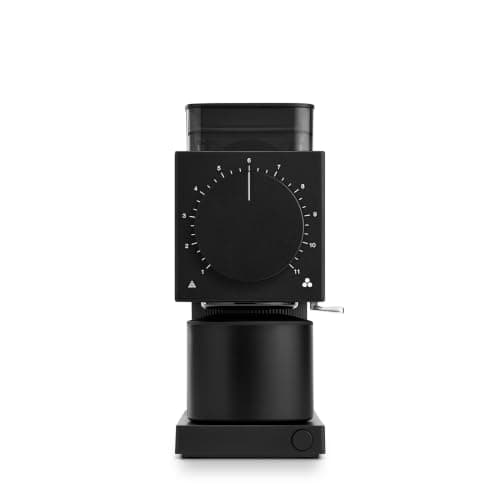
Review
Fellow Ode Gen 2 review: a gorgeous flat-burr grinder for filter, not espresso
The Fellow Ode Brew Grinder Gen 2 is a 64mm flat-burr, single-dose electric built specifically for filter coffee — drip, pour-over and French press. It is quiet, anti-static and beautiful on a counter, with excellent grind consistency for brewed methods. The one thing to know up front: it does not grind fine enough for espresso, and Fellow say so themselves.
1 picks compared
See all picks →Top pick: Fellow Ode Brew Grinder Gen 2
Review
Eureka Mignon Notte review: the quiet, stepless espresso grinder
The Eureka Mignon Notte is the quiet, grind-on-demand espresso pick: 50mm flat steel burrs behind a stepless collar for hair-fine dial-in, notably low noise for an electric, and a compact, premium Italian build - hopper-fed, so you flip it on and grind straight into the portafilter.
1 picks compared
See all picks →Top pick: Eureka Mignon Notte
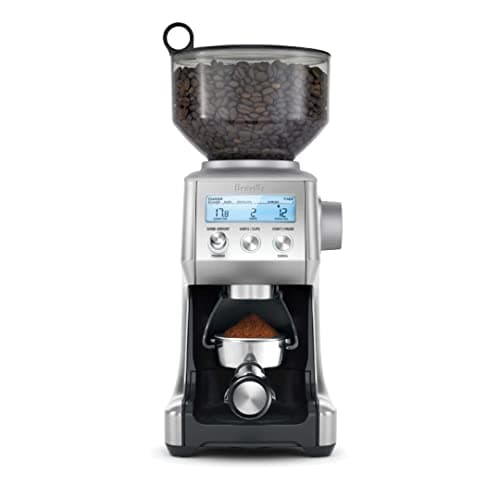
Review
Breville Smart Grinder Pro review: the one grinder that does both
The Breville Smart Grinder Pro (BCG820) is the friendly one-grinder-does-both: 60 conical-burr settings from espresso to French press, a display that shows dose and grind time, and hands-free dosing straight into the portafilter - versatile and easy to live with, if coarser in resolution than a stepless espresso grinder.
1 picks compared
See all picks →Top pick: Breville Smart Grinder Pro
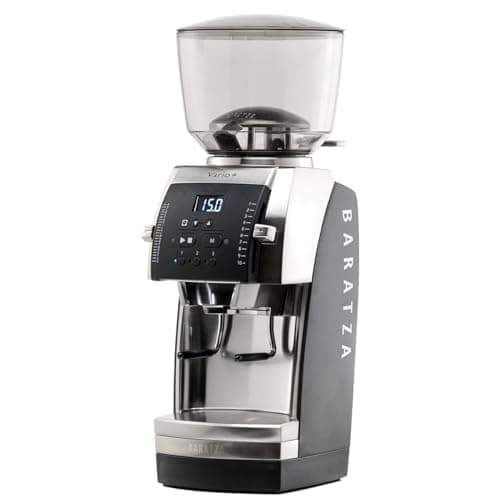
Review
Baratza Vario+ review: the flat-burr all-rounder you keep for years
The Baratza Vario+ is the flat-burr all-rounder: 54mm flat ceramic burrs, dual macro/micro levers giving 220 labeled, repeatable settings from espresso to French press, timed hands-free dosing, and Baratza's best-in-class repair support - a grinder built to keep, if hopper-fed rather than single-dose.
1 picks compared
See all picks →Top pick: Baratza Vario+ Flat Ceramic Burr Grinder
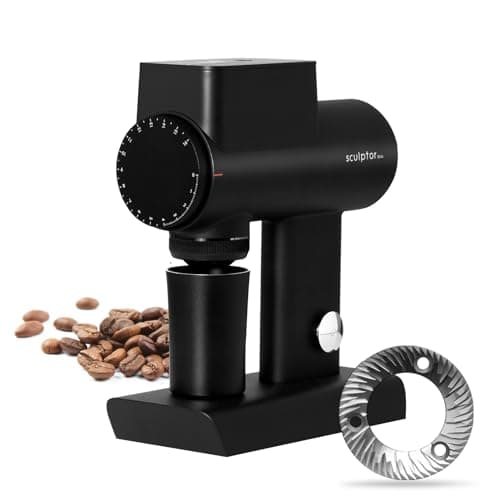
Review
TIMEMORE Sculptor 064S review: premium 64mm single-dosing
The TIMEMORE Sculptor 064S is the premium 64mm flat-burr single-doser: stainless flat burrs, a PID brushless motor, a rotary knocker that pushes retention very low, and a heavy all-metal build that feels a step above value grinders - refined espresso and filter grinding at a competitive price for the class.
1 picks compared
See all picks →Top pick: TIMEMORE Sculptor 064S Flat Burr Grinder
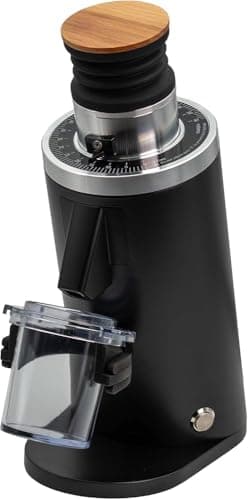
Review
DF54 review: the value way into flat-burr single-dosing
The DF54 is the value entry to flat-burr single-dosing: 54mm stainless flat burrs, the DF64's stepless micrometric collar, and an ionizer that hits sub-0.1g retention without a bellows - most of the DF64 experience at a real discount, in a compact single-dose body, if you accept smaller burrs and a budget build.
1 picks compared
See all picks →Top pick: DF54 Single Dose Coffee Grinder
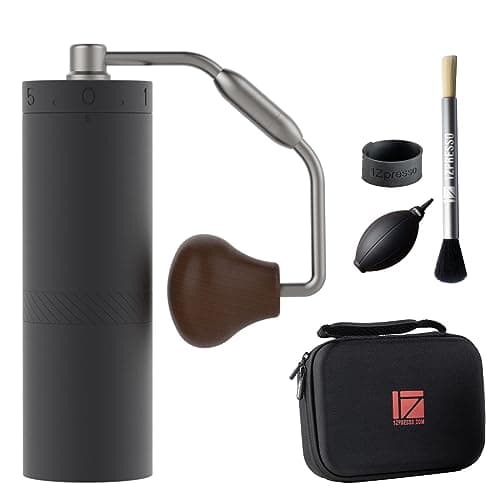
Review
1Zpresso X-Ultra review: the finest-stepping 1Zpresso hand grinder
The 1Zpresso X-Ultra is the most balanced hand grinder 1Zpresso makes: an external dial that moves in 12.5-micron clicks — the finest steps in its manual line — sits deliberately between the espresso-leaning J-Ultra and the filter-leaning K-Ultra and does both well. The trade is a smaller 40mm burr that grinds a dose a touch slower, and a premium price for that burr size.
1 picks compared
See all picks →Top pick: 1Zpresso X-Ultra Manual Coffee Grinder
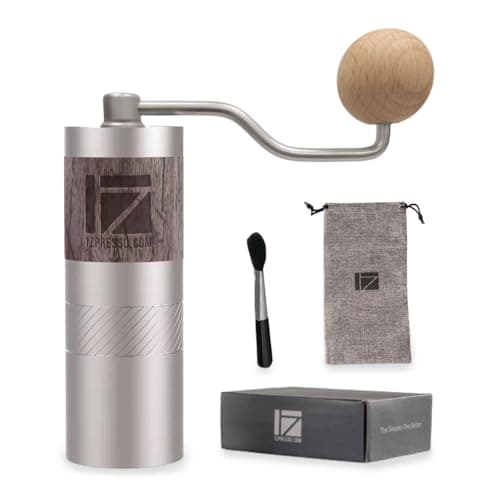
Review
1Zpresso Q2 review: the pocket hand grinder built for travel and filter
The 1Zpresso Q2 is the compact, entry-priced travel hand grinder: heptagonal stainless burrs and an internal numbered dial in a body smaller than a soda can that fits inside an Aeropress plunger. It shines at drip and pour-over and can pull espresso in a pinch, but its adjustment leans filter — buy it for portability and filter, not as a dedicated espresso grinder.
1 picks compared
See all picks →Top pick: 1Zpresso Q2 Manual Grinder
Review
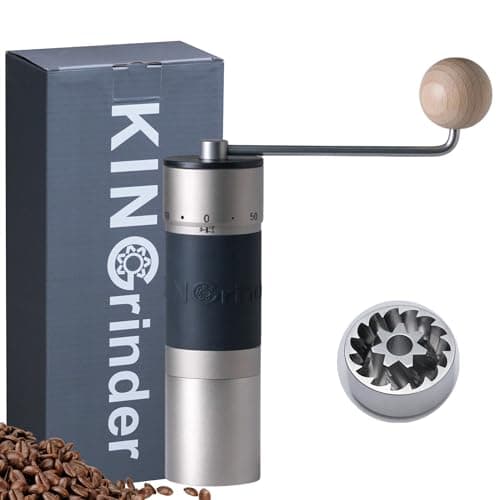
KINGrinder K6 review: the most espresso adjustment per dollar
The KINGrinder K6 is the budget hand grinder that dials espresso with the finest steps on the list: 48mm heptagonal burrs and an external numbered dial in 16-micron clicks give you cafe-grade adjustment for a fraction of the price. It gives up a carry case and brand pedigree, not the grind.
1 picks compared
See all picks →Top pick: KINGrinder K6 Manual Coffee Grinder
Review
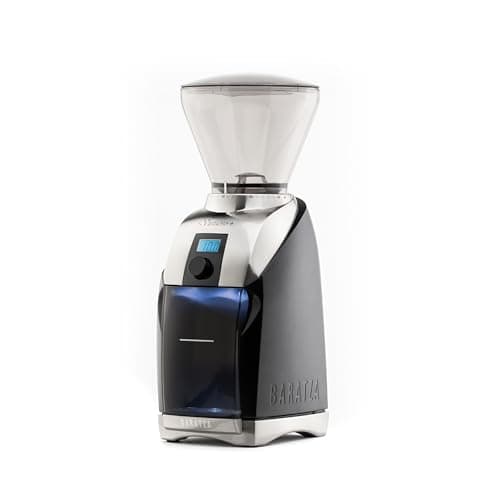
Baratza Virtuoso+ review: brilliant for filter, marginal for espresso
The Baratza Virtuoso+ is a superb filter and pour-over grinder: a precision M2 conical burr, 40 low-speed settings and a digital timer you can set to a tenth of a second make daily drip genuinely repeatable. But its stepped dial runs coarse at the fine end, so it is only marginally suited to espresso - for shots, the Encore ESP or a dedicated espresso grinder is the better buy.
1 picks compared
See all picks →Top pick: Baratza Virtuoso+
Review
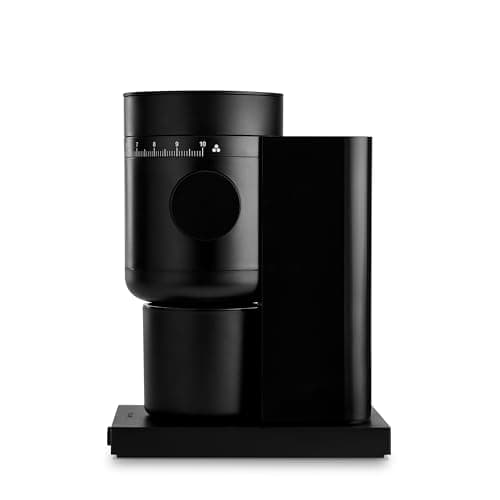
Fellow Opus 2 review: a better espresso grinder than an all-rounder
The Fellow Opus 2 upgrades to 48mm conical burrs, a stepless dial and a 30g espresso dosing cup that fits 54mm and 58mm portafilters — a fast, tidy, genuinely good espresso grinder at its price, with filter results that reviewers rate as merely adequate and a plastic grind chamber worth knowing about.
1 picks compared
See all picks →Top pick: Fellow Opus 2 Conical Burr Grinder
Review
Baratza Encore review: the right answer to the wrong question
The Baratza Encore remains the default first real grinder: 40mm conical steel burrs, 40 stepped settings from 250 to 1200 microns, genuinely uniform grounds for filter brewing, and a repair program nobody else matches. It is not an espresso grinder, and this review explains exactly where the ceiling is.
1 picks compared
See all picks →Top pick: Baratza Encore Coffee Grinder
Head-to-head comparisons (25)
Two products side by side, with a straight answer on which one to buy.
Explainer
1Zpresso K-Ultra vs Comandante C40: which hand grinder wins?
1Zpresso K-Ultra vs Comandante C40 MK4: a fast, big-burr all-rounder with easy external espresso adjustment against a heirloom-grade filter specialist. Compared head to head, with a clear who-buys-which verdict.
2 picks compared
See all picks →Top pick: 1Zpresso K-Ultra Manual Coffee Grinder
Explainer
Baratza Encore vs Encore ESP: which one should you buy?
The Baratza Encore and Encore ESP share burrs and build; the only real difference is gearing. The standard Encore is spaced for filter and struggles at espresso fineness; the ESP re-gears its 40 steps to reach the espresso window while still covering drip and pour over. Buy the ESP if espresso is on the menu, the cheaper Encore if you only brew filter.
2 picks compared
See all picks →Top pick: Baratza Encore ESP Coffee Grinder (ZCG495)
Explainer
1Zpresso K-Ultra vs Timemore C3 ESP: which hand grinder should you buy?
The premium do-everything hand grinder against the value espresso benchmark - the 48mm, dial-equipped, travel-cased K-Ultra versus the smaller, slower, genuinely espresso-capable C3 ESP - compared on speed, adjustment, build and price.
2 picks compared
See all picks →Top pick: 1Zpresso K-Ultra Manual Coffee Grinder
Explainer
Baratza Encore vs Fellow Ode Gen 2: which filter grinder should you buy?
Baratza Encore vs Fellow Ode Gen 2: the affordable, repairable 40mm conical workhorse against the design-led 64mm flat-burr single-doser, compared for filter coffee on grind quality, retention, noise and value — and why neither is an espresso grinder.
2 picks compared
See all picks →Top pick: Baratza Encore
Explainer
Eureka Mignon Specialita vs Baratza Encore ESP: which should you buy?
Eureka Mignon Specialita vs Baratza Encore ESP: a 55mm flat-burr, stepless, near-silent espresso grinder against a 40mm conical entry grinder at less than half the price. Which is worth your money, decided honestly.
2 picks compared
See all picks →Top pick: Eureka Mignon Specialita Espresso Grinder
Explainer
Eureka Mignon Specialita vs DF64 Gen 2: which espresso grinder?
Eureka Mignon Specialita vs DF64 Gen 2: a quiet, hopper-fed, timed on-demand espresso grinder against a hands-on single-dose flat-burr grinder that swaps beans in seconds - compared on dial-in feel, retention and mess, noise and bean rotation, with an honest who-buys-which verdict.
2 picks compared
See all picks →Top pick: Eureka Mignon Specialita Espresso Grinder
Explainer
DF64 Gen 2 vs Fellow Ode Gen 2: single-dose for espresso or filter?
DF64 Gen 2 vs Fellow Ode Gen 2: two single-dose 64mm flat-burr grinders that look similar but are tuned for opposite jobs. The DF64 grinds fine enough for true espresso; the stock Ode is optimized for pour-over and drip and does not reliably reach espresso. Here is an honest, spec-based breakdown of which one belongs on your counter.
2 picks compared
See all picks →Top pick: DF64 Gen 2 Single Dose Coffee Grinder
Explainer
Baratza Encore ESP vs DF64 Gen 2: starter espresso grinder or single-dose step-up?
Baratza Encore ESP vs DF64 Gen 2: the affordable, hopper-fed, stepped starter espresso grinder against the stepless, single-dose flat-burr step-up - compared on adjustment resolution, retention, workflow, noise and value, with an honest verdict on when the upgrade pays off.
2 picks compared
See all picks →Top pick: Baratza Encore ESP Coffee Grinder (ZCG495)
Explainer
Timemore Chestnut C3 ESP vs Baratza Encore ESP: hand or electric for espresso?
Timemore C3 ESP vs Baratza Encore ESP: the cheapest way into a consistent espresso grind by hand against the easiest entry electric that grinds on demand - compared on consistency, effort, speed, noise, portability and who each suits.
2 picks compared
See all picks →Top pick: TIMEMORE Chestnut C3 ESP Manual Coffee Grinder
Explainer
Comandante C40 vs Timemore Chestnut C3: is the premium hand grinder worth it?
Comandante C40 vs Timemore Chestnut C3: the reference premium hand grinder against the value benchmark. We weigh grind quality, build, ergonomics and espresso capability - and answer honestly whether the boutique grinder is worth many times the price, or whether the C3 gets you most of the cup for far less.
2 picks compared
See all picks →Top pick: Comandante C40 MK4 Nitro Blade Hand Grinder
Explainer
Eureka Mignon Specialita vs Fellow Ode Gen 2: espresso on-demand or filter single-dose?
Eureka Mignon Specialita vs Fellow Ode Gen 2: both are quiet, beautiful flat-burr grinders, but they are built for opposite jobs. The Specialita is an on-demand, stepless espresso grinder; the Ode is a single-dose filter grinder that does not reach espresso on its stock burrs. Pick by what you brew.
2 picks compared
See all picks →Top pick: Eureka Mignon Specialita Espresso Grinder
Explainer
Eureka Mignon Notte vs Specialita: which Mignon should you buy?
Eureka Mignon Notte vs Specialita: two quiet, stepless on-demand espresso grinders from the same Italian family. The newer 50mm Notte keeps it simple and usually costs less; the 55mm Specialita adds a touchscreen timer, larger burrs and Eureka's micrometric collar. Both grind excellent espresso - this is which Mignon fits your morning.
2 picks compared
See all picks →Top pick: Eureka Mignon Notte
Explainer
DF64 Gen 2 vs Baratza Vario+: which flat-burr electric?
DF64 Gen 2 vs Baratza Vario+: two flat-burr electric grinders that do espresso and filter. The 64mm DF64 is a stepless, low-retention single-doser and the value benchmark; the 54mm Vario+ is a repairable, dual-adjust hopper workhorse with the best support in the category. Which flat burr fits comes down to workflow and how much you value long-term serviceability.
2 picks compared
See all picks →Top pick: DF64 Gen 2 Single Dose Coffee Grinder
Explainer
Timemore Sculptor 064S vs DF64 Gen 2: which 64mm single-doser?
Timemore Sculptor 064S vs DF64 Gen 2: two 64mm flat-burr single-dose espresso grinders. The Sculptor is the heavier, all-metal, PID-motored premium pick with very low retention; the DF64 is the value benchmark that put affordable flat-burr single-dosing on the map. Same burr size and stepless workflow - the choice is polish versus value, and how much the last few percent is worth.
2 picks compared
See all picks →Top pick: TIMEMORE Sculptor 064S Flat Burr Grinder
Explainer
Breville Smart Grinder Pro vs Baratza Encore ESP: best first espresso grinder?
Breville Smart Grinder Pro vs Baratza Encore ESP: two affordable entry espresso grinders. The Breville brings a display, a timer and 60 settings that span espresso to French press; the Baratza brings re-geared espresso steps, proven conical burrs and a repair program that keeps it running for years. Which first grinder to buy on a tight budget depends on whether you want versatility or repairability.
2 picks compared
See all picks →Top pick: Breville Smart Grinder Pro
Explainer
DF64 Gen 2 vs DF54: is the bigger burr worth the premium?
DF64 Gen 2 vs DF54: the same stepless, single-dose, low-retention DF platform in two burr sizes. The 64mm DF64 gives a little more grind clarity and build heft; the 54mm DF54 keeps the stepless collar and near-zero retention for less. Which is worth the money, decided.
2 picks compared
See all picks →Top pick: DF64 Gen 2 Single Dose Coffee Grinder
Explainer
Eureka Mignon Specialita vs Breville Smart Grinder Pro: which grinder?
Eureka Mignon Specialita vs Breville Smart Grinder Pro: a quiet, premium, stepless 55mm flat-burr espresso specialist against a versatile, stepped 60-setting conical all-rounder. The Eureka dials espresso more finely and runs quieter; the Breville brews everything from one grinder for less. Which fits you, decided.
2 picks compared
See all picks →Top pick: Eureka Mignon Specialita Espresso Grinder
Explainer
Breville Smart Grinder Pro vs DF64 Gen 2: is the flat-burr upgrade worth it?
Breville Smart Grinder Pro vs DF64 Gen 2: an affordable, do-everything stepped conical hopper grinder against a single-dose 64mm flat-burr espresso upgrade. The Breville is more versatile and easier to live with; the DF64 grinds espresso cleaner, fresher and finer. Which is the right buy, decided.
2 picks compared
See all picks →Top pick: Breville Smart Grinder Pro
Explainer
1Zpresso X-Ultra vs K-Ultra: which premium hand grinder should you buy?
1Zpresso X-Ultra vs K-Ultra: the X-Ultra's 40mm burr adjusts in 12.5-micron clicks — the finest steps in 1Zpresso's line — making it the sharper espresso tool, while the K-Ultra's 48mm burr steps in ~20 microns, grinds a bigger dose faster and leans filter. Both are premium hand grinders. Which is the better espresso value, decided.
2 picks compared
See all picks →Top pick: 1Zpresso X-Ultra Manual Coffee Grinder
Explainer
KINGrinder K6 vs Timemore C3 ESP: which budget espresso hand grinder?
KINGrinder K6 vs Timemore Chestnut C3 ESP: both dial real espresso by hand on a budget. The K6 has bigger 48mm burrs and a finer, numbered 16-micron dial; the C3 ESP is smaller, lighter and cheaper with 38mm burrs and a counted stepped dial. Which budget espresso grinder is right for you, decided.
2 picks compared
See all picks →Top pick: KINGrinder K6 Manual Coffee Grinder
Explainer
Baratza Virtuoso+ vs Encore ESP: which Baratza should you buy?
Baratza Virtuoso+ vs Encore ESP: same 40mm conical burr platform and the same 40 stepped positions, but the gearing differs. The Encore ESP puts its steps in the espresso range and is the shot-puller; the Virtuoso+ keeps its filter-first spacing, adds an M2 burr and a tenth-of-a-second timer, and wins for drip and pour over. The espresso pick, decided.
2 picks compared
See all picks →Top pick: Baratza Virtuoso+

Explainer
DF64V Gen 3 vs DF64 Gen 2: which single-dose DF should you buy?
DF64V Gen 3 vs DF64 Gen 2: same 64mm flat-burr, single-dose, low-retention DF platform, so the core grind is close. The DF64V Gen 3 is the variable, versatile version aimed at switching between espresso and filter; the DF64 Gen 2 is the refined value baseline. Which one earns its price, decided.
2 picks compared
See all picks →Top pick: DF64V Gen 3 Single Dose Coffee Grinder
Explainer
KINGrinder K6 vs 1Zpresso K-Ultra: is double the price worth it?
KINGrinder K6 vs 1Zpresso K-Ultra: both grind espresso properly by hand. The K6 costs a fraction and gets you 90% of the way; the K-Ultra buys smoother grinding, a better dial and a case. Decided, with the X-Ultra as the middle option.
3 picks compared
See all picks →Top pick: KINGrinder K6
Explainer
Fellow Opus 2 vs Baratza Encore ESP: which $200 espresso grinder?
Fellow Opus 2 vs Baratza Encore ESP, head to head at the same price: 48mm stepless burrs and a 30g dosing cup against 40mm stepped burrs and Baratza's repair-forever support. Which to buy depends on whether you single-dose or scoop from a hopper.
2 picks compared
See all picks →Top pick: Baratza Encore ESP Coffee Grinder (ZCG495)
Explainer
1Zpresso J vs K-Ultra: which hand grinder?
1Zpresso J vs K-Ultra head to head: identical 48mm burr diameter, but an internal adjustment ring on the J against an external numbered dial on the K-Ultra. Buy the J for filter and capacity, the K-Ultra if espresso is in the picture.
2 picks compared
See all picks →Top pick: 1Zpresso K-Ultra Manual Coffee Grinder
Guides and explainers (1)
The background reading that comes before a purchase — no product required.
Buyer's guide
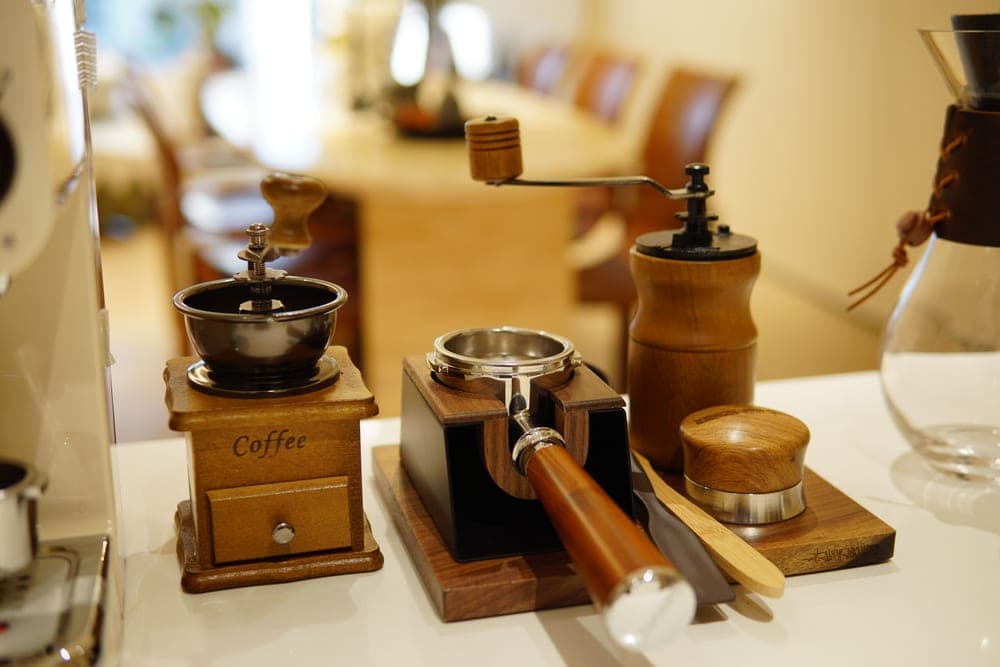
Hand vs electric grinder for espresso
A hand grinder can match a pricier electric on grind quality — the trade is time and volume. How to choose between the two for espresso.
Read the guide →