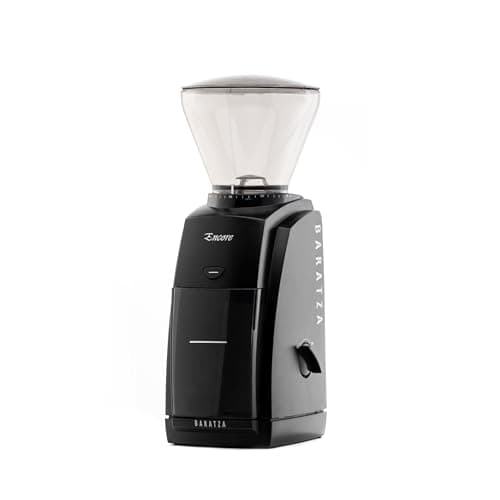
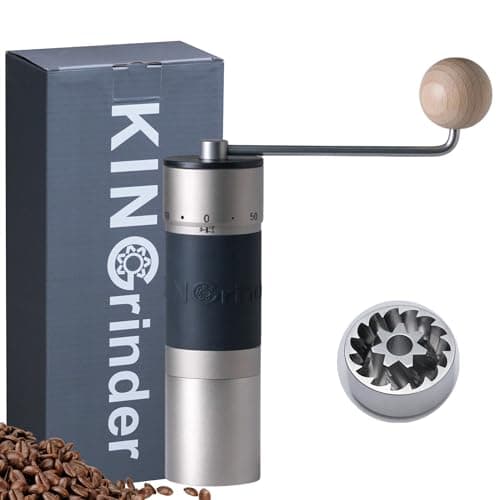
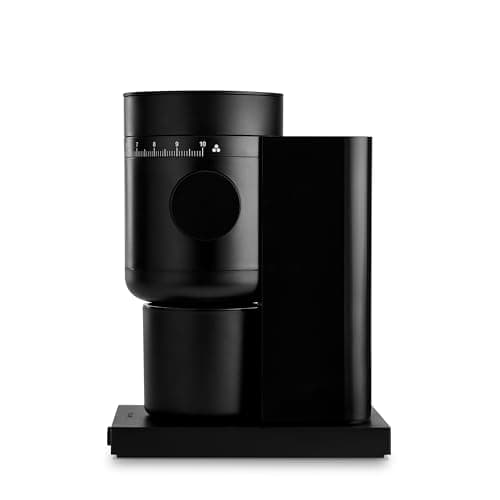
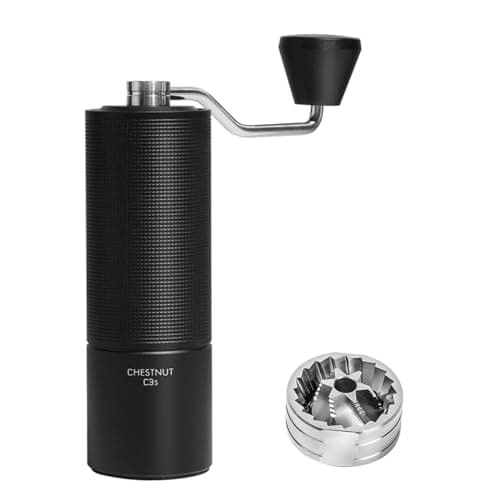
The best grinder for a moka pot is the Timemore Chestnut C3S — a stepless hand grinder with steel conical burrs whose whole adjustment range sits around the medium-fine window a moka wants, for about the price of two bags of good coffee. If you will not crank a handle on a weekday, the Baratza Encore is the electric to buy. If you want the finest control available at a sane price, the KINGrinder K6 gives you roughly 240 settings. And if your mornings include espresso as well as moka, the Fellow Opus 2 is the one grinder here that genuinely covers both.
Moka is the brew method most often ruined by the wrong grinder, and almost always for the same reason: the pot gets sold as a "stovetop espresso maker", so people buy an espresso grinder, grind espresso-fine, and get a bitter, sputtering mess. A moka pot is not an espresso maker. It builds roughly one to two bar of steam pressure against an untamped bed of coffee, where an espresso machine drives nine bar through a compressed puck. A fraction of the pressure and none of the compression means the coffee has to offer far less resistance, and that means a clearly coarser grind. Our moka pot grind size guide is the full mechanism; this page is the hardware.
What actually matters in a moka grinder
Resolution in the middle of the dial — not at the fine end. This is the whole decision, and it is the opposite of what espresso buyers are told. Moka sits in a medium-fine band: finer than drip, clearly coarser than espresso, about the texture of table salt. An espresso-geared grinder spends most of its adjustment range below that band, so the moka window is squeezed into two or three clicks at the top of the dial. A drip grinder has the opposite problem — the window is squeezed into the bottom two or three clicks. The grinder you want has plenty of usable settings through the middle, because moka rewards small adjustments: a bitter brew means go coarser, a weak thin one means go finer, and you want somewhere to go.
Burrs, not blades — and this one is not negotiable for moka. A blade grinder makes dust and boulders in the same scoop. In a moka pot the dust packs into the basket and blocks flow, raising pressure until the safety valve vents or the brew scorches, while the boulders contribute nothing. The failure is dramatic rather than subtle. Every pick here has conical steel burrs.
Capacity that matches your pot. This is the practical spec that catches people out. A 3-cup Bialetti takes roughly 15 to 17 grams of coffee; a 6-cup takes something closer to 25 to 30 grams. Hand grinders in this bracket typically hold 25 grams at most, which means a 6-cup brew is one grind if you are lucky and two if you are not. If you brew a big pot daily, an electric with a hopper stops being a luxury.
Low retention, because moka doses are small and daily.Grounds that stay in the chute are yesterday's coffee in today's pot. Hand grinders retain almost nothing — there is nowhere for grounds to hide — which is a real advantage of the two manual picks below over any hopper-fed electric.
What does not matter: flat burrs, single-dosing workflows, bellows, declumping chutes and anti-static tricks. All of those exist to serve espresso, where particle distribution and clumping decide whether nine bar of water channels. At one to two bar through an untamped bed, moka is a forgiving brew method as long as the grind size is right. That is good news: the grinder that makes excellent moka coffee is far cheaper than the grinder that makes excellent espresso.
One more thing worth saying plainly, because it saves money. If a moka pot is the only thing you brew, you do not need to spend more than about a hundred dollars on a grinder, and nothing above that figure will make the coffee noticeably better. The picks below are ordered with that in mind, and the two more expensive ones are here specifically for people who also pull shots — see best grinders for espresso if that is you and espresso is the priority.
The four grinders compared
Specs below are the manufacturers' published figures for the exact listings above. Prices come from the live price layer, with the "as of" date in the quick picks table.
| Grinder | Type | Burrs | Adjustment | Also does espresso? | Who it suits |
|---|
| Timemore Chestnut C3S | Manual | S2C steel conical | Stepless, filter-geared | No | Moka only, one or two pots a day |
| Baratza Encore | Electric | 40mm steel conical | 40 stepped settings | No | A household, a big pot, no cranking |
| KINGrinder K6 | Manual | 48mm stainless conical | ~240 clicks, ~16 microns each | Yes | Dialling moka in precisely, or moka plus shots |
| Fellow Opus 2 | Electric | 48mm conical | Stepless, espresso to cold brew | Yes | A kitchen with a moka pot and an espresso machine |
Why an espresso grinder is the wrong tool
This is the mistake that brings people to a page like this, so it is worth the paragraph. An espresso-geared grinder is designed so that most of its adjustment range lands in a band a few tens of microns wide, because that is where espresso lives and that is where fine control pays. Moka sits well above that band. On an espresso grinder the moka setting is therefore at the very coarse end of the dial — sometimes literally the last two or three clicks before the burrs stop touching — so you have almost nowhere to move if the brew comes out bitter.
You can brew moka on an espresso grinder, and plenty of people do. But the first thing they discover is that their moka coffee tastes harsh, and the second is that going coarser runs out of dial. If you own an espresso-geared grinder already, start at the coarsest setting that still produces a visible, granular grind and work down — and if the coffee is still bitter, the problem is that you have no range left, not that you are doing it wrong.
Grind settings to start from
Setting numbers do not transfer between grinders, so judge by texture first. Tip some onto a white plate: you want something close to table salt — granular, uniform, not powdery, and it should not clump when you press it with a finger. Powdered sugar is too fine; beach sand is too coarse.
Then correct by taste. Bitter, sputtering violently, or barely coming through: too fine. Go coarser. Thin, sour, watery, finished too fast: too coarse. Go finer. Change one thing at a time and give each setting a full brew before you judge it — moka pot grind size has the full troubleshooting table, and coffee-to-water ratio covers the other half of the recipe.
Do not tamp the basket. This is the other half of why moka wants a coarser grind than espresso: in a moka pot you fill the funnel and level it off, and all the resistance comes from particle size alone. Tamping a moka basket on top of a fine grind is how people end up venting the safety valve.
What about an induction hob, or a stainless pot?
Neither changes the grind. What changes the grind is pressure and contact time, and those are set by the pot's geometry and your heat, not by the material or the hob. A stainless pot heats more slowly than aluminium and a Brikka's weighted valve raises pressure above a standard pot's, which nudges the window slightly — but "medium fine, adjust by taste" remains the instruction. See moka pot on induction and our Bialetti Brikka review for those two specific cases.
If you also brew other things
Most kitchens are not single-method. The honest routing is simple. Moka plus French press or drip: the C3S or the Encore, because all three live in the filter half of the dial — best grinders for drip and pour over goes deeper. Moka plus espresso: the KINGrinder K6 if you are happy to crank, the Fellow Opus 2 if you are not, and best grinders for espresso if shots are the priority and moka is the side project. Moka plus AeroPress: anything on this page, because AeroPress grind size overlaps the moka window almost exactly.