Skip to content
Portafilter Co

Learn · Guides

Espresso machine leaking from the portafilter: how to fix it

Water escaping around the group head is almost never a broken machine. Five causes in order of how common they actually are, how to tell them apart in one shot, and what to buy only if you need to.

By Stephen V.Updated How we pick
#ad

We earn a commission when you buy through our Amazon links, at no extra cost to you. It never changes a verdict, and we say so when the cheaper product is the better buy. How this works.

If water is escaping around your portafilter instead of going through the coffee, the cause is almost certainly one of three things, and in this order: coffee grounds on the rim of the basket or the group, too much coffee in the basket, or a group gasket that is dirty, hardened or worn. All three are cheap or free to fix and none of them means the machine is broken. Wipe the rim, drop your dose by a gram or two, and clean the gasket and shower screen — that resolves the large majority of leaks. The first thing to do, before anything else, is to look at the puck.

A leak is a seal failure, and the seal is simple: the lip of the basket presses up into a rubber or silicone gasket in the group head, and the portafilter's lugs hold it there under nine bars of pressure. Anything that sits between the basket lip and the gasket — grounds, old coffee oil, a swollen puck — breaks the seal and water takes the easy route sideways. Anything that stops the handle rotating far enough does the same. Nine bars is a lot of pressure looking for a way out, and it will find whichever route is weakest.

Diagnose it with one shot.Lock the portafilter in without any coffee at all and run the pump for five seconds. If water still escapes around the group, the problem is the gasket or the lock — the coffee was never the issue. If it seals perfectly dry, the problem is your dose, your distribution or the grounds on the rim. That one test splits the whole diagnosis in half, and it takes ten seconds.

Then work through the five causes below in order. They are ranked by how often they are actually responsible on home machines, not by how dramatic they sound. Note that one cause — a leak during the pre-infusion or at the very end of the shot only — is often normal behaviour on a three-way-valve machine rather than a fault at all.

A leak that is specifically spraying rather than seeping, or that comes with a sour, fast shot, is a different problem: that is channeling through the puck, not a seal failure. See how to fix channeling. And if the machine is leaking from underneath rather than around the group, that is a drip tray, hose or boiler issue, and it is not what this page is about.

The five causes, in order of likelihood

1. Grounds on the basket rim or the gasket. The most common cause by a wide margin, and the easiest to miss because the grounds are the same colour as the gasket. After dosing, wipe the top edge of the basket and the rim of the portafilter with a fingertip or a cloth before you lock in. If you grind directly into the basket, this will happen every single time unless you use a dosing funnel.

2. Too much coffee in the basket.An overdosed puck swells when it is wetted and presses up into the shower screen, which lifts the basket lip away from the gasket. The classic tell is a puck with a deep circular imprint of the shower screen in it, or a puck that sticks to the screen when you unlock. Drop the dose by one to two grams and see if the leak stops. This is especially common on 54mm Breville and 51mm De'Longhi baskets, where people apply 18-20g doses written for 58mm commercial baskets.

3. A dirty, hardened or worn group gasket.Gaskets are rubber or silicone and they absorb coffee oil, harden and eventually compress permanently. A gasket caked in old coffee cannot form a seal even when nothing else is wrong. Clean it with a group brush and a backflush detergent; if the rubber is cracked, glazed or visibly flattened, replace it — it is a consumable, typically replaced every 6-12 months on a daily-use machine, and it is one of the cheapest parts on the machine.

4. The wrong basket, or a basket that does not seat.A basket that is the wrong diameter or the wrong depth will not present its lip to the gasket correctly. This bites people who buy "58mm" parts for a 58.5mm machine, 54mm parts for a 53mm Ninja, or aftermarket baskets for a De'Longhi Dedica whose stock portafilter carries a plastic insert. Confirm your size in the portafilter size chart by brand and check the fit notes on the matching accessories page.

5. The handle is not rotated far enough.On a new machine the gasket is stiff and the handle should come to a firm stop around the 6 o'clock to 7 o'clock position — if yours stops well short and feels loose, you are not engaging the lugs fully. On an old machine the opposite happens: a compressed gasket lets the handle rotate much further than it used to, which is itself a sign the gasket is due for replacement.

The short answer

Quick picks

#ProductBest forScorePrice
01
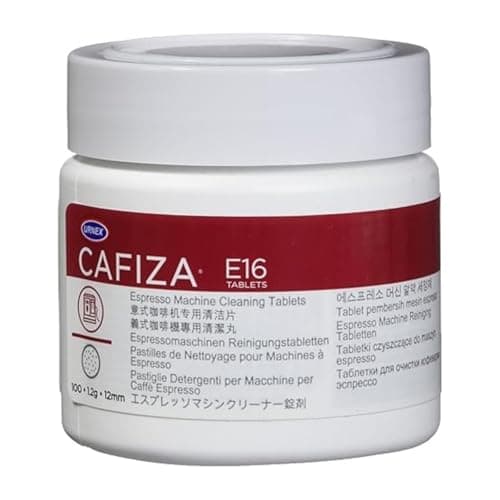
Urnex Urnex Cafiza Espresso Machine Cleaning Tablets (100 ct)
Urnex Cafiza Espresso Machine Cleaning Tablets (100 ct)

The fix for cause three, and the thing most leaking machines actually need. Cafiza tablets dissolve the coffee oil and fines that build up on the gasket, shower screen and group — the film that stops a gasket sealing even when it is not worn. Backflush with one tablet on a machine with a three-way valve, or soak the portafilter and basket in a solution if yours does not have one. A 100-count tub lasts most home users years.

Cleaning the gasket and group
8.8
$17.99Amazon
02
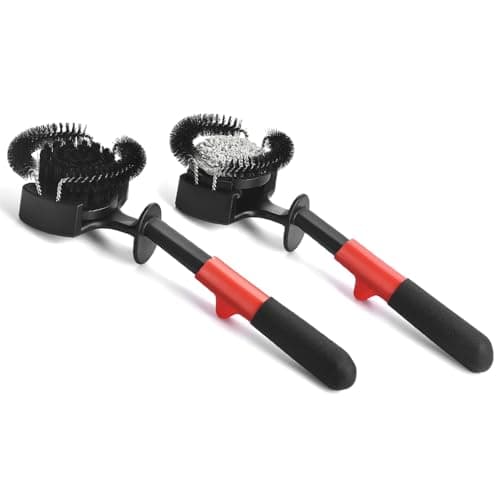
CAFEMASY CAFEMASY Grouphead Cleaning Brush (58mm, 2-pack)
CAFEMASY Grouphead Cleaning Brush (58mm, 2-pack)

The cheap tool that does the part detergent cannot: physically scrubbing the gasket groove and shower screen where grounds pack in. The angled head reaches up into the group so you can run it around the gasket while flushing water through. If you have never cleaned your gasket and the machine has started leaking, this plus ten seconds a day is the entire fix.

Scrubbing the gasket groove
7.0
$22.99Amazon
03
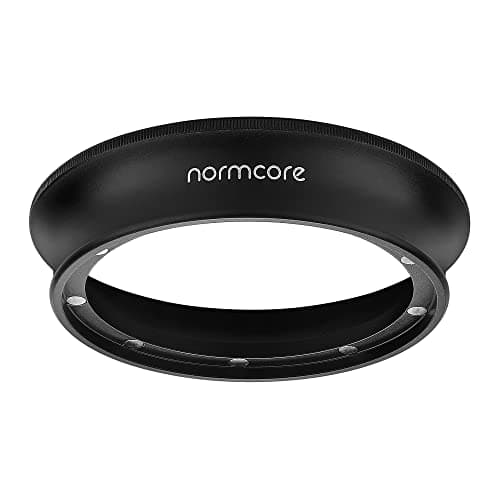
Normcore Normcore 58mm Magnetic Dosing Funnel V2
Normcore 58mm Magnetic Dosing Funnel V2

The fix for cause one, which is the most common cause of all. A magnetic funnel sits on the basket rim while you grind and distribute, so grounds land in the basket instead of on the lip where they break the gasket seal. It lifts straight off for tamping. If you grind directly into the portafilter and you are wiping the rim before every shot, this is the tool that stops the problem happening.

Keeping grounds off the rim
8.6
$23.99Amazon
04
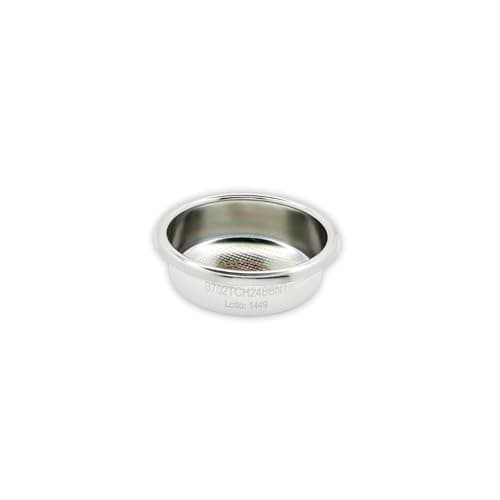
IMS IMS Competition Nanotech Filter Basket (58mm, 18g)
IMS Competition Nanotech Filter Basket (58mm, 18g)

Relevant to cause two and cause four: a precision basket with a stated dose capacity tells you what the basket actually holds, which is how you stop overdosing it. A basket specified at 18g with a convex competition profile seats properly against the gasket and gives the puck room to swell without pressing into the shower screen. Only buy this if you have established that your basket is the problem.

When the basket is the problem
9.0
$27.90Amazon

#ad · Live prices from the Amazon Product API, as of October 5, 2026. Where we have no verified live price, we show none — a gap beats a number that has rotted.

In detail

The picks, in full

01
Urnex Urnex Cafiza Espresso Machine Cleaning Tablets (100 ct)

Cleaning the gasket and group

Urnex Cafiza Espresso Machine Cleaning Tablets (100 ct)

Backflush detergent tablets100-count tub (long supply)Cleans group head, portafilter & basketsOdorless, food-safe, rinses clean
8.8/10

The fix for cause three, and the thing most leaking machines actually need. Cafiza tablets dissolve the coffee oil and fines that build up on the gasket, shower screen and group — the film that stops a gasket sealing even when it is not worn. Backflush with one tablet on a machine with a three-way valve, or soak the portafilter and basket in a solution if yours does not have one. A 100-count tub lasts most home users years.

Fixes gasket sealing
9
Value per use
10
Ease of use
8
Machine compatibility
8

Pros

  • Removes the oil film that is the real cause of many 'worn gasket' leaks
  • One tub is a multi-year supply for a home machine
  • Works as a soak for machines that cannot be backflushed
  • Food-safe and rinses clean, with no residual taste

Cons

  • It is a cleaner, not a descaler — it does nothing about limescale
  • Backflushing requires a three-way valve; not all entry machines have one
  • Will not rescue a gasket that is already cracked or permanently compressed

Don't buy this if…

…your problem is limescale and poor flow rather than a leak. You need a descaler for that, which is a different chemical.

The procedure matters as much as the product: how to backflush an espresso machine walks through it, including which machines can and cannot be backflushed. If you are not sure whether you need a cleaner or a descaler, that distinction is the whole of cleaning vs descaling, and the field is ranked in best espresso cleaning kits.

$17.99View on Amazon

Price as of October 5, 2026. Prices change — Amazon's at checkout is the one that counts.

#ad · we may earn a commission from this link to Urnex Cafiza Espresso Machine Cleaning Tablets (100 ct)

02
CAFEMASY CAFEMASY Grouphead Cleaning Brush (58mm, 2-pack)

Scrubbing the gasket groove

CAFEMASY Grouphead Cleaning Brush (58mm, 2-pack)

Grouphead cleaning brush58mm angled head, 2-packHeat-resistant nylon bristlesFor group head, shower screen & grinder
7.0/10

The cheap tool that does the part detergent cannot: physically scrubbing the gasket groove and shower screen where grounds pack in. The angled head reaches up into the group so you can run it around the gasket while flushing water through. If you have never cleaned your gasket and the machine has started leaking, this plus ten seconds a day is the entire fix.

Fixes gasket sealing
7
Value per use
9
Ease of use
9
Machine compatibility
7

Pros

  • Reaches the gasket groove, which is where grounds actually accumulate
  • Heat-resistant bristles survive being used while flushing hot water
  • Two in a pack: one for the group, one for the grinder
  • Costs almost nothing and belongs next to every machine

Cons

  • Sized for 58mm groups; usable but less ideal on 51mm and 54mm machines
  • Bristles splay over time and need replacing
  • Does not replace detergent for dissolved oils

Don't buy this if…

…you already own a group brush. One is enough — this is maintenance, not an upgrade.

The daily habit that prevents most leaks: after the last shot, flush the group for two seconds, run the brush around the gasket, and wipe. Thirty seconds a week of this is worth more than any part you can buy.

$22.99View on Amazon

Price as of October 5, 2026. Prices change — Amazon's at checkout is the one that counts.

#ad · we may earn a commission from this link to CAFEMASY Grouphead Cleaning Brush (58mm, 2-pack)

03
Normcore Normcore 58mm Magnetic Dosing Funnel V2

Keeping grounds off the rim

Normcore 58mm Magnetic Dosing Funnel V2

58mm fit, 18mm tallAnodized aluminium9 magnetsLifts off for tamping
8.6/10

The fix for cause one, which is the most common cause of all. A magnetic funnel sits on the basket rim while you grind and distribute, so grounds land in the basket instead of on the lip where they break the gasket seal. It lifts straight off for tamping. If you grind directly into the portafilter and you are wiping the rim before every shot, this is the tool that stops the problem happening.

Fixes gasket sealing
8
Value per use
8
Ease of use
9
Machine compatibility
7

Pros

  • Eliminates grounds on the basket rim — the leading cause of portafilter leaks
  • Magnets hold it firmly while you WDT and level the dose
  • Also stops the grind-everywhere mess around the machine
  • Lifts off cleanly so it never interferes with the tamp

Cons

  • Size-specific: buy the 58mm, 54mm or 51mm version to match your basket
  • One more thing to clean and store
  • Does nothing for a worn gasket or an overdosed basket

Don't buy this if…

…you grind into a dosing cup and transfer. The cup already solves this; you do not need both.

Match the diameter to your machine, not to this page: there are 54mm and 51mm versions of the same funnel, and the right one is whichever matches your basket. The 58mm, 54mm and 51mm accessories pages each rank the correct funnel for that size.

$23.99View on Amazon

Price as of October 5, 2026. Prices change — Amazon's at checkout is the one that counts.

#ad · we may earn a commission from this link to Normcore 58mm Magnetic Dosing Funnel V2

04
IMS IMS Competition Nanotech Filter Basket (58mm, 18g)

When the basket is the problem

IMS Competition Nanotech Filter Basket (58mm, 18g)

58mm diameter18g dose capacityConvex competition profile, ridgelessNanotech quartz non-stick coating
9.0/10

Relevant to cause two and cause four: a precision basket with a stated dose capacity tells you what the basket actually holds, which is how you stop overdosing it. A basket specified at 18g with a convex competition profile seats properly against the gasket and gives the puck room to swell without pressing into the shower screen. Only buy this if you have established that your basket is the problem.

Fixes gasket sealing
7
Value per use
8
Ease of use
9
Machine compatibility
7

Pros

  • A stated, honest dose capacity — the cure for guessing at dose
  • Precise diameter and lip, so it seats correctly against the gasket
  • Non-stick coating releases the puck cleanly, so less residue reaches the gasket
  • Ridgeless design for machines that take it

Cons

  • 58mm only; buy the matching size for a 54mm or 51mm machine
  • Ridgeless baskets can sit low in some portafilters — check yours
  • Does nothing for a leak caused by a worn gasket

Don't buy this if…

…your dry-lock test leaked. That is a gasket problem, and a new basket will not touch it.

Dose is size-dependent and it is where most overdose leaks begin: a 58mm basket takes 18-20g, a 54mm Breville basket about 18-19g, and a 51mm De'Longhi basket more like 14-16g. Applying 58mm advice to a 51mm basket guarantees a swollen puck. The full basket field is ranked in best precision baskets.

$27.90View on Amazon

Price as of October 5, 2026. Prices change — Amazon's at checkout is the one that counts.

#ad · we may earn a commission from this link to IMS Competition Nanotech Filter Basket (58mm, 18g)

Diagnosis table: what the symptom tells you

What you seeMost likely causeFix
Leaks with an empty basket locked inGasket dirty, hardened or worn; or handle not lockingClean the gasket; replace it if cracked or flattened
Shower-screen imprint in the puck, or puck sticks to the screenOverdosed basketReduce dose by 1-2g
Grounds visible on the rim after unlockingGrounds breaking the sealWipe the rim; use a dosing funnel
Handle rotates much further than it used toGasket compressed with ageReplace the gasket (a 6-12 month consumable)
Handle stops short and feels looseNot fully engaged, or wrong basket seating highRotate firmly to the stop; confirm basket size and depth
Spraying sideways with a fast, sour shotChanneling, not a seal failureSee how to fix channeling
A few drips during pre-infusion or right after the shotOften normal three-way-valve behaviourNothing — this is the machine releasing pressure

How to clean a group gasket properly

Turn the machine off and let the group cool enough to touch. Remove the portafilter and look up into the group: you should see a flat rubber or silicone ring with a shower screen inside it. Run the group brush around the gasket groove while flushing short bursts of water, which carries the loosened grounds out rather than deeper in. If the machine has a three-way valve, backflush with a blind basket and a cleaning tablet. Then wipe the gasket face and check it: supple and matte is healthy; glazed, cracked or permanently dished means replace. On most home machines the gasket is a push-fit part you can lever out with a screwdriver and replace in a few minutes, and it costs very little.

Dose by basket size, not by internet advice

Overdosing is the second most common cause of leaks and the easiest to create by accident, because almost all espresso advice online is written for 58mm commercial baskets. Use the numbers for your actual size — roughly 18-20g at 58mm, 18-19g in a 54mm Breville basket, 14-16g in a 51mm De'Longhi basket — and if in doubt, go down a gram. A dry puck should sit a few millimetres below the basket rim before brewing, with enough headroom that it can swell without touching the shower screen. Portafilter sizes explained covers how the sizes differ, and espresso puck prep covers the dosing routine.

When it is actually a fault

Three cases justify a service call rather than a wipe and a dose change. A leak that continues after a thorough clean and a brand-new gasket points at a damaged group seat or a deformed basket lip. Water appearing from the body of the machine rather than the group is a hose, boiler or over-pressure-valve issue. And a leak accompanied by weak pressure and poor flow is usually limescale restricting the water path, which is a descaling job rather than a sealing one — see how to descale and espresso pressure problems.
How we picked

We did not lab-test this gear

Everyone in this category says they tested twenty machines. We have not pulled shots on every product here, and we say so. What we did instead: compiled the published specifications, cross-checked the manufacturer manuals, computed the running cost (wattage to energy, grams-per-shot to cost-per-cup), weighed aggregated owner reports, and scored each product against a published rubric. The scores are judgments from documented research — not measurements we took, because we do not have a test lab and we will not pretend we do. Where hands-on time would tell you more than a spec sheet, we flag it. Where a number came from someone else's work, we name them in Sources.

Questions

Frequently asked

Why is my espresso machine leaking around the portafilter?
Almost always one of three things: coffee grounds sitting on the basket rim or gasket and breaking the seal, too much coffee in the basket so the swollen puck presses into the shower screen, or a group gasket that is dirty, hardened or worn. Lock an empty basket in and run the pump — if it still leaks, it is the gasket.
How do I know if my group gasket needs replacing?
Two signs: the portafilter handle rotates noticeably further than it used to (the gasket has compressed), and the rubber looks glazed, cracked or permanently dished rather than matte and supple. On a daily-use machine a gasket is typically replaced every 6-12 months and costs very little.
Can too much coffee cause a leak?
Yes, and it is one of the most common causes. An overdosed puck swells when wetted and presses up into the shower screen, lifting the basket lip off the gasket. The tell is a deep screen imprint in the spent puck. Drop the dose by one to two grams — and use the dose range for your basket size, not the 18-20g figures written for 58mm baskets.
Is a little water dripping from the group normal?
A few drips during pre-infusion or immediately after the shot is usually normal on a machine with a three-way solenoid valve — it is releasing the pressure behind the puck. A steady leak sideways around the portafilter while the pump is running is not normal.
Should I tighten the portafilter harder?
No. Force is not what makes the seal; correct engagement is. Rotate firmly to the machine's stop, which is typically somewhere between 6 and 7 o'clock on a new gasket. Over-tightening stresses the lugs and the gasket without improving the seal.
Does a puck screen help with leaks?
Indirectly and only a little. A puck screen keeps the shower screen cleaner, which keeps residue off the gasket face over time — but it adds height above the puck, so if you are already overdosed it can make a leak worse. Fix the dose first. See best puck screens.

Keep reading

Same gear, other pages

We cover this gear elsewhere too

Receipts

Sources

We do not run a testing lab, and we do not pretend to. Where a measured number came from someone else's work, we name them and link them. Where we could not verify something, we say so on the page rather than quietly leaving it out. Read our full method.