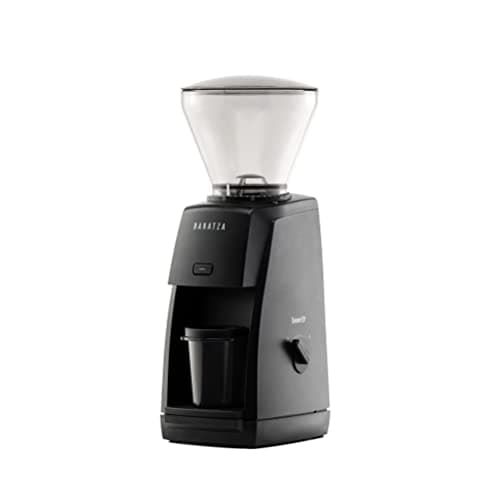
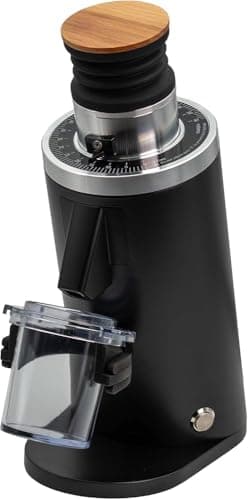
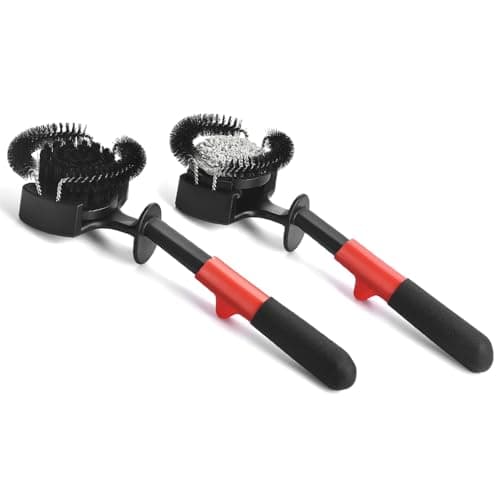
Clean a coffee grinder dry, with a brush, and never with water. Unplug it, empty the hopper, brush out the chute and the burr chamber, and — every few months — remove the top burr and brush the burr faces and carrier properly. That is the whole job, it takes ten minutes, and it is the single most neglected piece of maintenance on a home coffee setup. Water is the one thing that genuinely damages a grinder: coffee fines plus moisture make a paste that sets hard in the burr carrier and rusts steel burrs.
The reason it matters is taste. Coffee oil goes rancid, and the fines left behind inside a grinder are the oldest coffee in your kitchen — they sit in the chute, around the burr carrier and under the hopper collar, oxidising. Every dose you grind passes over them and picks some of them up. If your espresso has developed a flat, slightly stale, slightly ashy note that a new bag of beans does not fix, the grinder is the first place to look, well before the machine.
There is also a performance reason: packed fines change what the grinder does. Build-up in the burr chamber alters the effective gap, so the setting that was dialled in last month now grinds differently, and clumps fall through unevenly. People chase that with grind adjustments for weeks when a brush would have fixed it in minutes.
The ten-minute routine
1. Unplug it and empty the hopper.Store the beans in an airtight container while you work — do not leave them in an open hopper absorbing the kitchen. 2. Grind the grinder empty. Run it with nothing in it for a few seconds so loose grounds clear the burrs. 3. Brush the chute and exit. This is where most retained coffee lives; a stiff brush, pointed up into the exit, dislodges a surprising amount. 4. Brush the burr chamber.On most electric grinders the upper burr lifts out after removing the hopper and a retaining ring or a few screws — check your manual. Brush the burr faces, the carrier threads and the chamber walls, and tip the body so the debris falls out rather than in. 5. Vacuum or blow it out. A vacuum nozzle at the chute is ideal; compressed air works but will spray fines everywhere, so do it outside. 6. Reassemble and re-dial. A clean grinder often needs a click or two of adjustment, because you have just removed the packing that was changing the gap.
Hand grinders are easier and should be done more often, because they come apart completely: unscrew the handle and the adjustment nut, slide the shaft and burr out, brush everything, and reassemble. No tools, no electricity, two minutes. Keep water away from the bearings and the wooden or painted parts.
How often
Brush the chute and the exit every one to two weeks on a grinder used daily. Do a proper burr strip-down every three to six months, or sooner if you grind oily dark roasts, which gum up far faster than light ones. If you switch between coffees often, brush more: the point of a clean grinder is partly that yesterday's bean is not in today's cup. And replace burrs when they dull — typically somewhere around 500-1000 kilos of coffee for steel burrs in a home grinder, which for most people means "eventually, not this year", with the tell being that you have to grind finer and finer for the same shot time.
What not to do
No water, no dishwasher, no damp cloth inside.The hopper and lid can be washed if they are removable plastic or glass — dry them completely before refitting. No rice. Grinding rice is a widely repeated tip and a genuinely bad idea in a burr grinder: it is harder than coffee, it can chip burrs and strain the motor, and manufacturers advise against it. If you want an abrasive cleaner, use a purpose-made grinder cleaning tablet product designed for the job, which is food-safe and formulated to be softer than the burrs. No metal tools scraping burr faces. And no espresso machine cleaner or descaleranywhere near a grinder — those are liquid chemistries for the machine side, and the distinction is the whole of cleaning vs descaling.
Cleaning schedule by grinder type
| Grinder type | Brush the chute | Strip the burrs | Watch out for |
|---|
| Hand grinder | Every 1-2 weeks | Every 1-2 months (it is trivial) | Water near bearings and wooden parts |
| Electric with hopper | Weekly | Every 3-6 months | Fines packed around the burr carrier changing your setting |
| Single-dose electric | Every few weeks | Every 6 months | Static scattering fines inside the body |
| Built-in machine grinder | Per the manual, with the supplied brush | Only as the manual allows | Do not disassemble past what the manufacturer documents |
| Blade grinder | Wipe dry after use | N/A | It is not an espresso grinder at all |
Oily dark roasts change the schedule
Dark, visibly oily beans leave a sticky film that accumulates much faster than light roasts do, and that film is what turns rancid. If you drink dark roasts, halve every interval above. It is also worth knowing that oily beans clump more in the chute, which produces exactly the uneven dose that causes channeling — one more reason build-up is a shot-quality problem and not just a hygiene one. See how to fix channeling.
Store beans properly and you clean less
Most of the mess inside a grinder arrives with the beans. Beans left in a hopper for weeks go stale, shed oil and absorb kitchen smells; an airtight opaque container at room temperature keeps them in condition and keeps the hopper empty between sessions. How to store coffee beans covers what actually works, and best coffee canistersranks the containers — including vacuum ones, which genuinely slow oxidation rather than just looking the part.
After cleaning: expect to re-dial
A grinder that has just had packed fines removed from its burr chamber will grind slightly differently, because you have changed the effective gap. Expect to move one or two clicks and re-time a shot. This is normal and temporary, not a sign you broke something. The loop is in how to dial in espresso, and if the shots are suddenly fast and sour, why is my espresso sour or bitter is the diagnosis page.