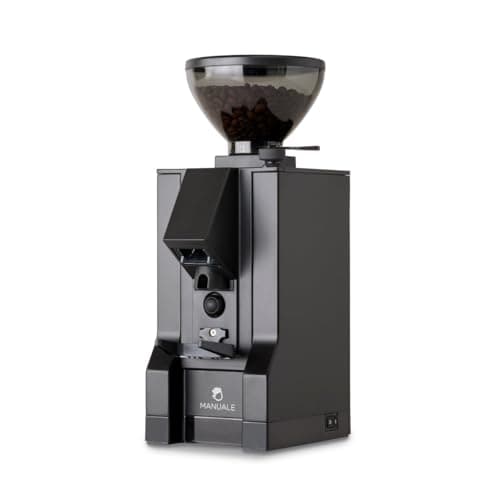
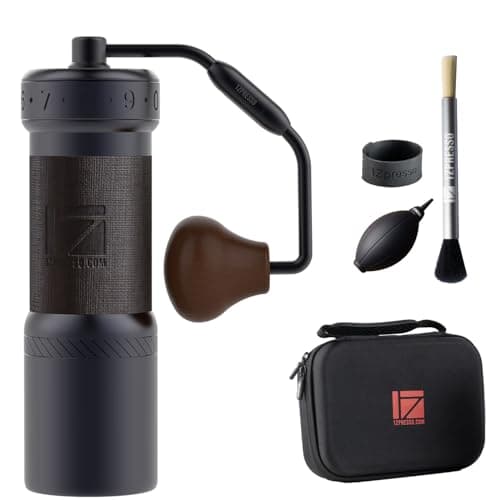
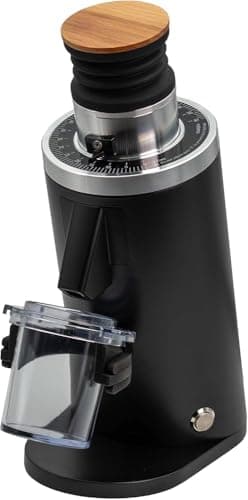
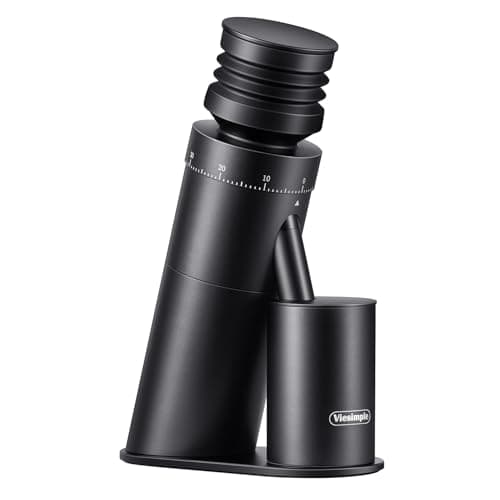
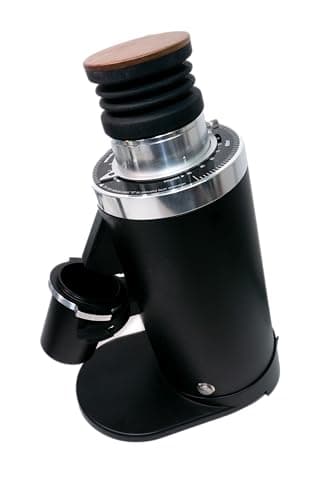
The best Niche Zero alternative for most people is the DF64 Gen 2— a single-dose grinder with stepless adjustment and a low-retention path, which is the same three-part proposition the Niche is bought for, at a lower price and from stock. If you want the Niche's compact footprint and quiet operation more than its burr size, the Eureka Mignon Notte is the one to buy. And the budget pick is the Viesimple Gen 4, the cheapest genuine single-dose grinder here by a wide margin.
First, what the Niche Zero actually is, because "alternative to" only means something if the original is described accurately. Niche Coffee builds it around a 63mm conical burr set, with stepless adjustment and a single-dose workflow: you weigh beans into the hopper, grind, and the design routes almost all of them out rather than leaving them in the machine. Those are the published characteristics, and they are the reason it has the reputation it has — it is a well-regarded grinder, and this page is not an argument against it. It is a page for people who have decided they want what it does and are looking at other ways to get it.
So be specific about which of its three strengths you actually need. People shopping for a Niche alternative are usually chasing one of three things, and the right answer is different for each.
If you want the single-dose workflow — weigh a dose, grind a dose, no hopper of stale beans sitting in the light — then the whole DF range was built around the same idea, and the Viesimple Gen 4 does it for the least money of anything here. Single dosing is also the reason retention matters so much: if the machine holds back five grams of the last dose, a single-dose workflow is fiction. Single dosing explained covers the workflow properly.
If you want conical burrs specifically — and some people do, because conical burrs tend toward a slightly wider particle distribution that reads as body and forgiveness in the cup, where flat burrs read as clarity and separation — then note that most of the single-dose market has gone flat. The honest conical answers in this registry are the 1Zpresso K-Ultra and the Comandante C40, both of which are manual, and both of which have genuinely zero retention because there is nowhere for grounds to hide. Best flat burr grinders lays out the geometry difference in full.
If you want the footprint and the quiet — a grinder that fits beside a machine on a normal counter and can be run at six in the morning without waking a house — the Eureka Mignon Notte is the pick, and it is quieter than anything else on this page.
One thing worth saying plainly. A grinder at this level is a refinement purchase, not a rescue. If your shots channel, if your basket is pressurized, or if you are not weighing dose and yield, none of these grinders will fix the problem and a much cheaper set of fixes will. See how to fix channeling and best espresso accessories under $25 first — that is genuinely the better spend if your process is not yet tight.
Decide which strength you are replacing. Single-dose workflow and low retention: the DF64 Gen 2, the DF54 or the Viesimple Gen 4. Conical burrs and truly zero retention: the 1Zpresso K-Ultra. Compact footprint and quiet running: the Eureka Mignon Notte. Trying to match all of them at once is what makes this a hard shopping decision — pick the one that actually bothers you about your current setup.
Flat against conical, settled fairly. This is the one genuine difference between the Niche and most of the alternatives, and it is a taste position rather than a quality ranking. Flat burrs shear between parallel rings and tend toward a narrow particle distribution, which reads as clarity and separation. Conical burrs crush at an angle and tend toward a slightly wider distribution, which reads as body and a bit more forgiveness. Plenty of excellent espresso is pulled on both. Best flat burr grinders has the longer version.
Retention is the spec to interrogate, not burr size."Low retention" is a claim everyone makes and it means different things. What matters in practice is simple: change the grind one step and pull a shot. If the shot behaves as if you had not changed anything, the machine is holding back the previous dose and you will need to purge before every change. A hand grinder has this problem to a degree of exactly zero, which is why the K-Ultra scores where it does above. Single dosing explained covers how to work with either.
What the money buys above and below this page. Below it, our best electric espresso grinders under $500 page includes most of these picks alongside the hopper-fed alternatives. Above it, best high-end espresso grinders covers the 64mm flat and variable-speed tier. If you are matching a grinder to a machine rather than to another grinder, best espresso machines without a grinder is the other half of the decision.
How we picked
We did not lab-test this gear
Everyone in this category says they tested twenty machines. We have not pulled shots on every product here, and we say so. What we did instead: compiled the published specifications, cross-checked the manufacturer manuals, computed the running cost (wattage to energy, grams-per-shot to cost-per-cup), weighed aggregated owner reports, and scored each product against a published rubric. The scores are judgments from documented research — not measurements we took, because we do not have a test lab and we will not pretend we do. Where hands-on time would tell you more than a spec sheet, we flag it. Where a number came from someone else's work, we name them in Sources.