Skip to content
Portafilter Co

Grinders · Coffee Grinders

DF64V Gen 3 vs DF64 Gen 2: which single-dose DF should you buy?

Two grinders on the same 64mm flat-burr, single-dose DF platform. The DF64V Gen 3 is the variable, versatile take built for moving between espresso and pour over; the DF64 Gen 2 is the refined value baseline that made affordable single-dosing normal. Here is exactly which one is worth your money.

By Stephen V.Updated How we pick
#ad

We earn a commission when you buy through our Amazon links, at no extra cost to you. It never changes a verdict, and we say so when the cheaper product is the better buy. How this works.

The DF64V Gen 3 and the DF64 Gen 2 are two takes on the same idea — a 64mm flat-burr, single-dose grinder that made affordable, low-retention single-dosing mainstream. Both weigh in one dose at a time, grind it through proper flat burrs, and leave very little behind, and both come off the DF platform designed and built by Coffee-Tech Engineering and sold under several brand names. Because they share the burrs and the single-dose philosophy, the grind they produce is genuinely close. What separates them is focus: the DF64V Gen 3 is the variable, versatile version aimed squarely at people who switch between a fine espresso grind and a coarse pour-over one, while the DF64 Gen 2 is the refined value baseline that most home espresso drinkers reach for. We cover the baseline on its own in our DF64 Gen 2 review.

Here is the honest shape of it. The DF64 Gen 2 is the maturity pass on the grinder that started the whole category: it keeps the clean 64mm flat-burr grind and the short, low-retention path, and it smooths down the small build and quality-control quirks that dogged the earliest units. It grinds fine enough for espresso, opens up far enough for filter, and does it at a price that reads as normal rather than aspirational. The DF64V Gen 3 keeps all of that — the same 64mm flat burrs, the same single-dose, low-retention design — and adds the variable configuration and convenience aimed at genuinely moving between two brew methods without a fight. It is also the pricier of the two, which is the tension this whole comparison turns on: you are paying more for versatility, and versatility is only worth paying for if you will actually use it.

So the question is narrow and answerable. Do you brew one thing — espresso, most likely — or do you really move between espresso and filter often enough that switching cleanly is part of your routine? If it is one brew, the Gen 2 gives you more of your money back for a nearly identical cup. If it is genuinely two, the DF64V Gen 3 is built for exactly that. This page walks through the shared platform, what "variable" buys you, the seller-and-support caveat both share, and the clump-management reality of any flat-burr single-doser, then tells you which DF fits you. Both sit in our best single dose grinders roundup, and both compete in our best flat burr grinders.

The short answer

Quick picks

#ProductBest forScorePrice
01
DF64 DF64V Gen 3 Single Dose Coffee Grinder
DF64V Gen 3 Single Dose Coffee Grinder

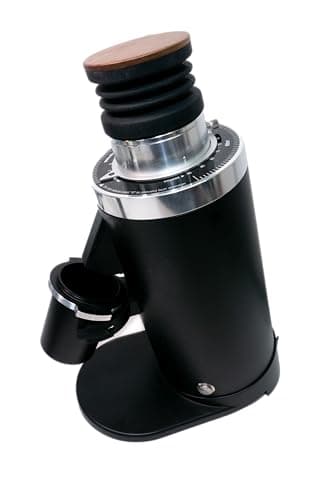
The DF for people who really do switch between espresso and filter. The DF64V Gen 3 is the variable, versatile take on the platform, built around moving between a fine espresso grind and a coarse pour-over one without a fight, and it keeps the 64mm flat burrs and the single-dose, low-retention design that make the whole DF line worth buying. It is the most feature-rich DF for a genuine two-brew household — and it is also the priciest of these two, so it only makes sense if that versatility is a real part of how you brew rather than a nice idea. If you only ever pull espresso, you are paying for flexibility you will not use, and the standard DF64 Gen 2 gives you more of your money back for a nearly identical cup.

Best for espresso + filter switching
8.2
$550.00Amazon
02
DF64 DF64 Gen 2 Single Dose Coffee Grinder
DF64 Gen 2 Single Dose Coffee Grinder

The grinder that made affordable single-dosing normal, refined — and the better-value pick of these two. The DF64 Gen 2 pairs 64mm flat burrs with a genuinely single-dose design and a short, low-retention path, so what you weigh in is very close to what lands in the cup, and Gen 2 tidied up the small build and quality-control quirks that dogged the earliest units. It grinds fine enough for espresso and opens up enough for filter, and nothing else near the price gives you flat-burr grind quality with this little fuss. The catches are the ones the category never advertises: it is a third-party platform, so buy from a reputable seller; it wants a little clump-management to grind at its best; and it is louder than a premium grinder. Accept those and it is the most sensible single-doser most home espresso drinkers can buy.

Best value of the two
8.4
$389.00Amazon

#ad · Live prices from the Amazon Product API, as of Jul 30, 2026. Where we have no verified live price, we show none — a gap beats a number that has rotted.

In detail

The picks, in full

01
DF64 DF64V Gen 3 Single Dose Coffee Grinder

Best for espresso + filter switching

DF64V Gen 3 Single Dose Coffee Grinder

64mm flat burrsSingle-dose, low-retention designEspresso + filter versatilityVariable configuration (the priciest DF here)
8.2/10

The DF for people who really do switch between espresso and filter. The DF64V Gen 3 is the variable, versatile take on the platform, built around moving between a fine espresso grind and a coarse pour-over one without a fight, and it keeps the 64mm flat burrs and the single-dose, low-retention design that make the whole DF line worth buying. It is the most feature-rich DF for a genuine two-brew household — and it is also the priciest of these two, so it only makes sense if that versatility is a real part of how you brew rather than a nice idea. If you only ever pull espresso, you are paying for flexibility you will not use, and the standard DF64 Gen 2 gives you more of your money back for a nearly identical cup.

Grind quality
9
Low retention
9
Versatility
10
Build & workflow
8
Value
5

Pros

  • Built around switching cleanly between espresso and filter grinds
  • 64mm flat burrs deliver the same clean, uniform grind as the standard DF64 Gen 2
  • Single-dose, low-retention path keeps bean-to-bean switching easy
  • The most feature-rich DF for a genuine two-brew-method household

Cons

  • The most expensive of these two DF grinders
  • The added versatility is wasted if you only ever pull espresso
  • Shares the fines and light static of the whole flat-burr class
  • Still a third-party platform — you have to buy from a reputable seller for warranty and spares

Don't buy this if…

you only brew espresso, or you want the cheapest way into the platform — the standard DF64 Gen 2 gives you the same core grind and more of your money back.

$550.00View on Amazon

Price as of Jul 30, 2026. Prices change — Amazon's at checkout is the one that counts.

#ad · we may earn a commission from this link to DF64V Gen 3 Single Dose Coffee Grinder

02
DF64 DF64 Gen 2 Single Dose Coffee Grinder

Best value of the two

DF64 Gen 2 Single Dose Coffee Grinder

64mm flat burrsStepless adjustmentSingle-dose, low-retention designEspresso to filter
8.4/10

The grinder that made affordable single-dosing normal, refined — and the better-value pick of these two. The DF64 Gen 2 pairs 64mm flat burrs with a genuinely single-dose design and a short, low-retention path, so what you weigh in is very close to what lands in the cup, and Gen 2 tidied up the small build and quality-control quirks that dogged the earliest units. It grinds fine enough for espresso and opens up enough for filter, and nothing else near the price gives you flat-burr grind quality with this little fuss. The catches are the ones the category never advertises: it is a third-party platform, so buy from a reputable seller; it wants a little clump-management to grind at its best; and it is louder than a premium grinder. Accept those and it is the most sensible single-doser most home espresso drinkers can buy.

Grind quality
9
Low retention
9
Versatility
8
Build & workflow
7
Value
9

Pros

  • 64mm flat burrs give clean, uniform grounds that punch well above the price
  • Built as a single-doser from the start — weigh in, grind, brew, with very little left inside
  • Stepless adjustment lets you nudge the grind by a hair for espresso
  • Gen 2 tidied up the small build and QC quirks that dogged early first-generation units
  • The platform is popular enough that owner knowledge, tweaks and spares are everywhere

Cons

  • Sold as a third-party platform under several sellers — buy from a reputable one for warranty and spares
  • Wants a little clump-management (a bellows puff and a quick WDT stir) to grind at its best
  • Louder than a premium traditional grinder such as a Eureka
  • Some fines and light static remain, like almost every home flat-burr grinder

Don't buy this if…

you genuinely switch between espresso and pour over all the time and want the platform built around that — the variable DF64V Gen 3 is the one designed for two-brew households.

$389.00View on Amazon

Price as of Jul 30, 2026. Prices change — Amazon's at checkout is the one that counts.

#ad · we may earn a commission from this link to DF64 Gen 2 Single Dose Coffee Grinder

The shared platform: 64mm flat burrs, single dose, low retention

Start with what is the same, because it is most of the grinder. Both the DF64V Gen 3 and the DF64 Gen 2 run a 64mm flat-burr set — two ring-shaped burrs facing each other — which tends to produce a very uniform grind that many people prefer for clarity in espresso and filter alike. Both are single-dosers by design: you weigh in one brew's worth of beans, grind all of it, and start empty again, so the coffee is fresher and switching between bags is trivial. And both use a short, low-retention grind path, the feature that made the DF line's reputation, so very little coffee is trapped inside between doses and what you weigh in is close to what you brew. Because they share the burrs and the path, the grind quality is genuinely close — if you put a shot from each side by side, the burrs are not where the difference lives. That shared foundation is why this comparison is about focus and value, not about one grinder making better coffee than the other.

What "variable" actually buys you on the DF64V Gen 3

The DF64V Gen 3 is the variable, versatileversion of the platform, and its reason for existing is switching between brew methods. Where a single-purpose grinder is happiest left on one setting, the DF64V is built to move between a fine espresso grind and a coarse pour-over one without a fight — the convenience a two-brew household actually notices. If you pull a shot in the morning and brew a light-roast pour over in the afternoon, and you do that often, the DF64V is designed for exactly that back-and-forth. The honest flip side is that this versatility is the only real reason to pay the premium over the standard Gen 2. If you only ever pull espresso, you will park the grinder on one setting and never use the flexibility you paid for, which is why we score the DF64V high on versatility but hold its value score down. Buy the versatility because it matches your routine, not because more features sound better.

The Gen 2 refinements, and why the baseline is still the value king

The DF64 Gen 2 is a maturity pass on the original DF64. The first-generation units earned their reputation on grind quality but collected a steady stream of small complaints — burr alignment some owners chased, static that flung grounds around, a few parts that felt rattlier than they should. Gen 2 keeps the clean flat-burr grind and smooths those rough edges down. What it does not do is chase versatility features, and that is exactly why it is the better value: you are paying for the core single-dose experience done well, and nothing you will not use. For the large number of buyers whose main and often only brew is espresso, the Gen 2 delivers a nearly identical cup to the DF64V for meaningfully less, which is why it out-scores the DF64V on overall value here. If you have read older reviews warning about a quality-control lottery, understand you are largely reading about the earlier era; the DF64 Gen 2 review covers what actually changed in our full DF64 Gen 2 write-up.

Buy from a reputable seller — this is a platform, not a single brand

This caveat applies to both grinders, so it goes in bold: the DF line is a third-party platform, designed and manufactured by Coffee-Tech Engineering and sold under several brand names by a range of resellers. That is not a warning against the grinders — it is how the whole DF line reaches the market — but it means the badge on the front and the storefront you buy from decide your warranty, your spares access and your after-sales support far more than they would with a single-brand grinder. Buy from a reputable, established seller and you get a supported product with parts you can source; chase the very cheapest listing and you can end up with thinner support if something goes wrong. Before you check out on either the DF64V Gen 3 or the DF64 Gen 2, confirm the seller is a recognised one, that a warranty is stated, and that replacement burrs and small parts are available for that revision. This matters more than the choice between the two models.

Clump-management and noise: the honest reality of a flat-burr single-doser

Like most home flat-burr grinders, both DFs produce some static and the occasional clump, especially with fresh, oily or light-roast beans ground fine for espresso. The fix is a small, repeatable ritual rather than a defect: a puff or two from a bellows clears the chamber so retention stays low, and a quick stir with a WDT tool in the dosing cup breaks up any clumps before you tamp, which evens out the puck and the extraction. It is about ten seconds of workflow, and once it is a habit you stop noticing it — but if you expect to press a button and get a perfectly fluffy dose with zero fuss, that is not what a flat-burr single-doser at this price is. Both are also louder than a premium traditional grinder, though they run briefly rather than droning. None of this separates the two models from each other; it is the shared character of the platform, and it is worth knowing before you buy either. How we reach every score is set out on our methodology page.

What we did not test

We have not run either grinder for months on a bench, and we do not claim to have. This comparison compiles Coffee-Tech Engineering's published specifications for the DF64V Gen 3 and the DF64 Gen 2, cross-checks the single-dose and low-retention design claims, and weighs aggregated owner reports — including the well-documented first-generation quality-control history — against our scoring rubric. The 64mm burr size, the single-dose design and the variable configuration of the DF64V come from the maker's own materials, listed in Sources. Where hands-on time would tell you more than a spec sheet — exactly how many grams each retains, how loud each really is in your kitchen, how one seller's revision differs from another — we say so rather than invent a figure. We do not quote prices from memory; the live price renders from our pipeline with the date it was checked.
How we picked

We did not lab-test this gear

Everyone in this category says they tested twenty machines. We have not pulled shots on every product here, and we say so. What we did instead: compiled the published specifications, cross-checked the manufacturer manuals, computed the running cost (wattage to energy, grams-per-shot to cost-per-cup), weighed aggregated owner reports, and scored each product against a published rubric. The scores are judgments from documented research — not measurements we took, because we do not have a test lab and we will not pretend we do. Where hands-on time would tell you more than a spec sheet, we flag it. Where a number came from someone else's work, we name them in Sources.

Questions

Frequently asked

What is the difference between the DF64V Gen 3 and the DF64 Gen 2?
Both are 64mm flat-burr, single-dose, low-retention grinders on the same DF platform, so the core grind is close. The DF64V Gen 3 is the variable, versatile version built for switching cleanly between a fine espresso grind and a coarse pour-over one, and it is the pricier of the two. The DF64 Gen 2 is the refined value baseline that made affordable single-dosing mainstream. In short, pay up for the DF64V only if two-brew versatility is real for you; if you mostly pull espresso, the Gen 2 is the better value. Our DF64 Gen 2 review covers the baseline in depth.
Is the DF64V Gen 3 worth the extra money over the DF64 Gen 2?
Only if you genuinely switch between espresso and filter often. The DF64V's premium buys the variable, versatile configuration built for moving between brew methods without a fight — a real convenience for a two-brew household. But the burrs, the single-dose design and the low retention are shared with the cheaper Gen 2, so if espresso is your main or only brew you will never use the flexibility you paid for. For most single-brew buyers, the Gen 2 is the smarter spend.
Do both DF grinders work for espresso?
Yes. Both run 64mm flat burrs and grind fine enough to pull espresso, with the low retention that keeps a single dose accurate — that capability is a big part of why the DF platform became the reference grinder at its price. The DF64V adds versatility for also brewing filter cleanly, but for espresso alone the DF64 Gen 2 covers the job. See how the platform ranks against dedicated espresso grinders in our best grinders for espresso.
Are the DF64V and DF64 real brands, and does it matter where I buy them?
It matters a lot, and it applies to both. The DF line is a third-party platform, designed and made by Coffee-Tech Engineering and sold under several brand names by many resellers. Buy from a reputable, established seller and you get a stated warranty plus access to spares and support; chase the cheapest listing and you can end up with thinner after-sales help. Before checking out on either model, confirm the seller is recognised, a warranty is stated, and replacement burrs and small parts are available for that revision. See the wider field in our best single dose grinders.
Do both DF grinders clump, and do I need a WDT tool?
Like most home flat-burr grinders, both produce some static and the occasional clump, especially with fresh, light or oily beans ground fine. The fix is a quick routine, not a defect: a puff from a bellows to clear the chamber and keep retention low, and a stir with a WDT tool in the dosing cup to break up clumps before you tamp. It is about ten seconds and it noticeably evens out the shot. This is shared platform behaviour, so it does not separate the DF64V from the DF64 Gen 2.

Keep reading

Receipts

Sources

We do not run a testing lab, and we do not pretend to. Where a measured number came from someone else's work, we name them and link them. Where we could not verify something, we say so on the page rather than quietly leaving it out. Read our full method.