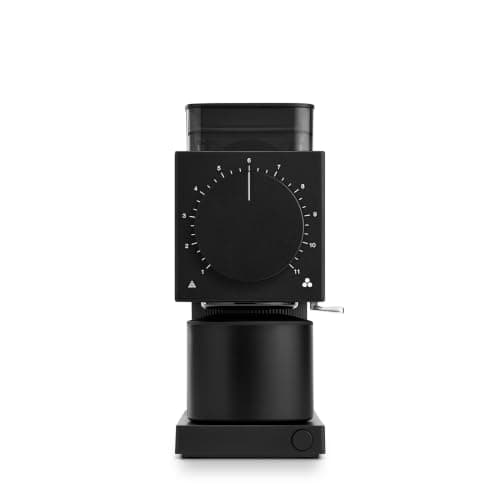
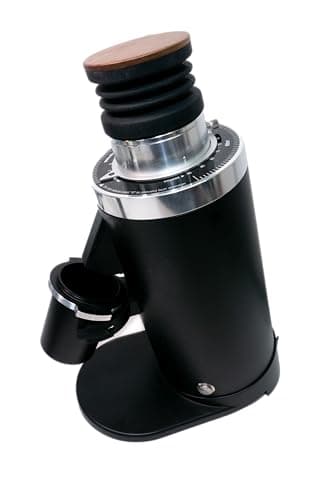
On a shelf, the DF64 Gen 2 and the Fellow Ode Gen 2 look like rivals: both are compact, single-dose electric grinders, both run 64mm flat burrs, and both promise the low-retention, weigh-in-weigh-out workflow that home coffee people have fallen for. But they are tuned for opposite jobs, and buying the wrong one is one of the most common and most expensive grinder mistakes there is. The DF64 Gen 2 ships with burrs and a fine, stepless adjustment that genuinely reach true espresso. The Fellow Ode Gen 2 is a beautiful, quiet, low-retention grinder whose stock burrs and step range are optimized for pour-over and drip— and, in Fellow's own words, it is not intended for espresso.
That single difference decides everything else on this page. If espresso is anywhere on your menu, the DF64 Gen 2 is the grinder that can actually pull a shot; the stock Ode cannot, no matter how you dial it. If you brew filter — drip, pour-over, AeroPress, French press, cold brew — and you want the tidiest, quietest single-dose experience you can put on a counter, the Ode Gen 2 is the more polished object and the better filter grinder of the two. Neither of these is “better” in the abstract; they are answers to different questions. Our job here is to make sure you answer the right one. For the deep dives, read the DF64 Gen 2 review and the Fellow Ode Gen 2 review; for the wider field, our best single-dose grinders roundup ranks both against everything else.
One honesty note before the head-to-head, because it is the trap this comparison exists to close: the Ode Gen 2 can be pushed toward espresso, but only by fitting the optional aftermarket espresso burr set that Fellow sells separately. Out of the box, on its stock filter burrs, it does not grind fine enough or with the fine-end resolution to build shot pressure. We are comparing the two grinders as they ship, because that is what you buy and what most people will ever run. So do not read the Ode as a secret espresso grinder that just needs the right setting — on stock burrs, it is a filter grinder, full stop. With that fixed, here is how the two stack up.
The one question that decides it: espresso or filter?
Strip away the styling, the noise levels and the retention numbers, and this comparison comes down to a single fork in the road: do you brew espresso, or not?If you pull shots — or think you might — the DF64 Gen 2 is the grinder that can do it, because its burrs and stepless dial reach the fine grind and the fine-end control espresso needs. The Ode Gen 2, on its stock burrs, does not; Fellow state plainly it is not intended for espresso. So the wrong-purchase risk is entirely one-directional. Buy the DF64 for espresso and it also does filter, so you lose nothing. Buy the Ode for espresso and you have bought a grinder that physically will not make the drink you wanted. Everything below only matters once you have answered this question honestly. We did not lab-test either grinder; our methodology explains how we judge.
Burrs and adjustment: same size, opposite tuning
Both grinders run 64mm flat burrs, and that shared headline is exactly what fools people. Burr diameter is not the same as burr tuning. The DF64 Gen 2's burr set and, crucially, its steplessadjustment are built to reach and hold an espresso grind: you can settle the setting anywhere in an infinite range and micro-adjust by a hair, which is the difference between a shot that gushes and one that pours right. The Ode Gen 2's stock burrs and its steppeddial — 11 marked settings across 31 total steps — are tuned for the medium-to-coarse window that filter brewing lives in. Those 31 steps are generous and repeatable for drip and pour-over, but they do not extend into real espresso territory, and stepped resolution is coarser than a stepless dial when you are chasing the tiny changes espresso rewards. Fellow does sell an optional aftermarket espresso burr set for the Ode, but that is a separate purchase and a different grinder in effect; as it ships, the Ode is a filter tool. If flat-burr geometry itself is what you are shopping for, our best flat-burr grinders roundup lays out the wider field.
Retention, cleanliness and single-dose workflow
Here the two are much closer, and both are genuinely good. Both are built as single-dosers— you weigh in exactly the beans you plan to brew, grind, and get almost all of it back — which is the whole point of the format: fresh beans every time, no stale hopper, low retention. The Ode Gen 2 leans into tidiness hardest, pairing an anti-static system with a built-in knocker that dislodges grounds so very little clings inside or scatters at the chute; its 100g single-dose capacity is ample for the format. The DF64 Gen 2 has a short, low-retention path too, but it asks for a little more from you: a puff or two from the bellows to clear the chamber and, for espresso especially, a quick stir with a WDT tool to break up clumps before you tamp. Call it ten seconds of ritual. So on pure cleanliness the Ode edges it and needs less fuss, while the DF64 rewards a small routine. Both belong in our best single-dose grinders roundup for good reason.
Noise, build and the object on your counter
If quiet and polish matter to you, the Ode Gen 2 wins this one clearly. Fellow engineered the motor and housing to keep the grind noise down, so it is noticeably calmer than a typical electric — a real advantage if you grind early in a shared home — and its compact aluminum body genuinely looks like a design object you are happy to leave on display. The DF64 Gen 2 is the more utilitarian machine: Gen 2 tidied up the small build and quality-control quirks that dogged the early first-generation units, but it is still louder than a premium grinder, and because it is a third-party platform sold under several names, the exact finish and the seller's support vary. Buy the DF64 from a reputable seller and you get a supported product with spares; chase the cheapest listing and you may not. So on the “nice thing to own and use” axis the Ode leads, and on the “does more, costs its value in capability” axis the DF64 leads.
Which should you buy
- Buy the DF64 Gen 2 if espresso is anywhere on your menu now or later, or you want a single grinder that genuinely covers espresso andfilter. Its stepless dial and espresso-capable burrs make it the more versatile, more capable machine here — just buy from a reputable seller and accept a little clump-management and a bit more noise. Start with the full DF64 Gen 2 review.
- Buy the Fellow Ode Gen 2 iffilter coffee is your world — drip, pour-over, AeroPress, French press, cold brew — and you want the quietest, tidiest, most beautiful single-dose grinder you can put on a counter. It is the better filter grinder and the nicer object, full stop. Read the Fellow Ode Gen 2 review for the detail.
- Do not buy the Ode for espresso.On its stock burrs it does not grind fine enough for shots, and Fellow say so themselves. If someone tells you it “can do espresso,” they mean with the optional aftermarket espresso burr set fitted — a separate purchase, not the grinder as it ships. For espresso as delivered, the DF64 Gen 2 is the honest answer.
Plenty of people are tempted to over-optimize here and agonize over which flat-burr grinder is “best.” Do not. These two are so evenly matched on grind quality and single-dose polish that the decision is not about which is better — it is about which drink you make. Match the grinder to your brewing and you will be happy with either; buy against your brewing and no amount of dialing will fix it.
How we picked
We did not lab-test this gear
Everyone in this category says they tested twenty machines. We have not pulled shots on every product here, and we say so. What we did instead: compiled the published specifications, cross-checked the manufacturer manuals, computed the running cost (wattage to energy, grams-per-shot to cost-per-cup), weighed aggregated owner reports, and scored each product against a published rubric. The scores are judgments from documented research — not measurements we took, because we do not have a test lab and we will not pretend we do. Where hands-on time would tell you more than a spec sheet, we flag it. Where a number came from someone else's work, we name them in Sources.