The best whole bean coffee for most people right now is Peet's Big Bangin the 63-ounce listing, and the reason has almost nothing to do with how it tastes. That listing is not one enormous bag: Peet's own copy specifies six 10.5-ounce bags, which makes it both the lowest cost per pound on this page and the only format here that keeps five sixths of your coffee sealed while you drink the first sixth. Every other bag on this list has to choose between those two things. If you want one bag, one roast and the least money, Eight O'Clock The Original is the budget pick, and San Francisco Bay Fog Chaser is the better 2-pound bag.
Start with what "whole bean" is for, because it changes what you should be shopping on. Coffee is at its best within a few weeks of roasting and it degrades fastest after grinding, when the surface area of the coffee multiplies and the aromatics that carry most of the flavor start leaving. Buying whole bean buys you control of that clock: the bag stays intact until the morning you use it, and you grind what you need. That is the entire proposition. It also means the bag is only half of your purchase — a bag of good beans through a blade chopper is a worse cup than cheap pre-ground through a decent brewer, which is the single most common way people waste money on coffee. If you do not own a burr grinder yet, read burr grinder vs blade grinder before you spend anything on beans, and buy from best coffee grinders under $100 first.
Now the uncomfortable part, stated plainly: we have not cupped these coffees, and no page can tell you which roast you will like.Taste in coffee is genuinely personal and the vocabulary on bags is marketing language, not measurement. What we can do — and what this page does — is rank the bags on the things that are checkable from the listing and that demonstrably change the cup in your kitchen: how much coffee you get for the money, how long it stays sealed, how wide a range of brewers it suits, and how much the bag tells you about what is inside it. Every tasting note quoted below is the roaster's own description, marked as such.
Criterion one: cost per pound, not price per bag. This is where whole bean shopping goes wrong most often, because bags on this page run from 12 ounces to 63 ounces and the sticker price does not sort them. A 12-ounce specialty box can cost less than a 2-pound bag and still be nearly twice the money per pound. The weights are printed on each pick below for exactly this reason: take the live price, divide by the pounds, and compare those numbers instead. On this page that one piece of arithmetic separates the cheapest coffee from the most expensive by better than two to one.
Criterion two: how long the coffee stays sealed. A 2-pound bag is cheaper per pound than a 12-ounce bag, and if you drink two cups a day it is also open on your counter for roughly six weeks. Those two facts fight each other, and the multipack format is the only thing on this page that resolves them — six small sealed bags cost less per pound than any single big bag here and the sixth one opens fresh. If you are buying a big single bag anyway, the fix is storage rather than hope: how to store coffee beans covers it, and a one-way-valve canister is the cheapest real upgrade in coffee — see best coffee canisters.
Criterion three: what the bag will not tell you.Buying coffee from a marketplace means you usually cannot see a roast date before it arrives, and none of the listings here publish one. That is a real limitation of buying this way and it is worth saying instead of papering over: supermarket and marketplace coffee is sold on a best-before date, which is a shelf-stability date and not a freshness date. If a roast date matters to you more than price does, buy from a roaster's own subscription instead — one of the top autocomplete variants for this search is "whole bean coffee subscription", and that is the honest answer for that buyer. Everything below is the answer for the buyer who wants a good bag delivered cheaply.
Criterion four: roast level, which is the only taste variable worth pre-judging. Six of the seven picks here are medium roasts, which is not an accident: a medium roast is the most flexible thing you can own because it works in a drip machine, a pour over, a French press and a cold brew jug without arguing with you. Darker roasts have a real place — they cut through milk, they are more forgiving of a sloppy brew, and some people simply like roast flavor — so there are two on this page, and they are labeled. Light roasts are the one category we have not picked, because they demand the most from your grinder and your water temperature and they are where a cheap setup fails most visibly.
The short answer
Quick picks
| # | Product | Best for | Score | Price |
|---|
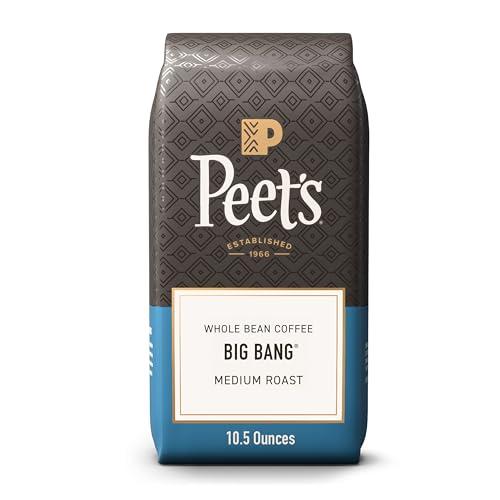
| 01 | Peet's Big Bang Whole Bean, 63 oz (six 10.5 oz bags)Our overall pick, and it wins on format before it wins on anything else. The listing states plainly that the 63 ounces arrive as six 10.5-ounce bags rather than one sack, which means it is the cheapest coffee per pound here AND the only pick where the coffee you are not drinking this week is still factory-sealed next month. Peet's describes Big Bang as its most loved medium roast, smooth with a balanced richness, and the listing gives grind guidance for espresso, cold brew, French press, drip and pour over - so one order covers a household that brews more than one way. If you drink coffee every day and you do not want to think about buying it again for a season, this is the box. | Best overall - lowest cost per pound and the only sealed-multipack format here | | $34.43·Amazon |
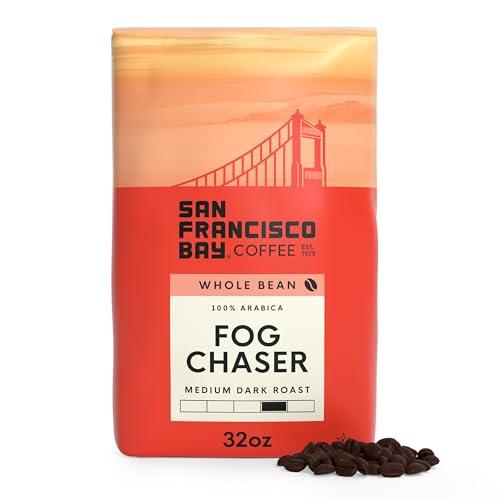
| 02 | San Francisco Bay Fog Chaser Whole Bean, 2 lbThe best single big bag on this page, and the pick if a multipack is not for you. San Francisco Bay describes Fog Chaser as a blend of dark and medium roasted beans that lands as a medium-dark cup, and the listing names pour over, drip and French press as its intended brewers. It is a very good price per pound for a 2-pound bag of 100% arabica, it is strong enough to hold up with milk, and it is forgiving - a medium-dark roast hides a mediocre grinder and lukewarm water better than any light roast will. The roaster's own storage advice on the listing is the right advice: keep it cool and dark and grind right before brewing. | Best 2 lb single bag - the forgiving medium-dark all-rounder | | $18.99·Amazon |
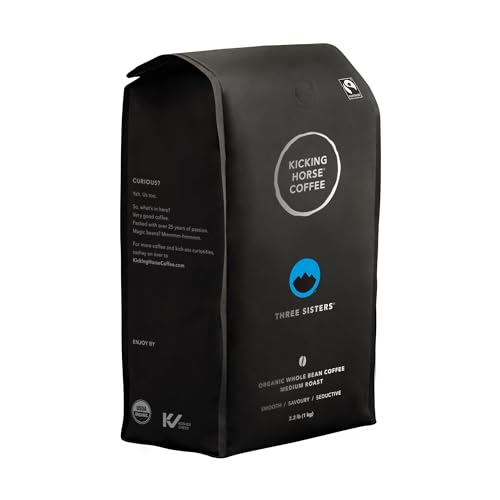
| 03 | Kicking Horse Three Sisters Whole Bean, 2.2 lbThe pick if certification matters to you, and the best-documented bag on this page. The listing carries Certified Organic, Fairtrade and Kosher marks, states that the facility roasts only coffee from one ingredient with no preservatives, additives, fillers or flavoring, and names its intended brewers as French press, drip, pour over and cold brew. Kicking Horse describes Three Sisters as well-rounded and complex with notes of stone fruit and cocoa - the roaster's words, not our tasting - and the bag tells you more about what is inside it than any other pick here. You pay for all of that: it is the most expensive per pound of the big bags. | Best organic and Fairtrade option, and the most informative bag here | | $30.99·Amazon |
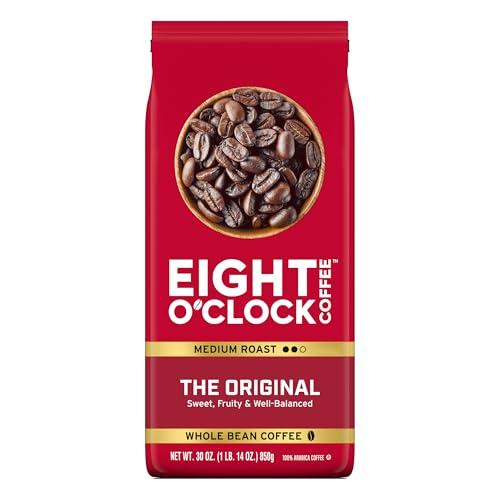
| 04 | Eight O'Clock The Original Whole Bean, 30 ozThe budget pick, and the cheapest route to a full-size bag of whole bean coffee here. Eight O'Clock sells The Original as a medium roast 100% arabica with a sweet, fruity, well-balanced profile - the roaster's description - and the listing's own advice is the right advice for a cheap bag: grind just before brewing to control strength and preserve freshness. It names drip, pour over, French press, espresso machines and cold brew as brewers, which is a wide claim for a bag at this price, and in practice it is the sort of easy, unobjectionable coffee that a cheap grinder and a cheap brewer will not ruin. You are not buying detail or provenance at this price, and the listing does not pretend you are. | Budget pick - the least money per pound in a single bag | | $20.24·Amazon |
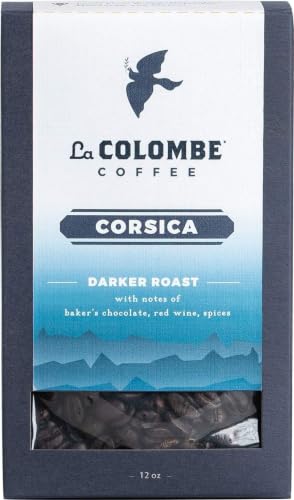
| 05 | La Colombe Corsica Dark Roast Whole Bean, 12 ozThe dark roast pick and the smallest ticket here, which makes it the easiest bag on this page to try. La Colombe states the blend is built from specialty coffee beans from Brazil, Colombia, Honduras and Mexico, and describes Corsica as full-bodied, chocolatey and roasty with notes of baker's chocolate, red wine and spices - again, the roaster's notes. Naming four origins on a 12-ounce box is more disclosure than most dark roasts offer, and a 12-ounce box is a format that a one-or-two-cup-a-day drinker can finish while it is still fresh. It is a dark roast, so it is divisive by design, and it is not cheap per pound. | Best dark roast, and the lowest-commitment bag here | | $12.89·Amazon |
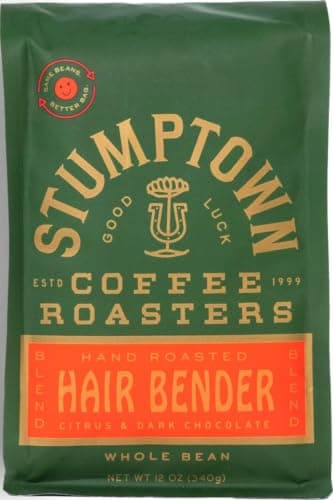
| 06 | Stumptown Hair Bender Whole Bean, 12 ozThe specialty pick, and the bag that will show you what your grinder can actually do. Hair Bender is Stumptown's flagship medium roast and it is the one coffee on this page bought by people who are chasing a specific cup rather than a good deal - it is more complex, more acidic and less forgiving than everything above it, and it rewards a burr grinder, properly hot water and a weighed dose. It is also the most expensive coffee per pound here by a wide margin, in a 12-ounce bag. That is the trade: you are buying interest rather than volume. | Best specialty bag - the one that rewards a good grinder | | $15.99·Amazon |
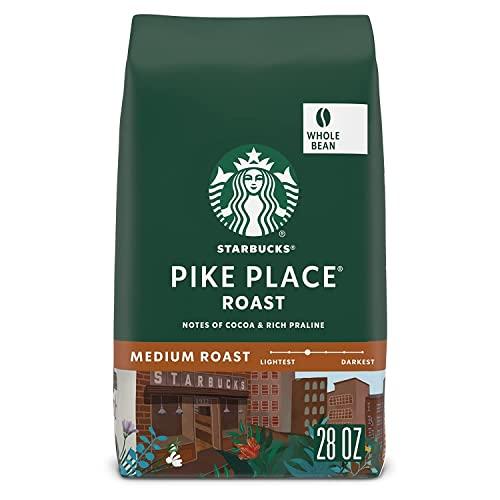
| 07 | Starbucks Pike Place Roast Whole Bean, 28 ozThe familiar everyday pick - the coffee you already know you can live with. Starbucks describes Pike Place as a smooth, balanced, well-rounded blend of Latin American beans with notes of cocoa and praline, developed in 2008 as its everyday roast, and the listing names drip machines, espresso machines and French press as intended brewers. Its real advantage is predictability: it tastes the same in March as it did in November, it is stocked everywhere, and in many states this listing is SNAP and EBT eligible, which no other pick here is. The reason it ranks last is arithmetic, not quality - a 28-ounce bag at this price is poor value per pound next to the bags above it. | Best familiar everyday bag - the most predictable coffee here | | $28.76·Amazon |
#ad · Live prices from the Amazon Product API, as of November 26, 2026. Where we have no verified live price, we show none — a gap beats a number that has rotted.
In detail
The picks, in full
Best overall - lowest cost per pound and the only sealed-multipack format here
Peet's Big Bang Whole Bean, 63 oz (six 10.5 oz bags)
63 oz total, as six 10.5 oz bagsMedium roast, 100% arabicaGrind guidance for espresso to cold brewLowest cost per pound on this page
Our overall pick, and it wins on format before it wins on anything else. The listing states plainly that the 63 ounces arrive as six 10.5-ounce bags rather than one sack, which means it is the cheapest coffee per pound here AND the only pick where the coffee you are not drinking this week is still factory-sealed next month. Peet's describes Big Bang as its most loved medium roast, smooth with a balanced richness, and the listing gives grind guidance for espresso, cold brew, French press, drip and pour over - so one order covers a household that brews more than one way. If you drink coffee every day and you do not want to think about buying it again for a season, this is the box.
- Cost per pound
- 9.5
- Stays sealed
- 9.5
- Brew-method range
- 8.5
- Information on the bag
- 7
- Value
- 9.5
Pros
- +Six sealed bags means the last one opens as fresh as the first
- +Cheapest coffee per pound on this page by a clear margin
- +One profile that genuinely suits drip, pour over, French press and cold brew
- +Enough coffee to stop reordering for months at normal household consumption
- +Peet's publishes grind guidance per brew method on the listing itself
Cons
- −Biggest single outlay here, even though it is the cheapest per pound
- −Six bags of one roast - no variety, and no way to sample before committing
- −No roast date published on the listing
- −A medium roast is a compromise if you specifically want a bright light roast or a heavy dark one
- −Needs somewhere to store five spare bags, which not every small kitchen has
Don't buy this if…
…you drink coffee occasionally rather than daily. Four pounds is a lot of coffee to work through before the last bag is old, and the La Colombe or Stumptown 12 oz bags below are the honest answer for a weekend-only habit.
One practical note on the grind guidance, because it is the part people get wrong with a bag this versatile: Peet's lists a fine grind for espresso, a sand-like medium for drip and pour over, and a coarse sea-salt texture for French press and cold brew. Those are three genuinely different settings, and moving between them several times a week is the job a stepped grinder with a wide range does well — see best grinders for espresso and filter coffee if you intend to use the whole range rather than pick one.
$34.43·View on Amazon$59.8042% off
Price as of November 26, 2026. Prices change — Amazon's at checkout is the one that counts.
#ad · we may earn a commission from this link to Peet's Big Bang Whole Bean, 63 oz (six 10.5 oz bags)
Best 2 lb single bag - the forgiving medium-dark all-rounder
San Francisco Bay Fog Chaser Whole Bean, 2 lb
2 lb (32 oz) single bagMedium-dark: a blend of dark and medium roasted beans100% arabica, certified KosherListing names pour over, drip and French press
The best single big bag on this page, and the pick if a multipack is not for you. San Francisco Bay describes Fog Chaser as a blend of dark and medium roasted beans that lands as a medium-dark cup, and the listing names pour over, drip and French press as its intended brewers. It is a very good price per pound for a 2-pound bag of 100% arabica, it is strong enough to hold up with milk, and it is forgiving - a medium-dark roast hides a mediocre grinder and lukewarm water better than any light roast will. The roaster's own storage advice on the listing is the right advice: keep it cool and dark and grind right before brewing.
- Cost per pound
- 8.5
- Stays sealed
- 6.5
- Brew-method range
- 8.5
- Information on the bag
- 7.5
- Value
- 8.5
Pros
- +Strong price per pound for a 2 lb bag
- +Medium-dark is the most forgiving roast level for a basic grinder and a basic brewer
- +Holds its own in milk drinks and in a big French press
- +Family-owned roaster with a stated satisfaction guarantee on the listing
- +Widely stocked, so repeat buying is easy
Cons
- −One 2 lb bag is open for weeks - decant into a sealed canister or the last third suffers
- −Darker roasts are oilier, and oils build up in a grinder faster
- −Not the coffee for anyone chasing bright, fruity, light-roast character
- −Blend origins are not broken out on the listing
- −No roast date published
Don't buy this if…
…you have no airtight storage. A 2 lb bag that lives rolled shut on the counter for six weeks ends up tasting flat, and at that point the sealed multipack above is the better buy even if the per-pound number looks worse.
The oil point is worth a sentence, because it is the one maintenance consequence of buying a darker roast in bulk. Oily beans leave more residue in the burr chamber and the chute, and that residue is what turns stale and taints the next grind — so a monthly clean matters more with this bag than with a dry medium roast. It is a five-minute job: how to clean a coffee grinder.
Best organic and Fairtrade option, and the most informative bag here
Kicking Horse Three Sisters Whole Bean, 2.2 lb
2.2 lb (35.2 oz) single bagMedium roast, 100% arabicaCertified Organic, Fairtrade and KosherListing names French press, drip, pour over and cold brew
The pick if certification matters to you, and the best-documented bag on this page. The listing carries Certified Organic, Fairtrade and Kosher marks, states that the facility roasts only coffee from one ingredient with no preservatives, additives, fillers or flavoring, and names its intended brewers as French press, drip, pour over and cold brew. Kicking Horse describes Three Sisters as well-rounded and complex with notes of stone fruit and cocoa - the roaster's words, not our tasting - and the bag tells you more about what is inside it than any other pick here. You pay for all of that: it is the most expensive per pound of the big bags.
- Cost per pound
- 6.5
- Stays sealed
- 6.5
- Brew-method range
- 8
- Information on the bag
- 9
- Value
- 7
Pros
- +Three certifications printed on the listing rather than implied
- +Roaster states a single-ingredient process with no additives or flavoring
- +Medium roast, so it suits filter brewing and cold brew equally
- +A 2.2 lb bag at a specialty-roaster standard is unusual - most of this tier sells 12 oz
- +Published tasting notes and aroma notes, so you know what the roaster was aiming at
Cons
- −Most expensive per pound of the three big bags here
- −Same open-bag freshness problem as any 2.2 lb sack
- −Kicking Horse's own grind recommendation stops short of espresso
- −Organic and Fairtrade certification is about sourcing, not about cup quality - do not expect it to taste better for the premium
- −No roast date published
Don't buy this if…
…price per pound is the thing you are optimizing. The certifications are real and worth paying for if they matter to you, but they do not make the coffee taste better than the cheaper bags above, and we will not pretend otherwise.
Kicking Horse also appears on best coffee beans for espresso, but with a different coffee: the espresso page picks Cliff Hanger, the brand's espresso roast. Three Sisters is the filter-side bag and the two are not interchangeable without re-dialing your grinder.
Budget pick - the least money per pound in a single bag
Eight O'Clock The Original Whole Bean, 30 oz
30 oz single bagMedium roast, 100% arabicaListing names drip, pour over, French press, espresso and cold brewCheapest per pound of the single bags here
The budget pick, and the cheapest route to a full-size bag of whole bean coffee here. Eight O'Clock sells The Original as a medium roast 100% arabica with a sweet, fruity, well-balanced profile - the roaster's description - and the listing's own advice is the right advice for a cheap bag: grind just before brewing to control strength and preserve freshness. It names drip, pour over, French press, espresso machines and cold brew as brewers, which is a wide claim for a bag at this price, and in practice it is the sort of easy, unobjectionable coffee that a cheap grinder and a cheap brewer will not ruin. You are not buying detail or provenance at this price, and the listing does not pretend you are.
- Cost per pound
- 9
- Stays sealed
- 6.5
- Brew-method range
- 7.5
- Information on the bag
- 5
- Value
- 8.5
Pros
- +Lowest cost per pound of any single bag on this page
- +Medium roast and genuinely hard to brew badly
- +A sensible first bag to learn a new grinder on, where wasting shots is expected
- +Stocked almost everywhere, so there is no reorder friction
- +Roaster's own copy tells you to grind fresh rather than selling you pre-ground
Cons
- −Least information of any pick here - no origin, no sourcing detail, no tasting specifics beyond three adjectives
- −A 30 oz bag has the same open-for-weeks problem as the 2 lb bags
- −Supermarket blend, which means the profile can shift between production runs
- −No roast date published
- −Good value rather than good coffee in the specialty sense - it will not reward an expensive grinder
Don't buy this if…
…you have just bought a serious grinder and want to find out what it can do. This bag will not show you; the Stumptown or La Colombe picks below will, for less money per purchase even though they cost more per pound.
Best dark roast, and the lowest-commitment bag here
La Colombe Corsica Dark Roast Whole Bean, 12 oz
12 oz boxDark roast, full-bodiedBlend origins listed: Brazil, Colombia, Honduras, MexicoRoaster notes: baker's chocolate, red wine, spices
The dark roast pick and the smallest ticket here, which makes it the easiest bag on this page to try. La Colombe states the blend is built from specialty coffee beans from Brazil, Colombia, Honduras and Mexico, and describes Corsica as full-bodied, chocolatey and roasty with notes of baker's chocolate, red wine and spices - again, the roaster's notes. Naming four origins on a 12-ounce box is more disclosure than most dark roasts offer, and a 12-ounce box is a format that a one-or-two-cup-a-day drinker can finish while it is still fresh. It is a dark roast, so it is divisive by design, and it is not cheap per pound.
- Cost per pound
- 5.5
- Stays sealed
- 8.5
- Brew-method range
- 7
- Information on the bag
- 8
- Value
- 7
Pros
- +Smallest outlay on this page, so trying it costs very little
- +12 oz is finishable while fresh at normal single-person consumption
- +Four named origins, which is unusual disclosure for a dark blend
- +Dark roast is forgiving of a cheap grinder and of water that is not quite hot enough
- +Excellent in milk drinks and in a moka pot
Cons
- −Dark roast is a strong preference, not a neutral default - plenty of people dislike it
- −Expensive per pound compared with every big bag above
- −Oilier beans mean more frequent grinder cleaning
- −A 12 oz box runs out quickly if more than one person is drinking
- −No roast date published
Don't buy this if…
…you brew light or medium roasts and like the acidity in them. Corsica is going the other way on purpose, and the medium-roast picks above are the safer buy if you are unsure which camp you are in.
If this is the profile you want, it is also a natural fit for a stovetop brew — a dark, chocolatey blend is what a moka pot was designed around. See best coffee for a moka pot for that side of the catalog, where grind-as-sold matters more than blend.
Best specialty bag - the one that rewards a good grinder
Stumptown Hair Bender Whole Bean, 12 oz
12 oz bagMedium roast, specialty gradeStumptown's flagship blendHighest cost per pound on this page
The specialty pick, and the bag that will show you what your grinder can actually do. Hair Bender is Stumptown's flagship medium roast and it is the one coffee on this page bought by people who are chasing a specific cup rather than a good deal - it is more complex, more acidic and less forgiving than everything above it, and it rewards a burr grinder, properly hot water and a weighed dose. It is also the most expensive coffee per pound here by a wide margin, in a 12-ounce bag. That is the trade: you are buying interest rather than volume.
- Cost per pound
- 4
- Stays sealed
- 8.5
- Brew-method range
- 8.5
- Information on the bag
- 8.5
- Value
- 6
Pros
- +The most interesting cup here, and the one a good grinder changes most
- +12 oz is a format you finish while it is fresh
- +Works across espresso and filter, which is why it is also a pick on our espresso roundup
- +Specialty roaster with a published blend identity rather than an anonymous supermarket label
- +A reasonable price per bag despite the high price per pound
Cons
- −Highest cost per pound on this page, by a lot
- −Unforgiving: a blade grinder or cool water will waste it
- −A brighter, more acidic profile that is not what everyone wants at 6am
- −12 oz does not last a household a week
- −No roast date published on the marketplace listing
Don't buy this if…
…you are buying coffee by price per pound, or you have not sorted out a burr grinder yet. Both of those point back to the top of this page.
This is the one coffee shared with best coffee beans for espresso, where it is also our specialty pick. It is here for the same reason it is there: it is the bag that makes a good grinder look like money well spent, whichever way you brew.
Best familiar everyday bag - the most predictable coffee here
Starbucks Pike Place Roast Whole Bean, 28 oz
28 oz single bagMedium roast, 100% arabicaLatin American blend; roaster notes of cocoa and pralineSNAP and EBT eligible in eligible states
The familiar everyday pick - the coffee you already know you can live with. Starbucks describes Pike Place as a smooth, balanced, well-rounded blend of Latin American beans with notes of cocoa and praline, developed in 2008 as its everyday roast, and the listing names drip machines, espresso machines and French press as intended brewers. Its real advantage is predictability: it tastes the same in March as it did in November, it is stocked everywhere, and in many states this listing is SNAP and EBT eligible, which no other pick here is. The reason it ranks last is arithmetic, not quality - a 28-ounce bag at this price is poor value per pound next to the bags above it.
- Cost per pound
- 6
- Stays sealed
- 7
- Brew-method range
- 8.5
- Information on the bag
- 7.5
- Value
- 6
Pros
- +Utterly consistent between bags and between years
- +Stocked in more places than anything else here, including most grocery stores
- +SNAP and EBT eligible in eligible states, which matters to some households
- +Medium roast that suits drip, French press and milk drinks alike
- +Known quantity - most people already know whether they like it
Cons
- −Poor value per pound next to every big bag on this page
- −Deliberately middle-of-the-road - it is designed not to offend rather than to excite
- −28 oz open bag has the usual freshness problem without a canister
- −Latin American blend is named but individual origins are not
- −No roast date published
Don't buy this if…
…you are shopping on price or on interest. The budget pick is substantially cheaper per pound and the specialty picks are substantially more interesting; this bag's argument is that you already know what it tastes like.
The arithmetic that sorts this page
Whole bean coffee is the rare category where a single calculation beats every review, including this one. Take the live price of any bag, divide it by the weight in pounds, and you have the only number that compares one listing to another. The bags here run 12, 12, 28, 30, 32, 35.2 and 63 ounces, which is a spread of better than five to one, and the sticker prices do not sort in the same order as the per-pound costs. Two of the three cheapest bags to buy are among the most expensive coffees per pound on the page. Do the division before you add anything to a cart; it takes ten seconds and it is worth more than any tasting note.
Why the multipack wins, and when it does not
The format argument is the one genuinely counter-intuitive thing about this category. Conventional wisdom says buy small bags for freshness and big bags for value, and that the two cannot be had together. The Peet's listing is the exception that disproves it: six sealed 10.5-ounce bags at the lowest per-pound cost on this page. Oxygen is what stales coffee, a sealed bag has very little of it, and the five bags you have not opened are therefore not aging the way an opened sack is. The case against it is simple and worth respecting: four pounds of one roast is a commitment, it needs shelf space, and if you decide after bag two that you do not like it, you own four more.
The grind is a bigger variable than the bag
Every coffee on this page will make a better cup through a burr grinder than any of them will through a blade chopper, and the gap is not subtle. A blade grinder produces a mixture of dust and boulders from the same batch; the dust over-extracts into bitterness while the boulders under-extract into sourness, and you taste both at once. A burr grinder crushes the coffee to a set gap, which is why it produces a consistent particle size and a cup that tastes like one thing. If you are choosing between spending more on beans and spending more on a grinder, spend it on the grinder — see best coffee grinders for drip and pour over and, if the budget is tight, best coffee grinders under $100. Hand grinders are the cheapest honest route into burrs: best hand grinders.
Match the grind to the brewer, not to the bag
Three of these listings print their own grind guidance, and all three say roughly the same thing because the physics does not care which roaster you bought from: fine for espresso, a sand-like medium for drip and pour over, and a coarse sea-salt texture for French press and cold brew. Contact time is why. An espresso machine pushes water through the bed in about half a minute, so the coffee has to be fine enough to resist; a French press steeps for four minutes, so the same grind would over-extract into something harsh and muddy. Our grind-size pages have the specifics per brewer: French press grind size, moka pot grind size and AeroPress grind size.
Dose before you blame the beans
The most common complaint about a new bag of whole bean coffee is that it tastes weak, and the most common cause is dose rather than coffee. The Specialty Coffee Association's brewing standards put the starting point at roughly 60 grams of coffee per liter of water — about a 1:16 ratio — and a scoop is nowhere near precise enough to hit that reliably, because ground coffee's density changes with roast level and grind size. Weigh it once and you will know whether the bag or the recipe was the problem. A $20 scale fixes this permanently: best coffee scales, and the numbers per brewer are in coffee to water ratio.
Storage is the cheapest upgrade on this page
Coffee's four enemies are oxygen, light, heat and moisture, and the bag it shipped in defends against none of them once it is open. Do not refrigerate it — the temperature swings condense moisture onto the beans every time you open the door. Freezing whole beans in a genuinely airtight container works and is well established, but only if you take out what you need and put the rest straight back without letting it thaw and refreeze. For everyday use, an opaque canister with a one-way valve on the counter is enough, and it costs a fraction of what the coffee it protects does: best coffee canisters and how to store coffee beans.
If espresso is the real plan, start on a different page
Several of the picks here list espresso among their brew methods, and they will all produce a shot. But espresso is the brew method with the least tolerance for the wrong roast — the pressure and the thirty-second window punish both very light and very oily beans — and coffees sold for espresso are blended and roasted with that in mind. If a portafilter is involved, start at best coffee beans for espresso, and if you want the caffeine out, best decaf espresso beans. There is no such thing as an "espresso bean" as a botanical category, which can you use regular coffee beans for espresso explains in full — but there is such a thing as a roast chosen for a nine-bar machine, and it is not an accident that the espresso roundup and this page share only one pick.
How we picked
We did not lab-test this gear
Everyone in this category says they tested twenty machines. We have not pulled shots on every product here, and we say so. What we did instead: compiled the published specifications, cross-checked the manufacturer manuals, computed the running cost (wattage to energy, grams-per-shot to cost-per-cup), weighed aggregated owner reports, and scored each product against a published rubric. The scores are judgments from documented research — not measurements we took, because we do not have a test lab and we will not pretend we do. Where hands-on time would tell you more than a spec sheet, we flag it. Where a number came from someone else's work, we name them in Sources.
Questions
Frequently asked
What is the best whole bean coffee?+
For most buyers, Peet's Big Bang in the 63-ounce listing, because it is the lowest cost per pound here and its six sealed 10.5-ounce bags are the only format on this page that gives you a big-bag price without a big-bag freshness problem. If you want one bag rather than six, San Francisco Bay Fog Chaser is the better 2-pound buy, and Eight O'Clock The Original is the cheapest full-size bag.
Is whole bean coffee actually better than pre-ground?+
Yes, and the reason is mechanical rather than mystical. Grinding multiplies the surface area of the coffee, which lets the volatile aromatic compounds that carry most of what you taste escape far faster than they do from an intact bean. A bag of pre-ground has been losing those compounds since the day it was packed; whole bean has not started. That said, the advantage is only real if you grind well - whole bean through a blade chopper gives up most of the benefit, because the wildly uneven particle size introduces a bigger problem than staleness. Whole bean plus a burr grinder beats pre-ground clearly. Whole bean plus a blade grinder is roughly a wash.
How do you compare whole bean coffee prices properly?+
Divide the price by the weight in pounds and compare that figure, never the price on the bag. Bags in this category run from 10 ounces to four pounds and the sticker price does not sort them in the same order as the per-pound cost - on this page, two of the cheapest bags to buy are among the most expensive coffees per pound. Each pick above prints its weight for exactly this reason. Prices move, so run the division on whatever the live number says today rather than trusting a figure quoted in an article.
Does a bigger bag go stale before you finish it?+
Usually yes, and that is the honest case against buying in bulk. Coffee is at its best within a few weeks of roasting, and two cups a day works through a 2-pound bag in roughly six weeks, most of which it spends exposed to air. Two things fix it. The first is format: a multipack of small sealed bags keeps the coffee you are not drinking factory-sealed, which is why that is our top pick. The second is storage: decant into an opaque airtight canister, ideally with a one-way valve, and keep it away from the stove and the window.
What roast level should I buy?+
Medium, unless you already know otherwise - which is why six of our seven picks are medium roasts. A medium roast is the most flexible thing you can own: it works in a drip machine, a pour over, a French press and a cold brew jug without needing a different recipe for each. Buy dark if you drink your coffee with milk, like a bolder and roastier cup, or want something forgiving of a cheap grinder. Light roasts are the most demanding - they need a good grinder and genuinely hot water to show what they can do - which is why we have not picked one here.
Can I use these beans in an espresso machine?+
Several of these listings name espresso among their brew methods and all of them will physically produce a shot, but espresso is the least tolerant brew method there is. The nine-bar pressure and the roughly thirty-second window punish both very light roasts and very oily dark ones, and coffees sold for espresso are blended and roasted to suit that window. If a portafilter is involved, start with
best coffee beans for espresso instead - and expect to re-dial your grinder when you switch bags, as
how to dial in espresso explains.
Why is there no roast date on these bags?+
Because marketplace and supermarket coffee is sold on a best-before date, which is a shelf-stability date rather than a freshness date, and none of these listings publish a roast date. That is a genuine limitation of buying coffee this way and it is the main argument for buying direct from a roaster or on a subscription instead, where a roast date within days is normal. If a roast date is your priority, buy that way. If price, convenience and delivery are your priorities, the bags on this page are the answer and the sealed-multipack format is the best hedge available against not knowing.
Do I need an expensive grinder for these coffees?+
No, but you do need a
burr grinder, which is a different claim. The cheapest burr grinders on our
best grinders under $100 page will do justice to every bag here, and a hand grinder does it for even less - see
best hand grinders. Where money starts to matter is espresso, which needs far finer adjustment steps than filter brewing does, and light roasts, which show grinder inconsistency most clearly.
Burr grinder vs blade grinder has the full argument.
How much coffee should I use per cup?+
Start at roughly 60 grams of coffee per liter of water - about a 1:16 ratio - which is where the Specialty Coffee Association's brewing standards put the window, and adjust from there. Weigh it rather than scooping: ground coffee's density changes with roast level and grind size, so a scoop of a dark roast and a scoop of a light roast are not the same dose.
Coffee to water ratio has the figures per brewer.
Same gear, other pages
We cover this gear elsewhere too
Receipts
Sources
- Peet's Coffee — Big Bang whole bean listing: the 63 oz pack specified as six 10.5 oz bags, the medium roast description, and the per-method grind guidance (fine for espresso, medium for drip and pour over, coarse for French press and cold brew)
- San Francisco Bay Coffee — Fog Chaser whole bean 2 lb listing: the blend of dark and medium roasted beans, 100% arabica and Kosher certification, the named pour over / drip / French press brewers, and the roaster's own storage and grind-fresh advice
- Kicking Horse Coffee — Three Sisters whole bean 2.2 lb listing: Certified Organic, Fairtrade and Kosher marks, the single-ingredient no-additives statement, the roaster's tasting and aroma notes, and the recommended French press / drip / pour over / cold brew methods
- Eight O'Clock Coffee — The Original whole bean 30 oz listing: medium roast 100% arabica, the roaster's sweet and fruity description, the grind-just-before-brewing advice and the named brew methods
- La Colombe — Corsica dark roast whole bean 12 oz listing: the dark roast profile, the roaster's baker's chocolate / red wine / spice notes, and the named blend origins of Brazil, Colombia, Honduras and Mexico
- Starbucks — Pike Place Roast whole bean 28 oz listing: the medium roast Latin American blend, the cocoa and praline notes, the 2008 origin of the blend, the named brew methods and the SNAP / EBT eligibility note
- Stumptown Coffee Roasters — Hair Bender whole bean 12 oz listing: the medium roast designation and bag weight used above
- Specialty Coffee Association — brewing standards, the source for the roughly 60 g per liter (1:16) starting ratio and the 195-205°F brew temperature window cited above
We do not run a testing lab, and we do not pretend to. Where a measured number came from someone else's work, we name them and link them. Where we could not verify something, we say so on the page rather than quietly leaving it out. Read our full method.