Skip to content
Portafilter Co

Grinders · Coffee Grinders

Eureka Mignon Specialita vs Fellow Ode Gen 2: espresso on-demand or filter single-dose?

Two lovely, quiet flat-burr grinders built for opposite jobs - a hopper-fed espresso grinder against a single-dose filter grinder. Here is which one belongs on your counter, and why the choice is really about what you brew.

By Stephen V.Updated How we pick
#ad

We earn a commission when you buy through our Amazon links, at no extra cost to you. It never changes a verdict, and we say so when the cheaper product is the better buy. How this works.

The Eureka Mignon Specialita and the Fellow Ode Brew Grinder Gen 2 land in a lot of the same shopping carts, and on the surface it is easy to see why: both are quiet, both are beautifully built, and both use flat burrs rather than the conical burrs in most home grinders. But they are built for opposite jobs, and that is the whole story of this comparison. The Specialita is an on-demand espresso grinder— hopper-fed, with 55mm flat burrs and a stepless micrometric dial that sweeps continuously through the tiny window an espresso shot lives in. The Ode Gen 2 is a single-dose filter grinder— 64mm flat burrs tuned for the medium-to-coarse range that drip, pour over and immersion brewing want, engineered around weighing one dose in and getting almost all of it back out.

So this is not a “which grinder is better” question, because neither one does the other's job. The honest, load-bearing fact to get straight before you spend a cent: the stock Ode Gen 2 does notgrind fine enough for espresso — Fellow say so themselves, and espresso is only possible with Fellow's optional espresso burr set, not the burrs it ships with. The Specialita, meanwhile, is espresso-first by design; it will grind coarser for filter, but that is not what it is for. Pick by what is actually in your cup: the Specialita for espresso and milk drinks, the Ode for filter coffee. If you want the deeper single-model detail behind each, read our Eureka Mignon Specialita review and our Fellow Ode Gen 2 review, and for the wider field see our best flat-burr grinders.

The short answer

Quick picks

#ProductBest forScorePrice
01
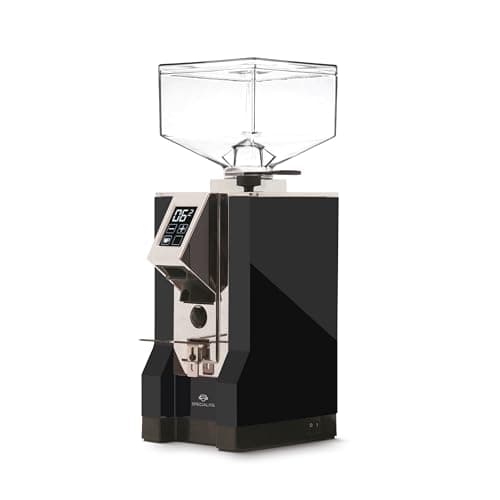
Eureka Eureka Mignon Specialita Espresso Grinder
Eureka Mignon Specialita Espresso Grinder

The espresso pick, full stop. If you pull shots or build milk drinks, the Specialita is the one: 55mm flat burrs and Eureka's patented stepless micrometric dial let you sweep continuously through the fine espresso window instead of hopping between fixed clicks, and Silent Technology makes it one of the quietest grinders you can put on a counter. It is hopper-fed and grinds on demand into the portafilter, with a touchscreen timer that repeats a dialed-in dose at a tap. Many owners single-dose it by pulling the hopper and dropping beans straight onto the burrs — it works well, though retention is modest but present and single dosing here is an owner-adopted workaround, not a designed feature. It is espresso-first and a premium spend. Buy it for quiet, finely tunable espresso and it is one of the easiest recommendations in the category; buy it for a low-retention filter workflow and you bought the wrong tool — that is the Ode's job.

Best for espresso
8.2
$549.00Amazon
02
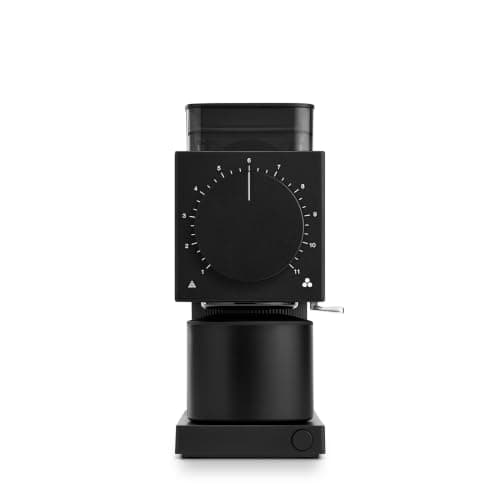
Fellow Fellow Ode Brew Grinder Gen 2
Fellow Ode Brew Grinder Gen 2

The filter pick, and explicitly not an espresso grinder. The Ode Gen 2 runs 64mm stainless flat burrs tuned for the medium-to-coarse range that drip, pour-over, AeroPress and French press want, and it gives those methods a clean, even grind that outclasses a similarly sized conical grinder. It is a true single-doser — weigh a dose in, grind, and an anti-static system plus a built-in knocker return almost all of it with low retention and a tidy counter — and it is quiet, compact and lovely enough to leave on display. The load-bearing caveat: Fellow state the Ode is not intended for espresso, and its stock burrs do not grind fine enough to build shot pressure; espresso is only possible with Fellow's optional espresso burr set, not the burrs it ships with. Buy it if filter coffee is your world and you want a flat-burr grind in a grinder you are happy to display. Do not buy it for espresso on the stock burrs, and think twice if you want one grinder that does both — because this one, as it ships, does not.

Best for filter coffee
7.7
$399.95Amazon

#ad · Live prices from the Amazon Product API, as of Jul 30, 2026. Where we have no verified live price, we show none — a gap beats a number that has rotted.

In detail

The picks, in full

01
Eureka Eureka Mignon Specialita Espresso Grinder

Best for espresso

Eureka Mignon Specialita Espresso Grinder

55mm stepless flat burrsTouchscreen timer, 2 dosesHopper-fed (many single-dose it)Very quiet (Silent Technology)
8.2/10

The espresso pick, full stop. If you pull shots or build milk drinks, the Specialita is the one: 55mm flat burrs and Eureka's patented stepless micrometric dial let you sweep continuously through the fine espresso window instead of hopping between fixed clicks, and Silent Technology makes it one of the quietest grinders you can put on a counter. It is hopper-fed and grinds on demand into the portafilter, with a touchscreen timer that repeats a dialed-in dose at a tap. Many owners single-dose it by pulling the hopper and dropping beans straight onto the burrs — it works well, though retention is modest but present and single dosing here is an owner-adopted workaround, not a designed feature. It is espresso-first and a premium spend. Buy it for quiet, finely tunable espresso and it is one of the easiest recommendations in the category; buy it for a low-retention filter workflow and you bought the wrong tool — that is the Ode's job.

Espresso grind quality
9
Stepless micro-adjustment
9
Quietness
9
Workflow & retention
7
Value
7

Pros

  • Among the quietest grinders you can buy — Eureka's Silent Technology makes early-morning shots genuinely low-noise
  • 55mm flat burrs and a patented stepless micrometric dial land the fine espresso window precisely
  • Touchscreen timer stores two programmable doses plus continuous mode, so a dialed-in shot repeats with a tap
  • Compact, solidly built Italian grinder that feels premium on the counter and holds its setting
  • ACE anti-clump and anti-static system keeps grounds tidy and reduces static mess at the chute

Cons

  • It is a hopper-fed grinder, not a dedicated single-doser — retention is modest but present, higher than a purpose-built single-dose grinder
  • Single-dosing means pulling the hopper and dropping beans straight onto the burrs, a workaround rather than a designed feature
  • A premium spend — a real step up in price from an entry electric grinder
  • Espresso-first by design, so it grinds for filter but that is not its purpose

Don't buy this if…

filter coffee is your world and you want the lowest-retention, weigh-in-weigh-out single-dose workflow — the Ode Gen 2 is engineered from the ground up for exactly that, where the hopper-fed Specialita is an espresso tool you would be adapting.

As an espresso grinder the Specialita does the thing that matters most for shots: it lets you land the grind exactly. Espresso is brewed under pressure in a narrow window where a fraction of a turn is the difference between a sour, gushing shot and a balanced one, and Eureka's stepless micrometric dial removes the walls a stepped grinder puts up — you rotate the collar and the burrs move continuously until the shot is right. Add the touchscreen timer for repeatable doses and the Silent Technology that keeps the first grind of the day low-noise, and it is a genuinely pleasant espresso tool to live with.

The workflow is hopper-fed and on demand: fill the hopper, grind straight into the portafilter. Plenty of owners single-dose it instead — hopper off, weigh a shot's worth, drop it on the burrs, purge the little that is left — and the grind quality holds up either way. Just know that this is an adaptation rather than a designed single-dose feature, and retention is modest but real. It will grind coarser for filter, but the fine end is where it belongs. See how it ranks against the field in our best grinders for espresso.

$549.00View on Amazon

Price as of Jul 30, 2026. Prices change — Amazon's at checkout is the one that counts.

#ad · we may earn a commission from this link to Eureka Mignon Specialita Espresso Grinder

02
Fellow Fellow Ode Brew Grinder Gen 2

Best for filter coffee

Fellow Ode Brew Grinder Gen 2

64mm stainless-steel flat burrs11 grind settings, 31 total steps100g single-dose, anti-static, built-in knockerBuilt for filter — not espresso (per Fellow)
7.7/10

The filter pick, and explicitly not an espresso grinder. The Ode Gen 2 runs 64mm stainless flat burrs tuned for the medium-to-coarse range that drip, pour-over, AeroPress and French press want, and it gives those methods a clean, even grind that outclasses a similarly sized conical grinder. It is a true single-doser — weigh a dose in, grind, and an anti-static system plus a built-in knocker return almost all of it with low retention and a tidy counter — and it is quiet, compact and lovely enough to leave on display. The load-bearing caveat: Fellow state the Ode is not intended for espresso, and its stock burrs do not grind fine enough to build shot pressure; espresso is only possible with Fellow's optional espresso burr set, not the burrs it ships with. Buy it if filter coffee is your world and you want a flat-burr grind in a grinder you are happy to display. Do not buy it for espresso on the stock burrs, and think twice if you want one grinder that does both — because this one, as it ships, does not.

Filter & pour-over grind
9
Grind consistency
9
Build & design
9
Quietness
8
Single-dose workflow
9
Espresso capability
2

Pros

  • 64mm flat burrs deliver a clean, even filter grind that outclasses a similarly sized conical grinder for drip and pour-over
  • Genuinely quiet — the motor and housing are engineered to keep grind noise low, noticeably calmer than a typical electric
  • Single-dose design with anti-static and a built-in knocker keeps retention low and the counter tidy — weigh in, grind, get almost all of it back
  • 11 settings and 31 total steps give ample, repeatable control across the filter range
  • Compact aluminium body that looks like a design object, not an appliance — happy to live on display
  • Automatic stop and a simple, single-purpose interface make it effortless to use

Cons

  • Does not grind fine enough for espresso — Fellow state the Ode is not intended for it, and no dialling changes that
  • Single-purpose by design: if you want one grinder for both filter and espresso, this is not it
  • Premium price for a filter-only grinder — a versatile stepped electric costs less and also does espresso
  • 31 total steps are plenty for filter but fewer than a stepless dial if you like micro-adjusting
  • 100g single-dose capacity means batch-grinding for a crowd is a repeated weigh-and-grind exercise

Don't buy this if…

you pull espresso or want one grinder that covers both worlds — the stock Ode will not grind fine enough for shots, so the espresso-first Specialita is the honest choice for that side of your brewing, or a dedicated espresso grinder.

For filter coffee the Ode Gen 2 does exactly what a good flat-burr grinder should: it produces a tight, even particle distribution that makes brewed coffee taste cleaner and more defined. Flat burrs this size grind more uniformly than the conical burrs in most home electrics, and on a pour over or a batch drip that uniformity is what you taste as clarity and even extraction. Across the 11 settings and 31 total steps you have ample, repeatable room to move from a fine drip grind out to a coarse French press, and once you find a setting it stays put.

The single-dose workflow is the other half of the appeal, and it is where the Ode pulls ahead of the hopper-fed Specialita for anyone who wants the tidiest bench. You weigh a dose — up to 100g — drop it in, grind, and the anti-static system plus built-in knocker mean almost all of it comes back with very little clinging inside or scattering across the counter. Fresh beans every time, no stale hopper, low retention. It is a mainstay of our best flat-burr grindersfor exactly these reasons — just keep the frame of reference fixed on filter.

$399.95View on Amazon

Price as of Jul 30, 2026. Prices change — Amazon's at checkout is the one that counts.

#ad · we may earn a commission from this link to Fellow Ode Brew Grinder Gen 2

Same flat-burr idea, two opposite jobs

Both grinders use flat burrs, but the sizes and the tuning point them in opposite directions. The Specialita's 55mm flat burrs and stepless micrometric dial are built to find and hold the fineend of the range, where espresso lives — the resolution you need is at the bottom of the dial, and the stepless adjustment is what makes that possible. The Ode's 64mm flat burrs and its 11 settings across 31 total steps are tuned for the medium-to-coarse range that drip, pour over, AeroPress and immersion brewing want, where uniformity across a wider particle size is the prize. Neither is a compromise for the other job: the Specialita would be a heavy-handed filter grinder, and the Ode, as it ships, simply will not reach espresso. That is why the choice is really a question about your cup, not about which grinder is “better.” We did not lab-test either grinder; our methodology explains how we judge.

Adjustment: stepless dial vs stepped clicks

The adjustment mechanism is the clearest hardware split. Eureka's patented steplessmicrometric regulation lets the burrs move continuously, so you never get stuck between two clicks — a real advantage for espresso, which is uniquely sensitive to grind at the fine end. The Ode is stepped: 11 marked settings with micro-steps in between for 31 total positions. That is plenty of resolution for filter, where the sweet spot is a broader target and you are not chasing a one-second change in shot time. If you love micro-adjusting and you brew espresso, the stepless Specialita is the more satisfying tool; if you brew filter, the Ode's stepped range is more than enough and easier to return to a known setting.

Workflow, retention and noise

Day to day, the two feel different because they are fed differently. The Specialita is hopper-fed and on-demand: you keep beans in the hopper and grind straight into the portafilter, which is fast and repeatable for a daily espresso routine. Many owners single-dose it by pulling the hopper, but that is an adaptation, and retention is modest but present. The Ode is a purpose-built single-doser: you weigh in exactly what you brew, and the anti-static system and built-in knocker are engineered to give almost all of it back, so retention stays low and the counter stays clean. On noisethey are close and both are strong — the Specialita's Silent Technology makes it one of the quietest grinders you can buy, and the Ode is engineered to keep grind noise down too; either is a good neighbour for an early-morning grind in a shared home. If a low-retention, weigh-in-weigh-out routine is the thing you care about most, the Ode is built for it and the Specialita is not.

Which should you buy

  • Buy the Eureka Mignon Specialita ifyou pull espresso or make milk drinks — lattes, cappuccinos, flat whites. Its stepless dial and 55mm burrs land the fine espresso window precisely, the hopper-fed on-demand workflow suits a daily shot, and Silent Technology keeps it quiet. This is the espresso choice, and it is where it belongs in our best grinders for espresso.
  • Buy the Fellow Ode Gen 2 iffilter coffee is your world — drip, pour over, AeroPress, French press, cold brew — and you want a genuine flat-burr grind in a quiet, low-retention, single-dose grinder you are happy to leave on display. Just do not expect espresso from the stock burrs; Fellow are explicit that it is not for that.
  • If you want one grinder that does both, understand that neither of these is a true all-rounder: the Specialita is espresso-first and the stock Ode does not reach espresso at all. Buy for the brew method you make most, or accept that covering both worlds well usually means two tools. Our best flat-burr grinders lays out the wider field if you want to weigh other options first.

Plenty of serious coffee people own one of each and never think of them as rivals: the Specialita for the morning shot and the milk drink, the Ode for a slow weekend pour over. Whichever you choose, you are buying a quiet, well-built flat-burr grinder — you are just deciding which cup it is allowed to make.

How we picked

We did not lab-test this gear

Everyone in this category says they tested twenty machines. We have not pulled shots on every product here, and we say so. What we did instead: compiled the published specifications, cross-checked the manufacturer manuals, computed the running cost (wattage to energy, grams-per-shot to cost-per-cup), weighed aggregated owner reports, and scored each product against a published rubric. The scores are judgments from documented research — not measurements we took, because we do not have a test lab and we will not pretend we do. Where hands-on time would tell you more than a spec sheet, we flag it. Where a number came from someone else's work, we name them in Sources.

Questions

Frequently asked

Eureka Mignon Specialita vs Fellow Ode Gen 2: which should I buy?
Choose by what you brew, because they are built for opposite jobs. Buy the Specialitaif you pull espresso or make milk drinks — it is an on-demand espresso grinder with a stepless dial for the fine espresso window. Buy the Ode Gen 2 if you brew filter — drip, pour over, AeroPress, French press — and want a low-retention, single-dose flat-burr grinder. For the deeper detail, read our Specialita review and our Ode Gen 2 review.
Can the Fellow Ode Gen 2 make espresso?
Not on the burrs it ships with. Fellow state the Ode is not intended for espresso, and its stock 64mm burrs do not grind fine enough to build shot pressure. Espresso is only possible with Fellow's optionalespresso burr set — a separate purchase and install — not the stock configuration. If espresso is your goal, the espresso-first Specialita, or another pick from our best grinders for espresso, is the honest choice.
Is the Eureka Specialita good for filter and pour over?
It can grind coarser for filter, but that is not what it is for. The Specialita is espresso-first, and its resolution and sweet spot sit at the fine end of the range. It will produce a pour-over or drip grind, but a grinder built for filter — like the Ode Gen 2 — will give you a cleaner, more even brewed cup. If filter is your priority, buy for filter; see our best flat-burr grinders for the field.
Which is quieter, the Specialita or the Ode Gen 2?
Both are genuinely quiet and neither will wake the house. The Specialita is part of Eureka's silent range and is one of the quietest on-demand grinders you can buy; the Ode's motor and housing are engineered to keep grind noise down too, so it is noticeably calmer than a typical electric. It is close to a wash — noise should not be the deciding factor between them, because both are strong here. Decide on brew method instead.
What is the difference in workflow, hopper vs single-dose?
The Specialita is hopper-fed and on-demand: you keep beans in the hopper and grind straight into the portafilter, fast and repeatable for a daily espresso. Many owners single-dose it by pulling the hopper, but that is a workaround and retention is modest but present. The Ode is a purpose-built single-doser: you weigh in only what you brew, and its anti-static system and built-in knocker give almost all of it back with low retention and a tidy counter. If weigh-in-weigh-out and low retention matter most to you, the Ode is designed for it.

Keep reading

Receipts

Sources

We do not run a testing lab, and we do not pretend to. Where a measured number came from someone else's work, we name them and link them. Where we could not verify something, we say so on the page rather than quietly leaving it out. Read our full method.