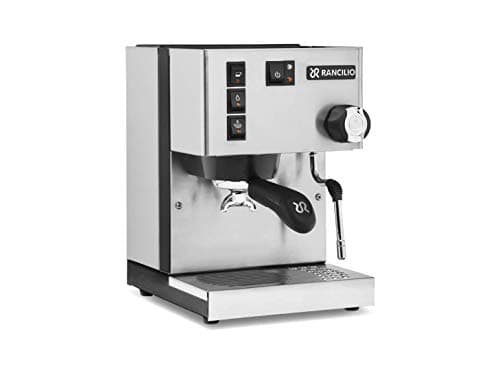
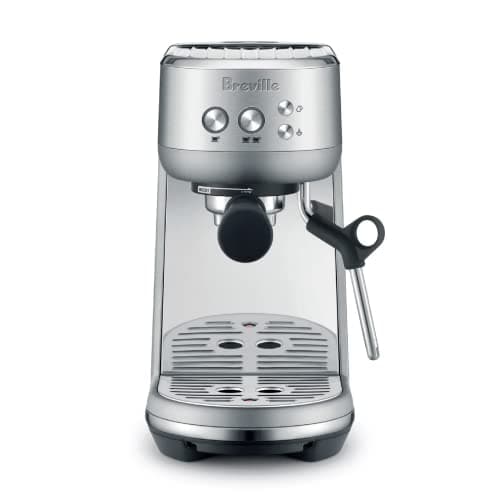
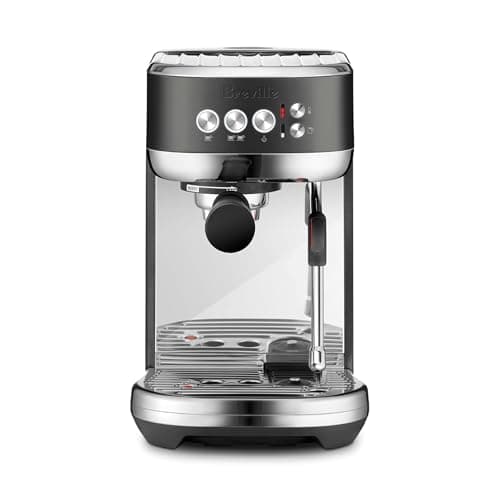
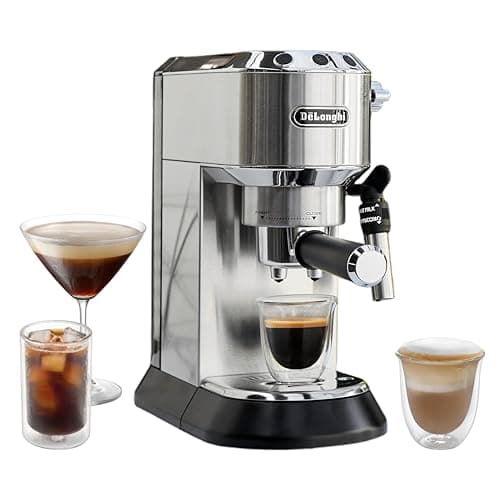
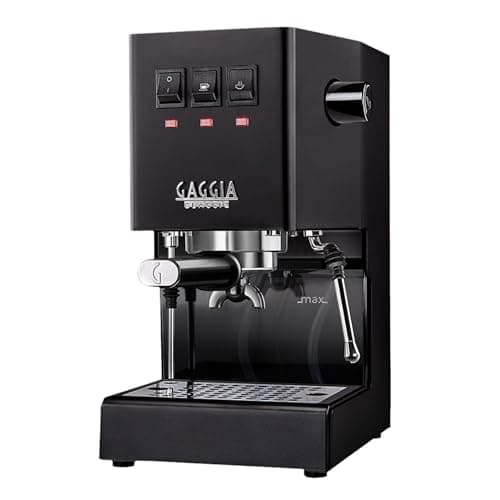
A single boiler is the most common and, for most people, the most sensible kind of home espresso machine — and understanding exactly what it is takes the mystery out of the whole category. It has one boiler that heats water for two different jobs: brewing, which happens at around brew temperature, and steaming milk, which needs a much higher temperature. Because one boiler cannot be at both temperatures at once, a single-boiler machine does them in sequence — you pull your shot first, then flip the machine to steam and wait a beat for the boiler to climb before you froth. That is the entire architecture, and it is capable of genuinely excellent espresso; the machines below range from a serviceable enthusiast platform to compact one-touch models, and every one of them can make a cup as good as most cafes when you feed it a proper grind.
So it is worth naming the one real limitation up front, because it is the only thing a single boiler asks you to accept: the wait between brewing and steaming. On a single boiler you cannot extract a shot and texture milk at the same instant — there is a short pause, usually well under a minute, while the boiler shifts from brew heat to steam heat. For one or two milk drinks in a row, that pause is a non-event; you tidy up, weigh your shot, and by the time you have the pitcher ready the machine is steaming. It only becomes a genuine friction point if you are making milk drinks back to back for a crowd, morning after morning — and that, precisely, is the moment to look at a dual boiler, which we explain in full in our single boiler vs double boiler guide. If you are not that person, a single boiler is very likely all the machine you need.
The other thing that decides your cup is not on this list at all: the grinder. Espresso is more sensitive to grind than to almost anything else, and none of these machines includes one, so a real burr grinder is the other half of every setup here — budget for it from the start, because it matters at least as much as the machine. Start with our best grinders for espressobefore you spend a cent on accessories. With that settled, this page ranks five single boilers you can actually buy today, from the moddable Gaggia and the benchmark Rancilio to the compact Breville Bambinos and the slim De'Longhi Dedica, each with honest cons and a clear line on who it is and is not for.
How we picked
Every machine here is a real, currently-purchasable single-boiler espresso machine you can buy in the US, and we ranked them for the buyer deciding on their first serious machine rather than against a prosumer dual boiler they may never own. Because a single boiler is a well-understood, homogeneous design, we ranked on five things, in this order.
- Shot quality.How good the espresso can actually be, weighted on the fundamentals — temperature stability, the group and basket, and whether the machine ships with real non-pressurized baskets that reward a good grind rather than masking it.
- Steam and milk. How well the wand textures milk, given every machine here has to wait a beat to switch from brewing to steaming. A commercial-style or automatic wand scored above a weak entry-level one.
- Build and serviceability. Materials, boiler and how long the machine will last. All-metal, serviceable machines you can open and repair scored above plastic-bodied ones built to be used rather than restored.
- Ease of use. How fast it heats, how simple the controls are, and how forgiving it is for someone still learning to dose, tamp and steam. Near-instant heat-up and automatic milk both count here.
- Value.Not the lowest sticker price, but what you get for it — a genuine upgrade path, serviceable parts, a small footprint or hands-free milk — versus what you actually need.
We did not lab-test these machines; we do not run a lab. The scores are editorial judgments built from published manufacturer specs and aggregated owner reports, exactly as our methodology pageexplains. Specifications come from the makers' own product pages, listed in Sources.
What a single boiler actually is
The name is literal: the machine has one boiler, and that single boiler has to do two jobs at two different temperatures. Brewing espresso happens at around brew temperature; steaming milk needs the boiler much hotter to make steam. Because one vessel cannot sit at both temperatures at once, a single-boiler machine handles them in sequence— it holds brew temperature for the shot, and when you switch it to steam, it heats the same water up to steam temperature. That is the whole design, and it has real advantages: single boilers are simpler, smaller, cheaper and easier to live with than dual boilers or heat exchangers, and every machine on this page can pull espresso as good as most cafes when it is fed a proper grind. The single boiler is not a compromised version of a better machine; for most home drinkers it is simply the right amount of machine.
The one real limitation: the wait between brewing and steaming
Here is the single honest drawback of the whole category, and it is worth understanding precisely because it is the only thing that separates these machines from the tier above. On a single boiler you cannot brew and steam at the same instant. You pull your shot at brew temperature, then flip the machine to steam and wait, usually well under a minute, for the boiler to climb to steam heat before you froth. For one or two milk drinks that pause is genuinely trivial — you weigh your shot, purge the wand, get the pitcher ready, and the machine is hot by the time you are. The near-instant ThermoJet Bambinos hide it almost completely, turning the switch into a quick purge. It only becomes a real friction point in one situation: making milk drinks back to back for several people, every morning, when the repeated wait adds up. That is the exact scenario a dual boilerexists to solve, because its second boiler steams while the first holds brew temperature — no waiting, ever. If that is not your morning, the wait is not a reason to spend more.
Who a single boiler suits — and when to step up to a dual boiler
A single boiler is the right machine for the large majority of home espresso drinkers: anyone making one to three drinks in a sitting, anyone learning the craft, anyone who wants serviceable hardware or the smallest possible footprint, and anyone who would rather put their money into a better grinder than a second boiler. You should only step up to a dual boiler when one of a few specific things is true: you regularly make milk drinks back to back and dislike the wait, you have chased temperature consistency far enough that the machine is your last variable, or you have simply decided espresso is a hobby you want prosumer hardware for. If none of those fits, a dual boiler is money that would do more good in your grinder. Our single boiler vs double boiler guide walks through the decision in full, and our best espresso machines under $1,000 covers the machines just above this list for anyone genuinely on the fence.
Pressurized vs non-pressurized baskets, and 54mm vs 58mm
Two hardware details separate these five machines more than any spec sheet suggests. The first is the basket. A non-pressurized (single-wall) basket demands a good, even grind and rewards it with real, cafe-quality extraction; a pressurized (dual-wall) basket fakes crema through a tiny exit hole so almost any grind looks respectable, but caps how good the shot can get. The Gaggia and Rancilio use non-pressurized 58mm baskets; the Bambinos ship with both kinds so you can start forgiving and graduate to single-wall; the Dedica is pressurized-only, which is a real part of why it sits lower here. The second detail is portafilter size. A genuine 58mm group (Gaggia, Rancilio) unlocks the full ecosystem of cafe-grade baskets, tampers and accessories; the 54mm Bambinos have a smaller but healthy ecosystem of their own; the 51mm Dedica is a non-standard size that limits upgrades. If you expect to keep improving, weight the 58mm machines; if a small footprint matters more, the 54mm Bambinos are the sweet spot.
The grinder matters as much as the machine
None of these machines includes a grinder, and that is the most important thing to plan for, because on a single boiler the grind decides whether your espresso is sweet and balanced or sour and gushing. A consistent, fine, espresso-capable grind is what lets water pass evenly through the puck; no machine on this page can fix coffee that was ground unevenly, and a pressurized basket only hides the problem rather than solving it. So the honest total cost of any machine here is the machine plus a real burr grinder, and if your budget is fixed you should buy a little less machine and put the difference into the grinder — a modest single boiler with a great grinder beats a nicer one starved by a cheap grinder, every time. Start with our best grinders for espresso, and read do you need a grinder for espresso for the full mechanism behind why the grinder wins.
Which machine fits you
- Want the best all-round single boiler you can keep and mod for years?Gaggia Classic Evo Pro — serviceable 58mm hardware and the biggest mod community in home espresso.
- Want the heaviest, most permanent-feeling build?Rancilio Silvia — commercial brass in a home body, the benchmark every single boiler is measured against.
- Fighting for counter space?Breville Bambino — near-instant heat-up and real single-wall baskets in a paperback-sized body.
- Want cafe milk drinks with no technique to learn?Breville Bambino Plus — the same shot as the Bambino, with an automatic wand that froths milk for you.
- Want the slimmest, cheapest way in?De'Longhi Dedica Deluxe — under six inches wide and low-risk, as long as you accept the pressurized baskets.
Whichever you choose, remember the order of operations that actually makes the coffee better: sort a real grinderand fresh beans first, learn to dial in, and any of these single boilers will reward you for years. And if you find yourself making milk drinks back to back and resenting the wait, that is not a fault in your machine — it is the signal to read our best dual boiler roundup and step up to the tier that steams and brews at once.