Skip to content
Portafilter Co

Machines · Espresso Machines

Gaggia Classic Evo Pro vs Breville Bambino Plus: which should you buy?

One is a metal, serviceable, endlessly moddable 58mm machine you learn on; the other is a paperback-sized modern machine that textures milk for you hands-free. Neither includes a grinder. Here is exactly who each one suits.

By Stephen V.Updated How we pick
#ad

We earn a commission when you buy through our Amazon links, at no extra cost to you. It never changes a verdict, and we say so when the cheaper product is the better buy. How this works.

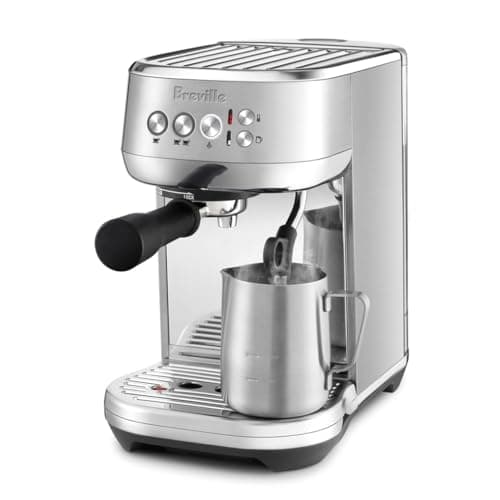
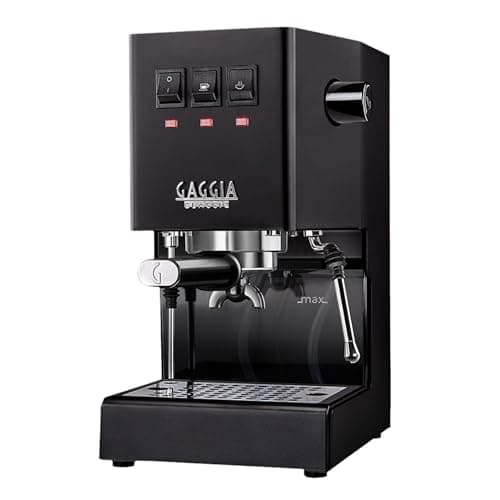
The Gaggia Classic Evo Pro and the Breville Bambino Plus sit at a similar price and get cross-shopped constantly, but they are aimed at almost opposite kinds of buyer. The Gaggia Classic Evo Prois the enthusiast's classic: a single-piece stainless body, a lead-free brass boiler and a genuine 58mm commercial portafilter, built to be opened, serviced and modified for years, with a manual steam wand you learn to texture milk with. The Bambino Plus is the friendly modern compact: about the width of a paperback, ready in seconds, with an automatic steam wand that froths milk for you hands-free. One rewards learning and tinkering; the other removes the learning. The single most important thing they share is easy to miss: neither comes with a grinder, so both are really half a setup until you add one from our best grinders for espresso.

Put simply, the Gaggia answers "I want to learn espresso as a craft and keep the machine for a decade," and the Bambino Plus answers "I want cafe-style milk drinks with no technique, in the smallest possible footprint." The Gaggia's 58mm commercial group opens the whole world of cafe-standard baskets, tampers and bottomless portafilters, and it has the biggest parts-and-mods community in home espresso — but it has no PID from the factory and its manual wand demands practice. The Bambino Plus hands you consistent microfoam and a three-second heat-up on day one, but it is a sealed appliance you do not service, and its 54mm system is a smaller accessory world. If you are brand new and still weighing the wider field, both turn up as first-machine options for very different kinds of buyer.

So the decision is refreshingly clear once you are honest about which kind of person you are. Do you want a machine that expects you to learn to dose, tamp and steam — and repays it with a platform you can upgrade forever? Or do you want the milk handled, the heat-up instant and the footprint tiny, and are happy to leave the machine sealed? Answer that and the winner picks itself. This page walks through the milk systems, the build and serviceability, the grinder you have to buy for either, and the long game, then tells you who each machine is for. For the deeper single-machine reads, see the Gaggia Classic Evo Pro review and the Bambino Plus review.

The short answer

Quick picks

#ProductBest forScorePrice
01
Gaggia Gaggia Classic Evo Pro
Gaggia Classic Evo Pro

The one to buy if you want to learn espresso and keep the machine for years. The Evo Pro gives you a genuine 58mm commercial portafilter, a lead-free brass boiler and a single-piece stainless body, backed by the largest parts-and-mods community in home espresso — a machine you service and upgrade rather than replace. Against the Bambino Plus, the case is craft and longevity: the 58mm group opens the whole accessory world and the metal build lasts, where the Bambino is a sealed appliance. The trade-offs are real and worth stating plainly: no PID from the factory (you temperature-surf or fit one), a manual two-hole steam wand that rewards practice rather than doing the milk for you, a single boiler that makes you wait between brewing and steaming, and — like the Bambino Plus — no grinder in the box. Accept those and it is the more rewarding machine to own. Want the milk done for you in a tiny footprint? Buy the Bambino Plus.

Best to learn on and grow into
7.7
$501.21Amazon
02
Breville Breville Bambino Plus (BES500)
Breville Bambino Plus (BES500)

The one to buy if you want cafe-style milk drinks with no technique, in the smallest possible footprint. The Bambino Plus is about the width of a paperback, heats in about three seconds with ThermoJet, and — the key point against the Gaggia — textures milk automatically, hands-free, to a temperature and foam level you set, so a beginner can pour a genuine microfoam latte almost immediately. Against the Classic it trades away craft and serviceability: it is a sealed modern appliance on a 54mm system, not a metal machine you open and mod, and you will not learn to steam by hand because it does it for you. The honest catch is shared with the Gaggia — it grinds nothing, so you must budget for a real burr grinder from the start. Buy it if convenience, milk automation and a tiny footprint matter more to you than learning the craft and keeping a platform for a decade.

Best for hands-free milk in a small kitchen
8.0
$499.95Amazon

#ad · Live prices from the Amazon Product API, as of Jul 30, 2026. Where we have no verified live price, we show none — a gap beats a number that has rotted.

In detail

The picks, in full

01
Gaggia Gaggia Classic Evo Pro

Best to learn on and grow into

Gaggia Classic Evo Pro

58mm commercial portafilterLead-free brass boiler, single-piece stainless bodyManual two-hole steam wand, no factory PID15-bar Ulka pump — no grinder included
7.7/10

The one to buy if you want to learn espresso and keep the machine for years. The Evo Pro gives you a genuine 58mm commercial portafilter, a lead-free brass boiler and a single-piece stainless body, backed by the largest parts-and-mods community in home espresso — a machine you service and upgrade rather than replace. Against the Bambino Plus, the case is craft and longevity: the 58mm group opens the whole accessory world and the metal build lasts, where the Bambino is a sealed appliance. The trade-offs are real and worth stating plainly: no PID from the factory (you temperature-surf or fit one), a manual two-hole steam wand that rewards practice rather than doing the milk for you, a single boiler that makes you wait between brewing and steaming, and — like the Bambino Plus — no grinder in the box. Accept those and it is the more rewarding machine to own. Want the milk done for you in a tiny footprint? Buy the Bambino Plus.

Espresso capability
9
Milk system
6
Ease of use
6
Build & serviceability
10
Footprint
6
Value
9

Pros

  • Genuine 58mm commercial portafilter opens the whole world of cafe-standard baskets, tampers and bottomless portafilters
  • Lead-free brass boiler and a single-piece 17-gauge stainless body built to be serviced, not binned
  • Biggest parts-and-mods community in home espresso — cheap spares, exploded diagrams, documented upgrades (PID, OPV)
  • A manual steam wand teaches real milk technique and latte art once you practice
  • Holds its value and usefulness for years — a platform you keep, not an appliance you replace

Cons

  • No PID from the factory — you temperature-surf by timing the heat light, or fit an aftermarket controller
  • Manual two-hole steam wand demands practice; it does not froth milk for you like the Bambino Plus
  • Single small boiler means a real wait between pulling a shot and steaming
  • Larger, heavier and deeper on the counter than the paperback-width Bambino Plus
  • No grinder in the box — the grinder matters as much as the machine, so budget separately

Don't buy this if…

you want the milk textured for you hands-free and the smallest possible footprint, or you have no interest in learning to dose, tamp and steam — that convenience is exactly what the Bambino Plus gives you, and the Gaggia will feel like homework instead of a hobby.

$501.21View on Amazon

Price as of Jul 30, 2026. Prices change — Amazon's at checkout is the one that counts.

#ad · we may earn a commission from this link to Gaggia Classic Evo Pro

02
Breville Breville Bambino Plus (BES500)

Best for hands-free milk in a small kitchen

Breville Bambino Plus (BES500)

ThermoJet ~3s heat-upAutomatic hands-free milk wand (temp + froth control)54mm portafilter, 15-bar pump, single-wall basketsProgrammable shot volumes — no grinder included
8.0/10

The one to buy if you want cafe-style milk drinks with no technique, in the smallest possible footprint. The Bambino Plus is about the width of a paperback, heats in about three seconds with ThermoJet, and — the key point against the Gaggia — textures milk automatically, hands-free, to a temperature and foam level you set, so a beginner can pour a genuine microfoam latte almost immediately. Against the Classic it trades away craft and serviceability: it is a sealed modern appliance on a 54mm system, not a metal machine you open and mod, and you will not learn to steam by hand because it does it for you. The honest catch is shared with the Gaggia — it grinds nothing, so you must budget for a real burr grinder from the start. Buy it if convenience, milk automation and a tiny footprint matter more to you than learning the craft and keeping a platform for a decade.

Espresso capability
8
Milk system
9
Ease of use
9
Build & serviceability
5
Footprint
9
Value
8

Pros

  • Automatic steam wand textures milk hands-free to a set temperature and foam level, with no technique to learn
  • Paperback-width footprint fits almost any counter — far smaller than the Gaggia
  • Near-instant ThermoJet heat-up, ready in about three seconds
  • Programmable shot volumes for repeatable, one-touch drinks
  • Very approachable for a first-time, milk-drink beginner straight out of the box

Cons

  • A sealed modern appliance — you do not service or mod it the way you can a Gaggia Classic
  • 54mm system is a smaller accessory world than the Gaggia's commercial 58mm
  • Automatic milk trades away the hands-on control and latte-art skill a manual wand teaches
  • Single boiler means a brief pause between pulling a shot and steaming
  • No grinder in the box — like the Gaggia, you must budget for a separate burr grinder

Don't buy this if…

you want to learn espresso as a craft, steam milk by hand for latte art, and own a machine you can open, service and upgrade for years — that is exactly what the Gaggia Classic Evo Pro is for, and the Bambino Plus does the interesting parts for you instead of teaching them.

$499.95View on Amazon

Price as of Jul 30, 2026. Prices change — Amazon's at checkout is the one that counts.

#ad · we may earn a commission from this link to Breville Bambino Plus (BES500)

Craft versus convenience: the real choice

Almost everything about this decision comes down to one question: do you want to learn espresso, or do you want it handed to you? The Gaggia Classic Evo Prois built for the first. It is a semi-automatic in the traditional sense — you dose, tamp, pull the shot and steam the milk yourself — and its whole design invites you to get better and to keep the machine as you do. The Bambino Plus is built for the second: it froths milk automatically, heats instantly, and asks almost nothing of you beyond loading a portafilter. Neither approach is wrong, but they suit different people, and buying the wrong one is the most common way to be unhappy. If dialing in grind, timing a shot and learning to texture milk sounds like a rewarding hobby, the Gaggia repays it. If it sounds like a chore you would rather skip, the Bambino Plus is honest about doing the work for you. Our do you need a grinder for espresso guide is a good gut-check on how involved you actually want to be before you spend a cent.

Milk: manual 58mm wand versus automatic hands-free

This is the clearest functional split. The Gaggia uses a manual, two-hole commercial-style steam wand: it gives you a jet of steam and asks you to angle the pitcher, introduce air and roll the milk into microfoam yourself. Done well, it lets you pour real latte art and fine-tune texture to the drink; getting there takes practice, a cold pitcher and patience. The Bambino Plus uses an automatic wand with a temperature probe: you set a temperature and a foam level, drop the wand in, press start, and the machine textures the milk and stops on its own. The honest trade is control versus consistency. The Bambino Plus hands a beginner better, more repeatable foam than they could make by hand on day one, with zero technique. The Gaggia hands you a skill you can keep improving and a ceiling the automatic wand cannot reach. If the milk ritual is part of the appeal, the Gaggia will take you further; if it is the part you dread, the Bambino Plus removes it. Our guide to steaming milk shows exactly what the Gaggia asks of you and the Bambino Plus does for you.

Neither includes a grinder — plan for it

Here is the point both machines' marketing underplays and that matters more than any single feature: neither comes with a grinder. Espresso is more sensitive to grind than to almost anything else, so on either machine the shot will only ever be as good as the coffee you grind for it. Pairing a Gaggia or a Bambino Plus with pre-ground supermarket coffee or a cheap blade grinder wastes most of what you paid. Budget for a real burr grinder from the start — it is not optional, it is the other half of the setup. There is one wrinkle worth knowing: the Gaggia's 58mm commercial portafilter and the Bambino Plus's 54mm both take standard espresso grinds, so the same grinder serves either machine, and it will outlive whichever one you buy and can move to your next. Start with our best grinders for espresso, and read do you need a grinder for espresso if you are tempted to skip this step — you should not.

Build, mods and the long game

The two machines age in completely different ways. The Gaggia is a single-piece 17-gauge stainless body over a lead-free brass boiler, designed to be opened and serviced: parts are cheap and widely stocked, exploded diagrams are everywhere, and a decades-deep community has documented every screw. The single most popular upgrade in home espresso is a bolt-on PID kit for exactly this machine, and a genuine 58mm group means better baskets, competition tampers and bottomless portafilters all just fit. It is a platform you keep and improve. The Bambino Plus is the opposite philosophy: a sealed, modern appliance you do not open, on Breville's well-supported but narrower 54mm system. That is not a criticism — it is why the Bambino is so small and so easy to live with — but it does mean you replace it rather than rebuild it, and there is no modding path. If you like the idea of a machine that grows with your skills for a decade, that is the Gaggia. If you want something that just works and stays out of the way, that is the Bambino Plus. The Gaggia's single boiler is the price of its simplicity, too: you wait between pulling a shot and steaming, where the Bambino's ThermoJet keeps things quick.

Which one fits you

  • Buy the Gaggia Classic Evo Pro if you want to learn espresso as a craft, steam milk by hand, and own a serviceable 58mm machine you can mod and keep for years. Pair it with a proper grinder and it is the more rewarding long-term setup.
  • Buy the Bambino Plus ifyou want cafe-style milk drinks with no technique, the smallest possible footprint and an instant heat-up, and you are happy to leave the machine sealed. It handles the milk so you do not have to — just budget for a grinder alongside it.
  • Consider a step up instead ifyou want the Gaggia's 58mm build with more thermal stability — the Rancilio Silviais the other classic single-boiler to weigh — or if you want the grinder built in, in which case an all-in-one is a different route entirely.

Whichever you choose, finish the setup properly: a real burr grinder, a basket-matched tamper (58mm for the Gaggia, 54mm for the Bambino) and fresh beans. A great machine fed stale coffee makes worse espresso than a modest one fed properly.

What we did not test

We have not run either machine on a bench for months, and we do not claim to. This comparison compiles Gaggia's and Breville's published specifications, cross-checks the component and materials claims against the makers and authorized-retailer documentation, and weighs aggregated owner reports — and, for the Gaggia, the long, well-documented modding record — against our scoring rubric. The 58mm portafilter, brass boiler and manual wand on the Gaggia, and the ThermoJet heat-up, automatic milk wand and 54mm brew system on the Bambino Plus, all come from the manufacturers' own materials, listed in Sources. Our scores are equal-weighted judgments across six axes, so the "better" overall depends on which axes you value: the Gaggia wins on espresso ceiling, build and value, the Bambino Plus on milk automation, ease of use and footprint. Where hands-on time would tell you more than a spec sheet — how forgiving the Gaggia's temperature-surf window feels day to day, how consistent the Bambino's automatic wand is across milk types — we say so rather than invent a number. We do not have a lab, and our methodology says exactly that.
How we picked

We did not lab-test this gear

Everyone in this category says they tested twenty machines. We have not pulled shots on every product here, and we say so. What we did instead: compiled the published specifications, cross-checked the manufacturer manuals, computed the running cost (wattage to energy, grams-per-shot to cost-per-cup), weighed aggregated owner reports, and scored each product against a published rubric. The scores are judgments from documented research — not measurements we took, because we do not have a test lab and we will not pretend we do. Where hands-on time would tell you more than a spec sheet, we flag it. Where a number came from someone else's work, we name them in Sources.

Questions

Frequently asked

What is the main difference between the Gaggia Classic Evo Pro and the Bambino Plus?
Craft versus convenience. The Gaggia Classic Evo Pro is a serviceable, moddable metal machine with a genuine 58mm commercial portafilter and a manual steam wand you learn to texture milk with. The Bambino Plus is a tiny, sealed modern machine on a 54mm system with an automatic hands-free milk wand and a near-instant heat-up. One rewards learning and lasts for years; the other removes the learning and stays out of the way. Read each in full in our Gaggia review and Bambino Plus review.
Does either the Gaggia Classic Evo Pro or the Bambino Plus come with a grinder?
No — neither includes a grinder. Both are brew-and-steam machines, so with either one you must budget for a separate burr grinder that can hold a fine espresso setting, because it matters more to the cup than any feature on the machine. The same grinder works for both, since the Gaggia's 58mm and the Bambino's 54mm both take standard espresso grinds. See our best grinders for espresso before you buy.
Which one steams milk more easily?
The Bambino Plus, by a wide margin, because it does it for you. Its automatic wand heats and froths milk hands-free to a temperature and foam level you set, so a beginner gets consistent microfoam with no technique. The Gaggia has a manual two-hole steam wand that gives you a jet of steam and asks you to texture the milk yourself — harder to learn, but it lets you pour real latte art and gives you finer control once you have practiced. Easy versus rewarding is the trade.
Is the Gaggia Classic Evo Pro better than the Bambino Plus?
It depends entirely on what you value. Judged on equal-weighted axes, the Gaggia wins on espresso ceiling, build and serviceability, and value; the Bambino Plus wins on milk automation, ease of use, and footprint. If you want to learn the craft and keep a machine you can service and mod for a decade, the Gaggia is the better buy. If you want hands-free milk, an instant heat-up and the smallest footprint, the Bambino Plus is. Both are strong first machines for different people, as our beginner roundup lays out.
Does the Gaggia Classic Evo Pro have a PID like the Bambino Plus?
No. The Gaggia ships without a PID, so out of the box you manage brew temperature by "temperature surfing" — watching the heat-ready light and pulling in the steady window after it cycles — or you fit an aftermarket PID kit, which is the single most popular Gaggia modification. The Bambino Plus uses Breville's ThermoJet system for fast, stable temperature with no surfing required. So the Bambino is more consistent out of the box; the Gaggia can be made just as precise, but only if you are willing to mod it. See the Gaggia review for how surfing actually works.

Keep reading

Receipts

Sources

We do not run a testing lab, and we do not pretend to. Where a measured number came from someone else's work, we name them and link them. Where we could not verify something, we say so on the page rather than quietly leaving it out. Read our full method.