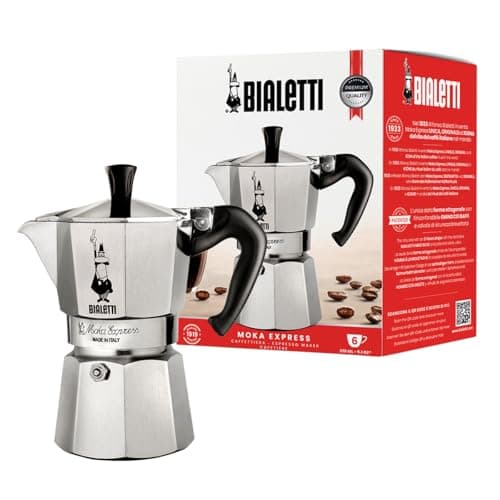
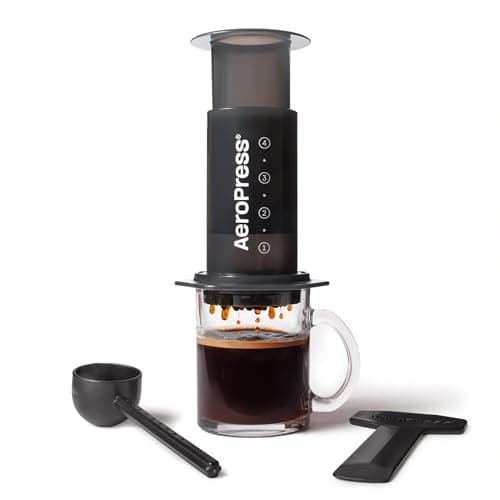
The AeroPress and the moka pot are two of the cheapest, smallest and most durable ways to make a serious cup of coffee at home — and they make almost opposite cups. An AeroPress is a paper-filtered brewer that steeps the grounds in water and then finishes with gentle hand pressure on a plunger, so it pours a clean, smooth, low-bitterness cup with almost no sediment. A moka pot sits on the stove and uses steam pressure to push water up through the grounds and a metal filter, so it makes a hot, strong, espresso-adjacent cup with real body. Neither is better — they are built for different mornings, and the right one comes down to the cup you want and how much fuss you will tolerate.
We are comparing the two default picks from our roundups — the AeroPress Original and the six-cup Bialetti Moka Express — because they are the cheapest, most-recommended way into each method. For the wider field, see the best AeroPress models and the best moka pots. And read this first if you take one thing away: both cups live and die on the grind, so a good burr grinder matters more than which brewer you pick. The AeroPress wants a forgiving medium grind; the moka pot wants a finer one and is much less forgiving if you get it wrong.
The head-to-head, point by point
Cup style:the two are almost opposites. The AeroPress's paper microfilter strains out oils and fines for a clean, smooth, low-bitterness cup; the moka pot's metal filter lets that body and oil through for a strong, syrupy, espresso-adjacent one. Strength and body:the moka pot wins outright — it is built to make a small, intense, concentrated cup, where the AeroPress reads brighter and lighter even when you brew it strong. Ease and forgiveness:the AeroPress wins by a wide margin — a medium grind and a loose recipe still make a good cup, while the moka pot needs the right grind, a level fill and careful heat, and it can turn bitter if you walk away from the stove. Cleanup:the AeroPress is faster — eject the puck and rinse — while the moka pot has to be taken apart, cooled and hand-washed. Travel:no contest — the AeroPress is light, near-indestructible and packs into a bag, while the moka pot stays on the stove. Cost: both are cheap, among the least expensive ways to make a genuinely good cup.
The cup each one makes
Both brewers get sold on an “espresso” comparison that neither quite meets, so it helps to be honest about what lands in the cup. The AeroPress makes a concentrated shot under gentle hand pressure but no crema; the moka pot builds only about one to two bars of steam pressure against a machine's nine, so it too makes a bold cup without true crema. What the moka pot does have is body and a near-espresso intensity that makes it a great base for a stovetop latte or Americano — its stronger, heavier cup cuts through milk the way a real shot does. The AeroPress plays a different game: its paper filter gives you the cleaner, more forgiving single cup of the two, which is why it travels so well and why it is so hard to brew a bad cup with it. If you drink your coffee black and want it clean and bright, the AeroPress is the more flattering brewer; if you want a strong cup or a milk drink, the moka pot has the body for it.
Grind, heat and cleanup — the fussy bits
The single biggest variable is the grind, and the two methods want different settings. The AeroPress is happy with a forgiving medium grind and adjusts easily — finer and slower for a stronger cup, coarser for a lighter one. The moka pot wants a finer grind, between drip and espresso, and is far less forgiving: too coarse and the cup is weak, too fine and it clogs and turns bitter. A cheap blade grinder undoes either brewer, so a burr grinder matters more than the choice between them — our best hand grinderspair perfectly with both. Heat is the moka pot's other catch: keep the flame moderate and pull the pot off the stove the moment it gurgles, or the coffee scorches — our how to use a moka potguide walks through it step by step. The AeroPress asks none of this: hot water, stir, press. On cleanup the AeroPress wins again — eject the puck and rinse, versus disassembling and hand-washing an aluminum pot that should never see a dishwasher. We did not lab-test either brewer; our methodology explains how we judge, from published specs and aggregated owner reports rather than a lab we do not have.
Which one is right for you
- Buy the AeroPress ifyou want a clean, smooth, forgiving single cup, you mostly brew for yourself, you value quick cleanup, or you travel. It is close to impossible to brew a bad cup with, and it packs into a bag — see the best AeroPress models.
- Buy the moka pot ifyou want a hot, strong, espresso-adjacent cup with real body, you like the idea of a stovetop latte or Americano, and you do not mind a fussier brew and hand-washing. It makes the boldest cup of the two for the least money — see the best moka pots.
Plenty of people own both and choose by mood: the AeroPress for a clean, quick weekday mug, the moka pot for a strong weekend cup or a stovetop latte. Whichever you pick, start with fresh, whole beans ground just before brewing — it matters more than the choice of brewer.
How we picked
We did not lab-test this gear
Everyone in this category says they tested twenty machines. We have not pulled shots on every product here, and we say so. What we did instead: compiled the published specifications, cross-checked the manufacturer manuals, computed the running cost (wattage to energy, grams-per-shot to cost-per-cup), weighed aggregated owner reports, and scored each product against a published rubric. The scores are judgments from documented research — not measurements we took, because we do not have a test lab and we will not pretend we do. Where hands-on time would tell you more than a spec sheet, we flag it. Where a number came from someone else's work, we name them in Sources.